How to Get Rid of a Boil Fast: A Complete Guide with Effective Home Treatments
To get rid of a boil fast, apply a warm compress to the affected area about four times a day for at least five minutes each time. This helps bring the boil to a head and encourages it to drain naturally, speeding up the healing process. Along with warm compresses, careful hygiene and natural remedies can support recovery without the need for harsh medications.
This information is for anyone dealing with boils who wants safe, effective home treatments and advice on preventing future outbreaks. You will learn what causes boils, how to treat them properly, when to seek medical care, and how to avoid common mistakes that slow healing or cause spread. Basic aftercare and lifestyle tips will also help you manage boils confidently and reduce their recurrence.
Key Takeaways
- Apply a warm, clean compress to the boil for 10 to 15 minutes, three to four times daily to speed healing safely.
- Boils form from bacterial infections causing a painful, pus-filled lump under the skin’s surface.
- Use natural remedies like crushed garlic boiled in water as a topical or oral treatment to support boil healing.
- Stop home treatment and see a doctor if the boil worsens or does not improve within one to two weeks.
- Keep the boil area clean and avoid squeezing it to prevent spreading infection and encourage proper healing.
- Avoid common mistakes like using cold compresses or bursting the boil prematurely to reduce complications.
How to Get Rid of a Boil Fast at Home Safely
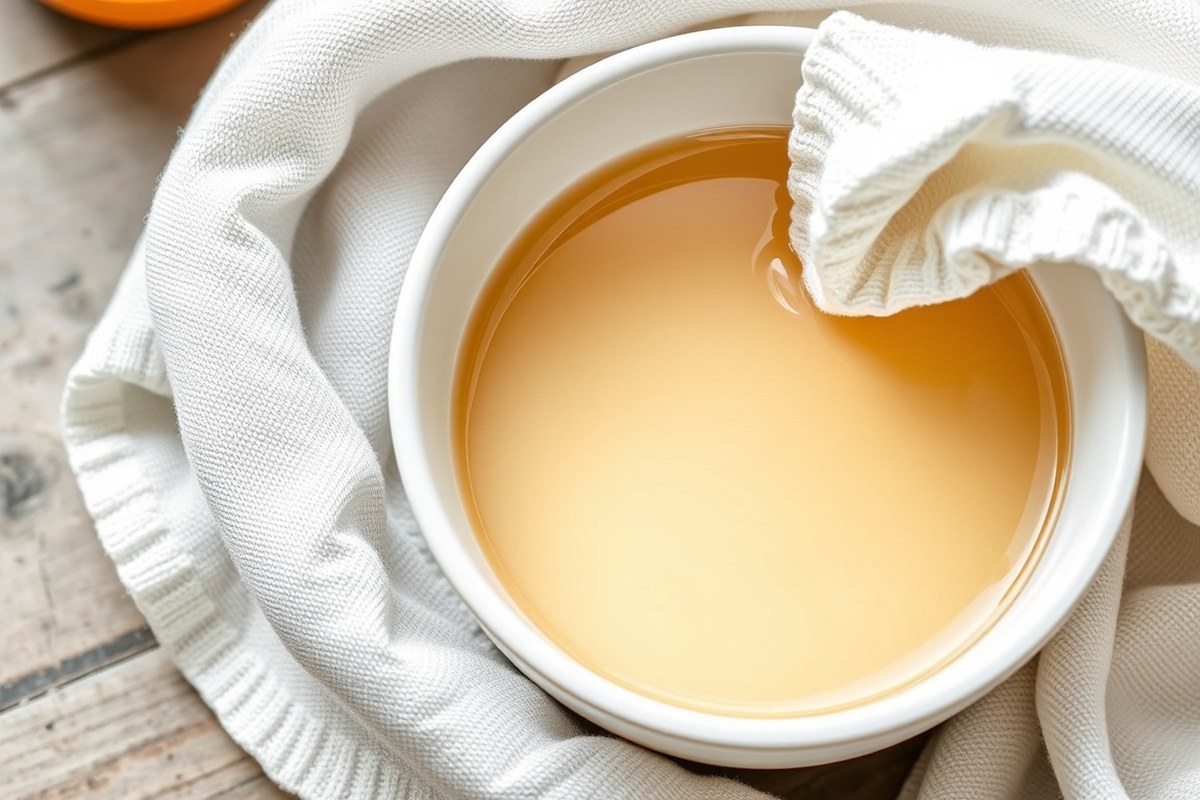
To get rid of a boil fast without antibiotics, your best approach involves consistent warm compresses and careful hygiene. Warm compresses help increase blood circulation, reduce pain, and encourage natural drainage, which speeds up healing by assisting your body in fighting the infection. Applying them correctly and regularly is key, and using simple supplies at home keeps the process safe. Avoid popping or squeezing the boil, as this can worsen the infection and delay healing. For effective home care, gather these essentials: a clean washcloth or towel, warm water, optional Epsom salts (about 1 to 2 tablespoons per cup of water), mild soap, and disposable gloves or clean hands for caring for the boil.
Applying warm compresses with just warm water is sufficient. Epsom salts can be dissolved in warm water to serve as a drying agent that may reduce pain and draw out toxins, but their effect is not medically guaranteed. Adding essential oils like tea tree oil is sometimes suggested because of their antibacterial properties, but these are not medically approved treatments and can irritate sensitive skin, so use caution or skip them. Here is a practical step-by-step routine to care for a boil at home:
- Prepare the warm compress: Soak a clean washcloth in warm water, ideally between 104°F to 110°F, adding about 1 to 2 tablespoons of Epsom salts per cup of water if desired. Wring out excess water so the cloth is damp but not dripping.
- Apply the compress: Place the warm, damp cloth directly over the boil for 20 to 30 minutes. Repeat this process at least three times daily, first thing in the morning, mid-afternoon, and before bedtime, to keep the area warm and promote drainage.
- Clean the area gently: After removing the compress, clean the skin gently with mild soap and water. Pat it dry with a clean towel to avoid irritation.
- Maintain hygiene: Always wash your hands before and after touching the boil or applying compresses. Avoid picking or squeezing the boil, which can spread infection and worsen pain.
- Cover the boil (if draining): If the boil opens and releases pus, cover it with a sterile bandage to catch drainage and keep the area clean. Change the bandage daily or whenever it becomes wet or dirty.
- Repeat the process daily: Continue warm compresses and cleaning each day until the boil drains fully and starts healing. Most boils break and drain within about two weeks on this regimen.
- Apply pain relief, if needed: Over-the-counter pain relievers like acetaminophen or ibuprofen can help reduce discomfort. Follow all label instructions and avoid applying any harsh ointments unless prescribed by a healthcare professional.
In some cases, smaller boils may heal with compresses applied for shorter times, about 10 to 15 minutes, three or four times daily. Larger or deeper boils usually require longer compress sessions to encourage natural drainage. Warm compresses will not make a boil disappear overnight; patience and daily care are essential. Stop home treatment and seek medical help if you notice spreading redness, fever, increased pain, or swelling, which may signal a more serious infection.
What Exactly Is a Boil and Why Does It Form?

A boil is a painful, pus-filled bump that forms under the skin when a hair follicle or oil gland becomes infected. It starts as a tender red lump and eventually fills with pus as your immune system fights the infection. The sore grows larger and more painful as the infection develops, sometimes lasting for days or weeks.
Definition and Characteristics of a Boil
A boil, also called a furuncle, is a localized skin infection involving a hair follicle and the surrounding tissue. It appears as a rounded, swollen nodule, typically red and tender at first. Over time, it fills with a thick, yellowish fluid known as pus, which contains white blood cells, bacteria, and dead tissue. Boils can reach sizes of up to 2 inches (5 centimeters) or more, especially if untreated. They commonly form on areas exposed to friction or sweat, such as the face, neck, armpits, thighs, and buttocks.
Unlike some skin irritations, boils are bacterial infections, most often caused by Staphylococcus aureus bacteria entering the skin through small breaks or hair follicles. The body’s immune response leads to pus accumulation and swelling.
Common Causes Behind Boil Formation
Boils form when bacteria infect hair follicles, glands, or minor skin injuries. These infections often begin when bacteria enter through cuts, insect bites, or clogged sweat glands. Poor hygiene, excessive sweating, tight clothing, and close contact with someone carrying the bacteria increase your risk.
Underlying health conditions that weaken the immune system, such as diabetes, can also make you more prone to boils. Repeated skin trauma or shaving can create entry points for bacteria. Also, sharing personal items like towels or razors with someone who has boils can spread the infection.
Symptoms Indicating a Developing Boil
The earliest sign of a boil is a red, tender bump that feels warm to the touch. You may notice mild itching or increased sensitivity in the affected area as the infection takes hold. Over the next few days, the bump grows in size, turns more painful, and develops a hard center.
As the infection progresses, the center of the boil softens and fills with pus, creating a white or yellow head. This pus contains accumulated bacteria and immune cells fighting the infection. Surrounding skin may remain red and swollen, and you might experience mild fever or swollen lymph nodes near the boil in more severe cases.
Stages of Boil Development
Boil formation typically follows a series of stages starting with blockage and infection of a hair follicle. The first stage involves inflammation, presenting as a red, tender bump. In the next stage, pus collects inside, causing the lump to enlarge and develop a white or yellow head.
This stage marks the boil when it becomes soft enough to rupture or drain naturally. If left untreated, the infection under the skin may expand, leading to more painful inflammation or the formation of a larger abscess. Proper care supports the immune system in clearing the infection before the boil bursts on its own, usually within 1 to 3 weeks.
Reasons for Boil-Related Pain
Pain occurs because the infection inflames the skin and surrounding tissue, causing swelling and pressure on nearby nerves. The accumulation of pus inside the boil stretches the skin, making the area feel throbbing or tender. This pressure increases as the boil enlarges.
Also, the immune system’s response releases chemicals that heighten sensitivity and pain perception in the infected region. Pain may intensify when applying pressure or moving limbs near the boil, especially if the boil is located in an area prone to rubbing or friction.
Watch for boils that don’t improve after 4 days or become extremely painful, as these may require medical treatment to prevent complications.
Natural Remedies to Speed Up Boil Healing Safely
Some natural remedies can help ease the discomfort and speed the healing of boils when used correctly. Turmeric and Japanese honeysuckle have shown potential benefits for skin infections, with turmeric powder applied topically being particularly noted for its antibacterial and anti-inflammatory effects. Essential oils like tea tree and eucalyptus are popular for their antiseptic properties but require careful use to avoid irritation.
Applying these remedies safely involves knowing how to prepare and use them, recognising possible side effects, and understanding what to expect. The table below compares common natural treatments for boils, including how to apply them, their benefits, and precautions.
| Remedy | What It Is | How to Use | Pros | Cons & Safety Notes |
|---|---|---|---|---|
| Turmeric | Yellow spice with antibacterial and anti-inflammatory properties | Mix turmeric powder with water or honey to form a paste; apply to boil 1-2 times daily; cover loosely with a bandage | May reduce inflammation and bacteria; inexpensive (under $5 per ounce) | Can stain skin and clothes; avoid if allergic to turmeric |
| Tea Tree Oil | Essential oil with antimicrobial and antifungal effects | Dilute 1-2 drops in a teaspoon of carrier oil; apply with a cotton swab to the skin surrounding the boil 3-5 times daily after the boil starts draining | Helps keep surrounding skin clean and reduce secondary infection | Can cause rare allergic reactions; avoid direct application on sealed boils; discontinue if irritation occurs |
| Eucalyptus Oil | Essential oil with antibacterial and anti-inflammatory qualities | Dilute similarly to tea tree oil; apply gently around the boil area 2-3 times daily | May soothe and reduce swelling | Skin irritation possible; not for direct use on open wounds |
| Garlic | Clove containing allicin, with antibacterial properties | Apply crushed fresh garlic directly on the boil for 5-10 minutes; rinse well and repeat once daily | Supports healing through natural antibacterials | Can cause skin burns or irritation; avoid leaving on skin longer than recommended |
| Japanese Honeysuckle | Herbal remedy traditionally used for various skin infections | Use an extract or cream containing honeysuckle as directed; typically applied 1-2 times daily | May help in reducing symptoms and promoting healing | Limited research; possible allergic reaction for some people |
| Bread Poultice | Softened bread used as a poultice | Soak bread in warm water; apply to the boil and cover for 1-2 hours daily | Simple, inexpensive home remedy to draw out infection | Not scientifically proven; risk of contamination if not clean |
Essential oils should never be applied directly to the skin without dilution, especially on sensitive or inflamed areas, to prevent irritation or allergic reactions. Garlic can be harsh and burn the skin if left too long. Testing any new treatment on a small skin area first can help spot allergies early.
Typically, applying these natural remedies carefully and consistently can reduce swelling, pain, and bacteria load in and around the boil. Watch for signs like increased redness, swelling, fever, or worsening pain, which indicate a need for professional care rather than home remedies alone.
How to Apply Warm Compresses Correctly for Best Results
For optimal healing with warm compresses on boils, place a clean, warm, moist cloth on the boil for 10 to 15 minutes, three to four times a day. This boosts blood circulation and aids in the boil forming a head more quickly, while avoiding harm to the skin. Keeping the compress at the right warmth, limiting how long you apply it, and avoiding harmful additives all help speed recovery and prevent burns or irritation.
Preparing the Compress Temperature Safely
Using the right temperature for your compress is essential. Too hot, and you risk burning your skin; too cool, and it won’t stimulate circulation enough to aid healing. Aim for water temperature around 100°F to 110°F (38°C to 43°C), warm enough to be comforting but not painful.
Test the temperature by dipping your wrist or the inside of your forearm into the water before using the compress. That skin is more sensitive and can help you judge if the temperature is safe. Always wring out the cloth to remove dripping water before applying it. A damp compress transfers heat effectively without soaking your clothes or bed linens.
Duration and Frequency for Maximum Effect
Applying the warm compress for 10 to 15 minutes per session allows the heat to penetrate deeply without drying the skin. Depending on how your skin feels, you can have up to four sessions daily spaced evenly to maximize blood flow and encourage the boil to drain naturally.
If you feel any discomfort, reduce the time or skip a session rather than overheating the skin. The goal is to soften the area steadily without causing additional irritation. For smaller boils, even 5 to 10 minutes may be enough, but longer sessions can be helpful for larger or more painful boils. Consistency throughout the day matters more than length per session beyond 15 minutes.
Additives: Epsom Salts and Essential Oils
Epsom salts can be added to your warm water if you want a gentle way to draw out infection and reduce inflammation. Dissolve about 1 to 2 tablespoons of Epsom salts into a basin of warm water and soak your cloth before applying it to the boil. This method is generally safe but avoid adding salts if your skin is broken or raw, as it can cause burning.
Essential oils like tea tree or lavender can be effective for their antibacterial properties, but they must be used cautiously. Add just 3 to 5 drops to your warm water and mix well before soaking the cloth. Never apply undiluted essential oils directly to the boil, as they may irritate or worsen the condition. People with sensitive skin or allergies should perform a patch test before using essential oils in compresses.
- Heat clean water to roughly 100°F to 110°F. Use a thermometer if available.
- Dissolve Epsom salts in the water if desired, or add 3 to 5 drops of essential oil, mixing well.
- Soak a clean, soft cloth or towel in the warm water, then wring out excess water.
- Test the cloth temperature on the inside of your wrist to avoid burns.
- Apply the warm, damp cloth over the boil and keep it in place for 10 to 15 minutes.
- Repeat the compress 3 to 4 times daily, allowing the skin to cool between sessions.
- Replace the cloth with a freshly soaked one each time to maintain heat and hygiene.
When to Stop Home Treatment and See a Doctor
Stop home treatment and see a doctor if the boil is large, painful, or not improving after one to two weeks of consistent care. Large boils, especially those that feel spongy or soft on the surface, often require professional drainage. This is critical to avoid deeper infection or complications. Also seek medical help if you notice a cluster of boils, known as carbuncles, which usually need targeted medical treatment and take longer to heal, often at least two weeks with a doctor’s care.
Watch for signs of a serious infection. When the boil becomes increasingly red, swollen, or painful, or when you develop fever, chills, or swollen lymph nodes nearby, you should not delay seeing a healthcare provider. These symptoms suggest the infection may have spread beyond the skin. When the boil leaks pus that worsens or does not wipe away cleanly, or the area around it turns an unusual color like deep red or purple, these are also warnings that professional care is necessary.
Boils on sensitive parts of the body such as the face near the eyes, genitals, or spine require a prompt doctor’s visit. These areas are more susceptible to complications, and treating boils at home there risks dangerous outcomes. Never try to burst or lance a boil yourself, as this can push the infection deeper or cause it to spread.
A simple rule to guide your decision: continue home treatment only if the boil is small, the pain is manageable, and there are no signs of spreading infection or systemic illness. When the boil grows larger, worsens, or fails to improve in 7 to 14 days, arrange to see a healthcare professional for evaluation. Doctors may need to prescribe antibiotics or perform a minor procedure to drain the boil safely.
Never attempt to squeeze or lance a boil at home, as this increases the risk of spreading infection and serious complications.
Using these guidelines can help you decide when to keep treating at home and when it’s time for medical care. Quick and proper response reduces the risk of the boil worsening, spreading, or causing other health issues. When in doubt, especially with boils on sensitive areas or if you have underlying health conditions like diabetes or a weakened immune system, consult a medical professional without delay.
Basic Boil Aftercare and Hygiene to Prevent Spread and Recurrence
Proper cleaning and care of the boil site during and after healing are key to preventing bacterial spread and future boil outbreaks. Always wash your hands thoroughly with soap and warm water before and after touching or treating the boil. Boils contain infectious pus, so this step greatly reduces the risk of spreading bacteria to other parts of your body or to other people through contact.
Keep the boil area clean by gently washing it once or twice daily with warm water and mild soap. Avoid harsh scrubbing that can irritate the skin and worsen inflammation. After washing, pat the area dry with a clean towel. Applying a clean, dry bandage loosely over the boil protects it from friction and helps contain any drainage, preventing bacteria from spreading. Change the bandage at least once daily or whenever it becomes wet or dirty.
It’s important not to pop or squeeze the boil as this can push bacteria deeper into the skin or bloodstream, increasing the chance of infection spreading or new boils forming. Instead, let the boil open and drain on its own. If your clothes or bedding come into contact with the boil, wash them in hot water (130°F or higher) to kill bacteria.
- Wash hands thoroughly before and after touching the boil.
- Gently clean the boil area daily with warm water and mild soap.
- Keep the site dry and cover it with a loose, clean bandage.
- Change bandages frequently or when wet or soiled.
- Do not squeeze or pop the boil.
- Wash clothing and bedding in hot water to prevent bacterial spread.
- Consider using an antibacterial wash like benzoyl peroxide 10% if prone to boils and skin tolerates it.
Following these care steps helps reduce inflammation and bacterial build-up, allowing the boil to heal faster without causing new infections. Patients with weakened immune systems or conditions like chemotherapy should be extra vigilant with hygiene and consult health professionals for additional advice. Preventing the spread of bacteria by strict hygiene can also reduce the risk of passing the infection to others through skin contact or shared items.
Common Mistakes in Boil Treatment and How to Avoid Them
Squeezing or lancing a boil yourself is unsafe and often makes the infection worse. The pus inside a boil is highly infectious and can spread bacteria to other areas of your skin or to other people through contact with shared towels, razors, or direct skin contact. Trying to drain a boil without proper sterilization raises the risk of spreading infection and can increase scarring.
Other common mistakes in home boil care include ignoring the boil’s hygiene, using harsh chemicals on the boil, and applying heat incorrectly. For instance, applying a warm compress at too high a temperature or for too long can irritate the skin and delay healing. Avoiding medical advice even when the boil worsens or spreads is also a critical error. Recognizing these mistakes helps you avoid prolonging the infection or causing permanent skin damage. To care for a boil safely and reduce scarring, follow these guidelines:
- Never squeeze, lance, or puncture the boil by yourself.
- Use a warm compress at about 105°F to 110°F for 15 to 20 minutes, three to four times a day.
- Keep the area clean and wash your hands thoroughly before and after touching the boil.
- Cover the boil with a sterile, breathable bandage if it begins to drain naturally to prevent spreading bacteria.
- Avoid sharing towels, bedding, and personal items until the boil heals completely.
- Do not apply strong disinfectants directly to the boil or use abrasive scrubs that can irritate the skin.
- If the boil grows larger, is extremely painful, or you experience fever, seek medical care promptly.
To minimize scarring once the boil starts healing, avoid picking at any scabs or crusts. Keeping the skin moisturized with a gentle, fragrance-free lotion can support skin regeneration. Protecting the area from sun exposure lessens darkening of the scar, so cover it or use sunscreen if you must be outdoors. Healing scars usually fade over weeks to months, but deep or repeatedly irritated boils are more likely to leave lasting marks.
How to Prevent Future Boils Through Lifestyle and Skin Care
Preventing boils from recurring often involves a combination of good skin care, balanced nutrition, and managing health issues that may increase your risk. Keeping your immune system strong and practicing consistent hygiene are the most effective ways to reduce boil recurrence. Recognizing your body’s signals and conditions also helps identify why boils develop and how to address their root causes effectively.
Daily Hygiene Habits to Lower Risk
Daily bathing is important for removing bacteria from your skin and can significantly decrease the chance of developing boils. Focus especially on cleansing areas prone to sweating or friction, such as underarms, groin, and thighs. Use a mild soap without strong fragrances or harsh chemicals to avoid irritating your skin, which could otherwise make it more vulnerable to infection. After shaving or waxing, clean the skin carefully and apply a gentle moisturizer to prevent tiny cuts or irritations that bacteria can exploit.
Wearing clean clothes each day and avoiding tight-fitting fabrics that trap sweat and bacteria also helps. Maintaining these hygiene routines for several weeks after healing or longer, as advised by your healthcare provider, supports recovery. This ongoing care reduces bacterial buildup and encourages quicker healing from current infections while lowering the risk of new ones.
Bathing daily with gentle soap and keeping skin dry can help stop bacteria from settling and forming boils.
Diet’s Role in Skin Health and Immunity
Your diet affects both your immune system and how well your skin defends itself against infection. Eating a balanced diet rich in vitamins and minerals supports immune function and promotes skin healing. Focus on consuming plenty of fresh fruits and vegetables, lean proteins, and whole grains. Reducing sugar and processed foods lowers inflammation and decreases the chances of skin infections like boils.
Supplements may support your immune system if your diet lacks certain nutrients. Vitamin C, zinc, and vitamin D contribute to skin repair and immune response. Staying well hydrated flushes toxins and helps keep your skin healthy. Avoiding alcohol and smoking also benefits your skin’s ability to fight bacterial infections by improving circulation and immune health.
Recognizing Underlying Health Issues
Certain medical conditions can increase the risk of boils by weakening your immune system or causing skin problems. Diabetes, anemia, eczema, and other immune deficiencies make fighting infections more difficult, leading to more frequent boil outbreaks. Informing your healthcare provider about these conditions allows them to help manage your risk.
A doctor may check whether you or someone close to you carries staph bacteria on the skin, a common cause of boils. Persistent boils suggest the need for a medical evaluation to determine if underlying health concerns or resistant bacterial strains are involved. Managing chronic conditions and following medical advice carefully can help prevent boils from recurring over time.
Let your doctor know if you have diabetes or immune system issues, as these can increase boil risk and require tailored prevention strategies.
Step-by-Step Action Plan for Treating a Boil at Home
Follow this plan to reduce pain, speed healing, and avoid complications safely. Track your progress and know when to seek medical help.
- Before you start: Clean the area gently with mild soap and water, then wash your hands thoroughly to prevent spreading infection.
- Day 1 to Day 3: Apply a warm compress for 15 to 20 minutes, 3 to 4 times daily. You should notice reduced pain and the boil softening as it nears forming a head.
- During treatment: Avoid squeezing or popping the boil. When the boil begins to drain naturally, keep it covered with a clean bandage and change dressings daily. Look for clear or yellowish pus as a sign of natural drainage.
- Day 4 to Day 7: Use natural remedies like turmeric paste or tea tree oil carefully once daily to help reduce inflammation and support healing. Stop if irritation occurs.
- Throughout treatment: Maintain proper hygiene by washing the area and hands regularly and avoid sharing towels or clothing. This helps prevent spreading or new boils.
- After 1 week: Assess healing. The boil should shrink, pain should lessen, and skin should begin to return to normal. When swelling, redness, or pain worsen, or a fever develops, contact a healthcare professional promptly.
- Post-healing: Keep the area clean and moisturized to prevent skin damage. Consider lifestyle changes like boosting immunity, managing stress, and wearing breathable clothing to reduce future boils.
Frequently Asked Questions
Can Applying Ice Instead of Heat Help Reduce a Boil Faster?
Applying ice is not recommended for boils since heat encourages drainage and healing, while cold may slow blood flow and delay recovery. Using warm compresses remains the preferred method for faster boil relief.
Is It Safe to Use Over-The-Counter Antibiotic Ointments on a Boil?
Over-the-counter antibiotic ointments may help prevent secondary infections but typically don’t speed up boil healing. Use them on intact skin around the boil and follow label instructions carefully.
How Long Should a Boil Be Left Alone Before Trying to Drain It?
You should never attempt to drain a boil until it forms a white or yellow tip and is very tender. Premature squeezing or popping can spread infection and worsen symptoms.
Can Dietary Changes Help Speed Up Healing of a Boil?
A healthy, balanced diet supports immune function which may aid boil healing. Including vitamin C and zinc-rich foods can be beneficial but won’t replace proper topical care and hygiene.
Does Stress Affect How Quickly a Boil Heals?
Yes, high stress levels can weaken your immune system and delay boil recovery. Managing stress through relaxation techniques may improve overall healing time.
Can Taking a Hot Bath Help Clear a Boil Faster?
A hot bath can help by loosening skin and promoting drainage when combined with warm compresses. Avoid soaking the boil too long to minimize skin irritation.
Key Points to Remember
Getting rid of a boil fast depends on careful care like applying warm compresses and maintaining good hygiene to support healing. You can start today by setting reminders to apply a warm compress to your boil for 15 to 20 minutes, three to four times a day. This helps increase blood flow and promotes natural drainage, speeding up recovery while reducing discomfort safely.