What Does Pest Control Do in Apartments? A Complete Guide for Residents and Managers
Pest control in apartments involves identifying, treating, and preventing infestations of common pests like cockroaches, rodents, ants, and bed bugs. Technicians use targeted methods and products to eliminate pests while minimizing risk to residents and property. The process also includes inspecting the apartment and advising on preparation steps to make treatments more effective.
This information is designed for apartment residents, property managers, landlords, and renters. You’ll find clear explanations of pest control responsibilities, treatment expectations, scheduling, and prevention practices to keep your apartment pest-free without unnecessary hassle or expense.
Key Takeaways
- Pest control treatments in apartments target common pests like cockroaches, ants, rodents, and bed bugs using safe, approved methods suited for shared living spaces.
- Usually, landlords or property managers arrange pest control, but tenants must cooperate by prepping apartments for effective results.
- Preparing involves cleaning, removing clutter, and securing food to help pest control professionals access infested areas thoroughly.
- During treatment, expect limited apartment access; after, follow specific ventilation and cleaning guidelines to ensure safety and effectiveness.
- Regular pest control is often scheduled quarterly or biannually, depending on pest severity and apartment complex policies.
- Prevent future infestations by maintaining cleanliness, sealing entry points, and reporting pest issues promptly for follow-up treatments if needed.
What Exactly Does Pest Control Do in Apartments?

Pest control in apartments involves a range of services designed to identify, manage, and prevent infestations of common pests such as cockroaches, ants, rodents, and bed bugs. Its primary goal is to protect the health and safety of residents by eliminating pests that can cause damage or transmit disease. This service typically includes inspection, treatment, and follow-up visits tailored to the specific pest problem and apartment layout.
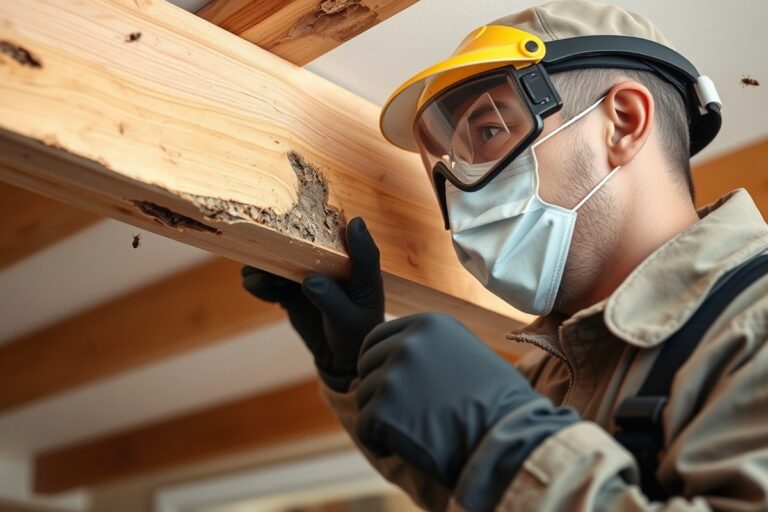
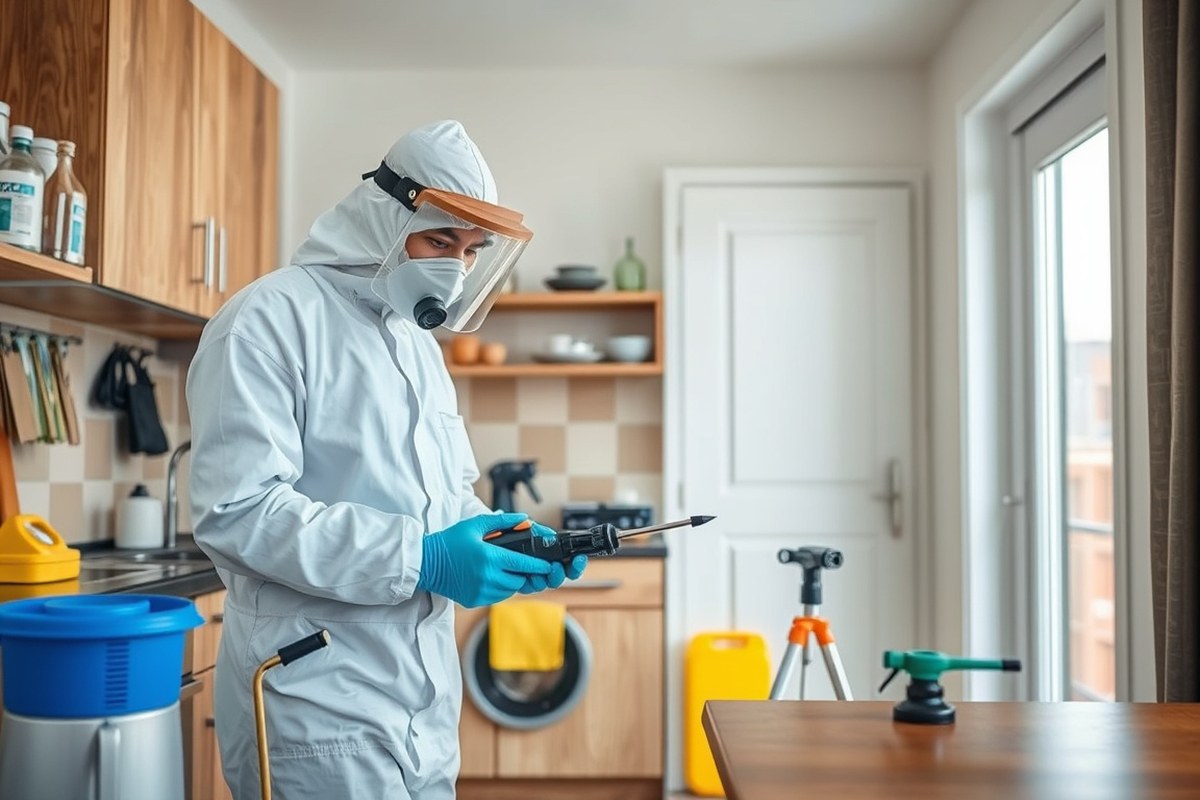
During an apartment treatment, a pest control technician begins with a thorough inspection of the unit to identify signs of pest activity, entry points, and conditions that attract pests, such as food residue or standing water. The technician then selects appropriate treatment methods, which might involve applying insecticides or rodenticides, using baits, traps, or physical barriers. These treatments target both visible pests and their hiding spots to reduce populations rapidly.
The technician will also provide advice on correcting conditions that encourage pests, like sealing cracks, cleaning clutter, and proper food storage. In apartments where pests move easily between units, a coordinated treatment plan with neighbors or management may be necessary to ensure long-term success. The entire treatment generally takes between 30 minutes to an hour, depending on the apartment’s size, pest type, and severity of the infestation.
Some pest control services use integrated pest management (IPM), which focuses on combining different strategies to control pests with minimal impact on people and the environment. This can include monitoring pest activity, using non-chemical controls, and applying targeted pesticides only where needed. The technician documents the treatment details, including areas treated, products used, expected outcomes, and safety precautions for residents.
Effectiveness depends on residents following any preparation instructions such as cleaning kitchens or temporarily vacating the apartment if required. Repeat treatments or follow-ups might be scheduled to address any remaining pests or prevent reinfestation. Mistakes in treatment, such as missing pest harborages or lack of cooperation from neighbors, can lead to continued pest problems. Proper pest control in apartments is a combination of professional service, resident cooperation, and ongoing maintenance to keep living spaces pest-free.
Common Pests in Apartments and How They Are Treated

Apartment buildings commonly face infestations from pests such as cockroaches, bed bugs, rodents, ants, and silverfish. Each pest requires specific treatment approaches and timelines, depending on the infestation’s severity and the pest’s biology. Treatment effectiveness depends on using the right products and following appropriate protocols to protect residents without disrupting apartment life.
Professional pest control in apartments typically employs insecticides, baits, traps, heat treatment, and exclusion techniques. Cockroaches often need gel baits and residual sprays, while bed bugs require heat treatment or chemical applications repeated over multiple visits. Rodent control relies on traps and bait stations with follow-ups until no activity is detected. Ants and silverfish treatments often combine sprays and baits, but silverfish can be harder to eliminate due to their hidden habits. The following table summarizes common pests, standard treatments, and estimated timelines for noticeable results in apartments:
| Pest | Treatment Methods | Typical Timeline |
|---|---|---|
| Cockroaches | Gel baits, residual sprays, sanitation | 1, 3 weeks with multiple visits |
| Bed Bugs | Heat treatment, chemical sprays, mattress encasements | 2, 4 weeks, requires several treatments |
| Rodents (mice, rats) | Traps, bait stations, sealing entry points | 1, 2 weeks to eliminate activity |
| Ants | Baits, residual sprays, exclusion | 1, 2 weeks, depending on colony size |
| Silverfish | Residual sprays, dehumidification | Several weeks, often ongoing control |
Good pest control in apartments depends on sealing cracks, proper sanitation, and professional follow-ups to maintain results. Treatments often require tenant cooperation, such as laundering bedding for bed bugs or removing food sources for cockroach management. Expect several visits for complete elimination, especially for hidden pests like bed bugs.
Always follow pest control labels and apartment management instructions carefully, and avoid using over-the-counter pesticides without consultation to prevent worsening infestations or harming residents.
Who Is Responsible for Pest Control in Apartments?
Responsibility for pest control in apartments usually falls primarily on the landlord, but tenants also have duties to help prevent infestations. Legal obligations vary by jurisdiction, but most laws require landlords to provide habitable living conditions, which includes pest management. Tenants must notify landlords promptly and keep the unit reasonably clean to avoid attracting pests.
Landlord’s Pest Control Duties
Landlords are generally responsible for pest control treatments in common areas and inside rental units when infestations occur. This responsibility stems from their obligation to maintain a safe, habitable environment under landlord-tenant laws. Landlords must arrange treatment by a licensed pest control professional, cover the associated costs, and schedule services at reasonable times. Routine inspections or preventative treatments may also be part of their duties to avoid future infestations.
This responsibility persists even when tenants’ activities contribute to the problem, unless tenant negligence clearly caused it. Landlords must act promptly after receiving a pest complaint to prevent the issue from worsening. Failure to address infestations can lead to legal claims or rent deductions due to uninhabitable conditions.
Tenant Responsibilities for Pest Prevention
Tenants play a key role in preventing pest problems by maintaining cleanliness and proper waste disposal within their units. Promptly reporting pests to the landlord or property manager allows for timely treatment. Tenants should follow any preparation instructions provided before pest control visits, such as removing food or covering dishes.
When tenants knowingly cause pest infestation through unsanitary habits, such as leaving out garbage or cluttering the apartment, they may bear responsibility for remediation costs. Cooperation with treatments, like allowing access and following post-treatment guidelines, helps ensure effective pest control results.
Legal Framework Governing Pest Management
State and local laws often require landlords to ensure rental units are free from infestations of rodents, insects, and other pests that threaten health or safety. These laws typically classify pest control as part of the landlord’s duty to provide habitable housing. Some jurisdictions have specific regulations outlining timelines for addressing pest issues and the quality of treatments used.
Tenants have a legal right to live in a pest-free environment and should promptly notify landlords about any pest issues. Ignoring infestations or failing to notify can affect tenants’ rights and remedies under the lease. Lease agreements sometimes include clauses about pest control responsibilities, but these cannot override fundamental landlord obligations.
Communication Between Landlord and Tenant
Clear communication is essential to managing pests effectively in an apartment. Tenants should notify landlords in writing as soon as they notice pests, documenting the issue with dates and descriptions. A simple message could be: “Dear [Landlord/Manager], I have noticed signs of [pests] in my apartment at [address]. Please advise on the next steps for pest control. Thank you.” This creates a written record and prompts action.
Landlords should respond promptly with details on the planned treatment schedule and tenant preparation instructions. Providing tenants with contact information for the pest control company and follow-up procedures fosters cooperation and helps avoid delays or misunderstandings.
Handling Pest Issues During Tenancy
When pests appear during a tenancy, tenants should first report the problem to the landlord or property manager as outlined in the lease. Documenting communications is helpful in case disputes arise. The landlord must then arrange pest control services without undue delay.
Tenants should allow access for treatments and adhere to any prep or post-treatment guidelines. In cases where the landlord fails to act, tenants may have legal options such as contacting local housing authorities or seeking rent reductions, but it’s best to attempt resolution through communication first. Professional pest control treatments are more effective when both parties fulfill their roles properly.
How to Prepare Your Apartment Before Pest Control Treatment
You generally do not need to leave your apartment during pest control treatment, but careful preparation is essential for safety and effectiveness. Following a clear checklist can help avoid common mistakes like leaving clutter near treatment areas or not securing food properly.
Cleaning and Decluttering Guidelines
Before pest control professionals arrive, thoroughly clean and declutter your apartment, especially areas where treatment will occur. Dust, dirt, and clutter can prevent pesticides from reaching pest hiding spots, reducing treatment effectiveness. Focus on kitchens, bathrooms, and any corners or baseboards.
Remove items such as piles of newspapers, stacks of clothes, or cardboard boxes, especially near walls and under furniture where pests might hide. Vacuuming floors and wiping counters makes chemical treatments more effective and helps identify pest activity for the technician.
Food and Pet Safety Preparations
Protect your food and pets by securing or removing them from treatment areas before pest control begins. Store all food items in tightly sealed containers or remove them from the apartment temporarily. Open or exposed food can contaminate and spoil, posing health risks.
For pets, remove fish tanks or cover them completely, relocate birds and small animals to another room, and ensure your cats and dogs are out of the treated spaces. Cleaning pet food bowls and storing pet food safely also reduces the risk of contamination, and pet waste should be cleaned before treatment.
Vacating and Securing the Apartment
Following a few specific steps for vacating and securing your apartment improves worker safety and treatment success. Although you typically don’t need to leave the building, some treatments might require you to stay out of the apartment for 2, 4 hours or longer, depending on the pesticide used.
Ensure windows and doors are accessible for pest control professionals, remove toys and personal items from floors, and temporarily pull back curtains or move furniture to allow better access to walls and baseboards. Plan to ventilate your unit after treatment according to technician instructions.
- Clean floors, countertops, and sinks thoroughly to remove food residue and pest attractants.
- Declutter areas near walls, especially under sinks, behind appliances, and around baseboards.
- Store all food in sealed containers or remove them from your apartment.
- Remove or cover pet food, water bowls, and relocate pets from treatment spaces.
- Clear pathways by moving furniture and personal items away from walls and floors.
- Make sure windows and doors are unlocked and accessible for pest control technicians.
- Follow any instructions for vacating during or shortly after treatment, usually 2 to 4 hours as advised.
- Plan to air out your apartment by opening windows after treatment if recommended by the technician.
What to Expect During and After Pest Control in Apartments
Pest control treatments in apartments usually begin with a thorough inspection by the technician to identify pest types and infestation levels. They apply targeted treatments such as sprays, baits, or dusts in affected areas and potential hiding spots like cracks, baseboards, and kitchen cabinets. This targeted approach helps minimize pesticide use while maximizing effectiveness. Treatments typically take 30 minutes to an hour per unit depending on the extent of infestation.
Residents often need to leave the apartment during and for a short time after treatment. Most services advise staying out for at least 2 to 4 hours to allow chemicals to settle and dry. Some treatments may require longer re-entry times, so it’s important to follow the specific guidance provided by the pest control company. Ventilating the apartment by opening windows after you return can help reduce any lingering odors or residues.
After pest control, residents should avoid cleaning or wiping treated areas for at least a week, as this allows pesticides to remain effective against pests. Reporting any new or recurring pest activity to property management or the pest control service ensures timely follow-ups. Keeping the apartment clean and free of food debris supports the treatment by limiting pests’ food sources and hiding places. If multiple treatments are scheduled, residents should follow preparation and re-entry instructions each time.
Some treatments include follow-up visits within 1 to 2 weeks to monitor pest activity and retreat if needed. These appointments help achieve long-term control by targeting lingering pests or those hatching from eggs after the initial treatment. Cooperation between residents and property managers during this period improves overall success.
Always follow the specific re-entry time advised by your pest control provider and avoid disturbing treated surfaces to maximize treatment effectiveness and safety.
How Often Should Pest Control Be Done and How Is It Scheduled in Apartments?
Pest control in apartments should generally be performed every three to six months, depending on the type of pest problem, local climate, and building conditions. Regular treatments prevent pests from establishing and spreading within units and common areas. In buildings with a history of infestations or heavy pest activity, quarterly visits may be necessary. For newer buildings or those with no prior issues, a biannual schedule is often sufficient. Scheduling pest control more frequently can increase costs and inconvenience without necessarily improving effectiveness.
In multi-unit apartments, coordinating pest control treatments across multiple units at the same time is important to prevent pests from moving between units. Pest control professionals typically require all or most tenants in a building or designated section to prepare for treatment on the same day. This approach minimizes pest migration, which often occurs when only some units receive treatment. Property managers usually notify residents at least one to two weeks in advance, providing instructions on preparation and treatment times.
During scheduling, pest control companies work closely with building managers to create a timeline that balances tenant availability and operational needs. Treatments often take place during weekdays when residents are most accessible. For buildings with many units, scheduling is divided into phases, such as treating floors or sections sequentially over several days. This phased method requires clear communication to avoid gaps that might allow pests to escape treatment areas.
Handling pest spread between units means treating both individual apartments and common areas like hallways, trash rooms, and laundry facilities. Pest control services use inspections to identify hotspots and apply targeted treatments in these shared spaces. This dual approach is essential because pests often exploit structural gaps and pipes to move unseen between apartments. Without treating common spaces, efforts inside individual units may not control the problem.
Effective coordination includes a script property managers can use to inform tenants: “Our pest control service is scheduled for [date]. All residents must prepare their apartments by [preparation date] as per the instructions. Treatments will occur between [time range]. Coordinated treatment reduces pest movement and improves results for everyone.” This clear communication helps ensure compliance, which is essential for successful pest management.
Costs depend on the number of units and treatment frequency. Regular, coordinated treatments are usually more cost-effective over time than one-off interventions driven by severe infestations. Problems can arise if some residents do not prepare or allow treatment access, leading to reinfestation and requiring follow-ups. Property managers should enforce policies that facilitate resident cooperation to maintain pest-free environments.
Preventing Pest Problems and Dealing with Treatment Failures
Pest control in apartments aims to reduce and manage infestations rather than always eliminate pests completely. You must follow prevention steps to keep pests from coming back after treatment. Quick re-infestations or treatment failures require timely action and communication with your pest control provider or landlord. Some apartments also use integrated pest management (IPM) or eco-friendly options that minimize chemical use and focus on long-term pest control.
Apartment Pest Prevention Best Practices
Preventing pests starts with keeping your apartment clean and reducing entry points. Pests often return when food sources, water, or hiding spots remain available after treatment. Proper prevention lowers the need for repeated treatments and limits pest movement between units.
- Seal cracks and gaps around doors, windows, and plumbing with caulk or weather stripping
- Store food in airtight containers and clean up crumbs or spills immediately
- Empty garbage regularly and use trash cans with tight-fitting lids
- Fix leaking pipes or faucets to eliminate water sources
- Avoid clutter that provides hiding places for pests
- Ventilate damp areas to reduce humidity
- Report pest sightings promptly to management or pest control services
Regularly inspect common problem areas like kitchen cabinets, behind appliances, and under sinks to detect early signs of pests.
Recognizing Signs of Treatment Success or Failure
Good results often mean a noticeable reduction or complete disappearance of pests within a few days or weeks after treatment. Success also includes fewer pest sightings over time and no new signs like droppings or damage.
Persistent or returning pests may indicate treatment failure caused by missed hiding spots, reinfestation from neighboring units, or improper tenant practices like leaving food out. If pests return quickly, document your observations and contact your pest control provider or landlord immediately. They might need to re-treat or switch treatment methods and check adjoining apartments.
Keep in mind that some pests require multiple visits to fully control. However, repeated failures after professional efforts usually mean there is a pest harboring source still untreated or tenant behaviors need adjustment.
Eco-Friendly and IPM Options for Apartments
Integrated pest management (IPM) combines non-chemical methods with targeted treatments to manage pest populations while minimizing risks. Many apartment complexes offer IPM as a sustainable approach that emphasizes prevention and occupant education.
Eco-friendly treatments use less toxic products, baits, traps, or mechanical controls as the first line of defense. These options reduce chemical exposure to residents and pets but may require more frequent monitoring and follow-up.
Discuss IPM or green pest control choices with your property manager or pest control company. These approaches often involve cost-sharing since they require ongoing cooperation from tenants for sanitation and reporting to be effective.
Costs, Payments, and When to Call for Pest Control in Apartments
Costs for pest control in apartments vary widely depending on factors like the type of pest, severity of the infestation, treatment method, and the size of the apartment. Usually, landlords or property management handle payments since they are responsible for maintaining a pest-free environment. Residents should check lease agreements or local tenant laws to confirm who pays. Calling pest control quickly after spotting pests helps prevent infestations from worsening, which can reduce costs and treatment complexity.
| Cost Factor | Impact on Cost | Who Usually Pays |
|---|---|---|
| Pest Type | Treatment for bed bugs or termites can be more expensive than ants or cockroaches. | Landlord or Property Management |
| Extent of Infestation | Larger or more widespread infestations require more treatments and higher costs. | Landlord or Property Management |
| Treatment Method | Heat treatments and fumigation cost more than sprays or bait traps. | Landlord or Property Management |
| Apartment Size and Accessibility | Larger apartments or units with difficult access can increase labor and treatment time. | Landlord or Property Management |
| Resident-Initiated Requests | If residents request additional services not related to common pest problems, they may bear costs. | Resident (if approved by landlord) |
Residents typically cannot arrange pest control services independently without approval from their property manager or landlord. This ensures the treatment plan is coordinated building-wide, which helps prevent pest migration between units and ensures legal and safety standards are followed. Promptly contacting your property manager as soon as you notice pests is critical. Waiting too long can allow pests to spread and make treatment more difficult and costly. A good rule of thumb is to notify management within 24 to 48 hours of spotting pests.
Contact your property manager immediately after noticing any signs of pests to ensure fast and effective treatment while avoiding higher costs.
Step-by-Step Action Plan for Pest Control in Your Apartment
Follow these steps to prepare for, understand, and respond to pest control services effectively in your apartment.
- Before Treatment: Clean and declutter your apartment, focusing on kitchens and bathrooms. Remove food debris and secure pet food to help the treatment reach pests and to prevent reinfestation.
- Treatment Day: Allow the pest control professional to access all requested areas, including behind appliances and cabinets. Notice that technicians apply targeted treatments depending on the pest type to ensure effectiveness.
- Immediately After Treatment: Avoid touching treated surfaces and follow any ventilation recommendations from the pest control company. Successful treatment often shows reduced pest activity within a few days.
- Week 1: Monitor pest activity and keep the apartment clean to support ongoing control. Lack of pest signs after one week typically indicates treatment success, but small numbers may persist if there are nearby infestations.
- Week 2 to 4: Report any recurring pest sightings to your property manager or the pest control service. Treatment failures need prompt follow-up to avoid larger infestations.
- Every 3 to 6 Months: Schedule routine pest control treatments per building management policies or personal preference to maintain pest-free living spaces.
- If Renting: Confirm with your landlord or property manager who handles pest control services and cost responsibilities to avoid surprises and ensure timely treatment.
Frequently Asked Questions
Can Pest Control Services Remove All Types of Pests in Apartments?
Pest control services can target most common apartment pests but may need multiple treatments for complete removal. Persistent or hidden infestations might require follow-up visits for full effectiveness.
Are Tenants Allowed to Request Specific Chemical Treatments from Pest Control?
Tenants can request certain treatments, but the landlord or property manager often approves and schedules pest control methods to comply with building policies. Communicate preferences early with management.
Does Pest Control Work on Pests Living Inside Walls or Appliances?
Pest control professionals use specialized techniques to treat pests inside walls and hidden areas but may need access behind appliances or fixtures. Proper inspection helps locate these hidden infestations.
Can Pest Control Treatments Cause Health Issues for Apartment Residents?
Properly applied treatments pose minimal risk, but residents with allergies or sensitivities should inform pest control technicians beforehand. Ventilating the apartment post-treatment reduces exposure.
How Long Does It Take for Pest Control Treatments to Eliminate Pest Problems in Apartments?
Pest control effects vary by pest type; some treatments show results within days, while others need weeks and repeated visits. Continued prevention helps keep pests away after treatment.
Are Eco-Friendly Pest Control Options Available for Apartments?
Many pest control providers offer eco-friendly or low-toxicity treatments suitable for sensitive environments like apartments. These methods reduce chemical use but might require more frequent applications.
The Bottom Line
Pest control in apartments targets specific pests, using treatments that fit the living environment and legal responsibilities of landlords and tenants. Taking action today by notifying your property manager promptly about any pest sightings can help prevent infestations from worsening. Staying proactive ensures a healthier, pest-free home environment for everyone involved.