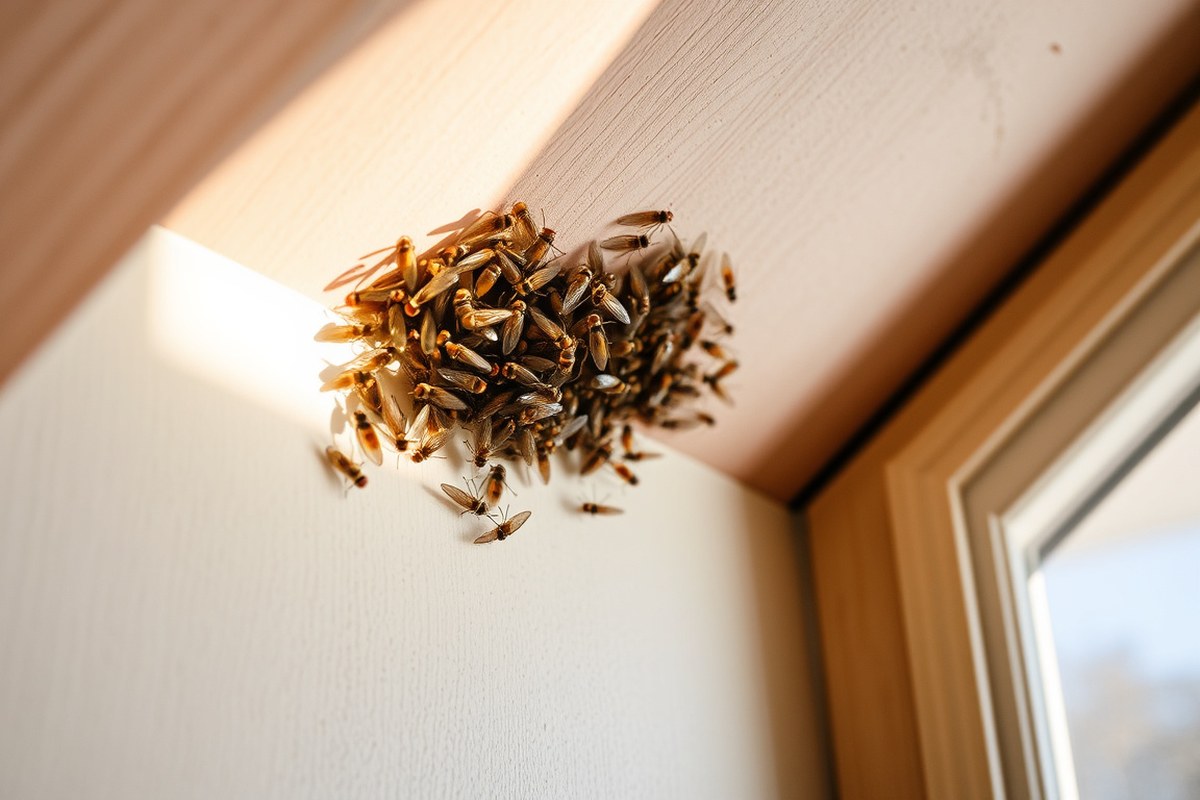
How to Get Rid of Cluster Flies: 8 Proven Steps for Fast, Lasting Control
To get rid of cluster flies, start by identifying and sealing their entry points, then use targeted interior sprays and exterior treatments timed for seasonal activity. Persistent exclusion measures and thorough cleaning help reduce their numbers quickly and keep them away long-term.
This advice suits homeowners and renters dealing with these unwelcome pests in fall and winter. You’ll learn how to spot cluster flies, understand why they invade, and discover eight proven steps for fast, lasting control that go beyond simple swatting or one-time sprays.
Key Takeaways
- Identify cluster flies by their 3/8 to 1/2-inch size and dark gray to black non-metallic abdomen, larger and duller than house flies.
- Cluster flies invade homes in fall and winter to overwinter in warm, sheltered spaces, emerging again in spring.
- Common entry points include cracks in windows, doors, vents, and siding where flies congregate before entering.
- Remove indoor cluster flies by vacuuming sluggish flies or using fly swatters to physically eliminate them.
- Apply exterior insecticide treatments by mid-August to stop cluster flies before they enter your home for winter.
- Seal all cracks, gaps, and openings around windows, doors, and siding to permanently block cluster fly entry.
1. How to Identify Cluster Flies and Differentiate Them from House Flies

Cluster flies can easily be mistaken for common house flies at first glance, but they differ in size, behavior, and indoor habits. Cluster flies are a bit larger, measuring about 3/8 to 1/2 inch long, and have a noticeable patch of yellowish hairs under their wings. These flies tend to move slowly and appear sluggish, especially indoors, whereas house flies are more active and quick. Recognizing these differences matters because cluster flies do not breed indoors or seek food inside your home; instead, they enter to overwinter in places like attics, wall voids, and upper rooms.
Noticing where you see these flies can help identify them correctly. Cluster flies usually gather near windows, ceilings, attics, and upper rooms during fall, winter, and early spring, moving slowly before settling into cracks. House flies, on the other hand, appear year-round near kitchens, trash, and food preparation areas, actively flying around while looking for breeding material.
| Feature | Cluster Flies | House Flies |
|---|---|---|
| Size | 3/8 to 1/2 inch, slightly larger | Smaller, about 1/4 to 3/8 inch |
| Appearance | Patch of yellow hairs under wings, darker body | No yellow hairs, lighter grey body |
| Movement | Slow and sluggish | Fast and active |
| Common indoor locations | Windows, attics, ceilings, upper rooms | Kitchens, trash bins, food prep areas |
| Main reason to enter home | Seasonal shelter, overwintering | Food source or breeding material |
| Indoor breeding | Rarely occurs | Occurs if food is suitable |
| Best initial removal method | Vacuum or swatter; cluster flies are sluggish | Fly swatter or traps; house flies are fast |
Inside your home, cluster flies usually show up around windows and upper areas as groups, especially in cooler months starting in fall. They do not breed indoors or contaminate food, so they pose less health risk than house flies. Because their movement is sluggish, you can often catch them with a vacuum cleaner or fly swatter without much trouble. House flies, however, are more aggressive and harder to catch due to their speed and the way they seek food.
Pay attention to the time of year and where you spot flies indoors. Groupings of slow-moving flies near windows on cool days indicate cluster flies. Fast, scattered flies around food or garbage suggest house flies. Learning to spot these differences helps you choose the right removal approach.
2. Why Cluster Flies Invade Homes, Especially in Fall and Winter

Cluster flies usually begin appearing inside your home in late summer and early fall as they seek warm shelter to survive the winter months. These flies are not looking for food indoors but a place to hibernate, often selecting attics, wall voids, and sunny spots on the upper floors of buildings. The south- and southwest-facing sides of houses attract cluster flies more because these areas warm up earlier in the day, making them ideal locations for cluster flies to settle down. You may notice them grouped together on windows or walls in sunny rooms during the cooler months.
The life cycle of cluster flies is different from common house flies. While house flies reproduce indoors on garbage or decaying material, cluster flies reproduce outdoors. Their larvae develop inside earthworms, which is why cluster flies are more common near rural areas or homes adjacent to open fields. Since cluster flies must leave the earthworms to complete their development, they do not breed or form colonies inside your home. Instead, adult flies enter your home purely to overwinter in a dormant state and then leave in spring when warmer weather returns.
This seasonal behavior means that cluster flies inside your home are generally inactive. They hide in cracks, crevices, and wall voids to avoid cold temperatures. Because of this, cluster flies do not cause damage to your property or pose significant health risks. They do not bite, spread disease, or contaminate food. However, their presence can be a strong nuisance, especially when they appear in large numbers near windows or ceilings. The annoyance comes from their persistence and the difficulty of removing them once they cluster in hidden areas of your house.
Cluster flies can stay indoors through the entire winter, typically from fall until early spring. Since they rely on outside environments for reproduction, they won’t establish a breeding colony indoors. The problem arises if you spot a sudden influx of flies late in the season; this likely means they entered the house months earlier during their search for shelter and are now waking up as temperatures rise. Because they do not feed indoors, reducing entry points and applying treatment to the building’s exterior during late summer and early fall can effectively prevent future invasions.
Seal gaps around windows and siding during late summer to stop cluster flies from entering before they settle in for winter.
3. Common Entry Points and How Cluster Flies Get Inside Homes
Cluster flies enter homes mainly through small cracks and gaps around windows, doors, vents, and siding. Identifying these entry points early and sealing them effectively can prevent infestations. Regular inspections during late summer and early fall, before the flies become active indoors, are key to targeted control.
Typical Entry Points Around Windows and Doors
Windows and doors are the most common cluster fly entry points. Flies squeeze through cracks in window frames, gaps where caulking has worn out, or damaged and torn screens. Door frames often have worn weatherstripping or small gaps under the door that flies can use. These openings allow cluster flies to slip inside, especially on sunny days when they gather on warm glass surfaces. Use this checklist to inspect windows and doors for potential entry spots:
- Check all window frame seams for cracked or missing caulk.
- Inspect door thresholds and weather stripping for gaps or wear.
- Look for holes, tears, or loose fit in window and door screens.
- Examine the fit of sliding windows and screen doors.
- Inspect around window sashes and door edges for cracks or warped wood.
Fixing these weak spots with fresh caulk, new weather stripping, or screen repair reduces entry points and blocks cluster flies from coming in.
Roof and Soffit Areas Vulnerable to Flies
The area under the roof edge, including soffits and fascia, provides sheltered entry points for cluster flies. Loose panels, open joints, or damaged screening around attic vents allow flies to enter attic spaces. Siding transitions near the roofline, where different materials meet, often have small gaps that go unnoticed but serve as fly highways. Inspect these spots during summer or early fall to catch problems before cooler weather arrives:
- Look for loose or sagging soffit panels or fascia boards.
- Check screening on attic vents for holes or gaps around vent frames.
- Examine siding joints where siding meets brick, stone, or trim for open spaces.
- Inspect roof edges and chimneys for cracks or separations allowing insect access.
Addressing these issues by tightening or replacing panels, patching screens, and sealing gaps limits cluster fly access to attic or loft areas.
Evaluating and Testing Screens and Mesh Effectiveness
Fly screens can be effective barriers if the mesh size is small enough and the screens are intact. Standard window screens usually have a mesh size between 18×16 and 20×20 per square inch, which helps block cluster flies. However, even tiny holes or tears greatly reduce their effectiveness since cluster flies can squeeze through narrow gaps.
Test your screens by carefully inspecting for damage and conducting a simple light test: hold the screen up to sunlight and look for pinpricks of light that indicate holes. Screens that have tears or are loose in their frames allow flies entry. Also verify that screens fit snugly against frames without gaps. Replacing or repairing screens before fall, when cluster flies begin seeking shelter, is important for prevention. Some tips for effective screen use include:
- Replace screens with mesh size at least 20×20 per square inch.
- Repair tears with screen patches or new mesh sections.
- Ensure screens fit tightly without gaps between frame and wall.
- Regularly clean and maintain screens to prevent sagging.
Properly functioning screens serve as a first line of defense but don’t solely rely on them. Regular sealing of cracks and inspections complete a complete barrier against cluster flies entering your home.
4. Effective DIY Methods to Remove Cluster Flies Inside Your Home
Removing cluster flies indoors calls for safe and targeted methods like vacuuming, traps, and controlled use of treatments. These approaches focus on reducing the indoor population without pushing the problem into hidden areas or causing harm. Most effective strategies involve careful removal and prevention, since cluster flies inside tend to overwinter and cannot be fully eradicated from the home itself.
Vacuuming Cluster Flies Safely and Efficiently
Vacuuming is one of the easiest ways to remove sluggish cluster flies inside your home. Because cluster flies are slow moving when indoors, a vacuum can capture them quickly without exposing you to chemicals. The key is to vacuum carefully and dispose of the contents properly to avoid the flies escaping and worsening the infestation.
- Use a vacuum cleaner with a bag attachment to trap flies effectively.
- Target areas where cluster flies cluster, such as windowsills, walls, and attics.
- Do not vacuum near entrances or cracks where flies might escape inside the vacuum cleaner.
- After vacuuming, remove the vacuum bag immediately.
- Seal the vacuum bag in a plastic bag or container to prevent flies from crawling out.
- Dispose of the vacuum bag outdoors, far from entry points to your home.
- Clean the vacuum nozzle and any parts that touched cluster flies to avoid attracting other insects.
- Repeat as necessary, especially during late fall and early spring when flies are active indoors.
Recommended Indoor Traps and How to Use Them
Sticky traps and UV light traps are the best options to catch cluster flies indoors. Sticky traps placed near window frames, attics, or walls will catch flies when they land. UV light traps work by attracting flies and trapping them on adhesive surfaces or electric grids. These are especially useful because they do not disperse chemicals and reduce cluster flies without risk to pets or children.
For sticky traps, place them near known cluster fly landing spots and replace traps every 2 to 4 weeks or when covered with flies. UV traps should be positioned away from bright windows for better attraction and require regular cleaning. Traps work best in small to moderate infestations but are unlikely to eliminate large numbers of overwintering cluster flies.
Natural vs. Chemical Indoor Treatment Options
Natural treatments using essential oils like peppermint or eucalyptus can repel cluster flies but have limited effectiveness in eliminating established indoor populations. Spraying these oils around entrances or resting spots may reduce activity temporarily. For chemical insecticides, indoor aerosol sprays labeled for flies can kill exposed cluster flies during winter and spring, but should be used cautiously to avoid health risks and resistance build-up.
Follow label instructions carefully for any chemical treatment and avoid spraying near food preparation areas, pets, or ventilation systems. Note that treatment of cluster flies in roof spaces is often not recommended where bats are present, as chemicals can harm them. Because cluster flies overwinter inside structures, chemical treatments indoors rarely offer permanent solutions without exterior prevention and sealing of entry points.
5. Exterior Treatments and Seasonal Timing to Prevent Cluster Flies
The most effective method to prevent cluster flies from getting into your house is to apply treatments on the outside before they show up. Using insect sprays or natural repellents in late summer allows you to seal off access points while the flies remain outside. The timing is important since applying too early may cause the treatment to lose potency, and doing it too late could allow flies to enter.
Optimal Months for Exterior Cluster Fly Control
Late July through August is the prime window for applying insecticides on your home’s exterior. Cluster flies develop outdoors during warm months and start seeking shelter as temperatures drop, usually from early September to November. Treating in August targets flies just before they move indoors.
Applying too early, such as in early summer, risks the insecticide breaking down before cluster flies look for shelter. Meanwhile, treating after fall begins often means you miss the chance to stop them before they enter. Focus on the south and west-facing walls where cluster flies prefer to gather.
Safe Chemical and Natural Treatment Options Outside
Use EPA-registered residual insecticides labeled specifically for cluster fly control. Pyrethrin-based sprays applied to the siding, soffits, and around window frames create a persistent barrier to kill or repel flies trying to enter. Remember to also seal visible cracks beforehand to maximize effectiveness.
Natural repellents like essential oils, eucalyptus, peppermint, or lavender, can assist as deterrents around entry points without harmful chemicals. Limiting outdoor lighting also reduces attraction since cluster flies are drawn to lights.
- Apply pyrethrin insecticides to exterior walls, focusing on south and west sides
- Use caulk to seal cracks and gaps before spraying
- Spray in late July or August for best timing
- Diffuse essential oils near potential entry points as a natural barrier
- Turn off or use timers on exterior lights during peak fly activity
- Avoid spraying insecticides during windy or rainy days
- Wear protective gear and follow label instructions carefully
Do not rush to spray at the first sign of flies; aim for late summer to protect your home effectively through fall.
Maintaining Treatments Through Seasonal Changes
Once treated, monitor the exterior for new cracks or damage in siding and caulking through fall and early winter. Reapply insecticides if heavy rains wash away residues or if you notice a spike in fly activity near your home.
Because cluster flies seek warm sheltered spaces, maintaining good structural barriers combined with timed exterior treatments reduces the number entering your attic and walls. Clean up leaf litter and debris as these can harbor resting flies outdoors.
6. How to Seal Your Home to Permanently Block Cluster Fly Entry
Preventing cluster flies from entering your home starts with a thorough inspection and sealing of every crack and gap they could use as an entry point. These flies often sneak in during the fall through openings in your foundation, around windows, doors, vents, and utility penetrations. Proper sealing not only blocks cluster flies but also other pests and helps improve your home’s energy efficiency.
Using the right materials for sealing is essential. Silicone or polyurethane caulk works well for narrow cracks and gaps up to about 1/4 inch wide because it remains flexible and weather-resistant. Expanding foam sealant is better for larger gaps and holes, such as those around pipes or electrical wires. Weatherstripping around doors and windows provides a movable barrier that closes tight each time you shut them.
Window screens are a good line of defense, but they must fit well without holes or tears, as cluster flies can fit through very small openings. Make sure to routinely check and repair screens each year before fall. For vents, use fine-mesh metal screens since plastic ones can degrade or be pushed out of place more easily.
- Inspect your home’s exterior. Look closely at the foundation, siding, window frames, door frames, vents, and utility openings for any cracks or gaps. Use a flashlight and mirror for hard-to-see spots.
- Clean or remove debris around entry points. Brush away dirt, leaves, and old cobwebs that might be hiding or masking openings where cluster flies can enter.
- Apply caulk to small cracks. Use a high-quality silicone or polyurethane caulk to fill gaps up to 1/4 inch wide around window and door frames, siding joints, and small foundation cracks. Smooth the caulk with a wet finger or tool for a tight seal.
- Use expanding foam for larger gaps. For openings around pipes, wires, or vent gaps larger than 1/4 inch, apply exterior-grade expanding foam. Trim any excess foam after it cures to avoid pest harborage.
- Install weatherstripping. Add adhesive-backed weatherstripping to door bottoms, thresholds, and movable windows to ensure these joints close tightly without gaps.
- Check and repair window and vent screens. Replace torn or damaged screens with tightly fitting new ones made of stainless steel or aluminum mesh. Attach screens securely to frames to prevent slipping or gaps.
- Seal vent openings with fine-mesh metal screens. Remove any loose vent covers and replace or cover vents with screens that have mesh size smaller than 1/16 inch to block cluster flies while allowing airflow.
- Monitor and maintain seals seasonally. Inspect all seals and screens before the cooling season starts again in the fall. Re-caulk, adjust weatherstripping, and repair screens as needed to keep your home sealed year-round.
Taking these steps may cost between $20 to $100 for materials, depending on your home’s size and number of entry points. Investing time and money in proper sealing offers long-term relief from cluster flies by removing their common entry routes, reducing the need for repeated treatments each fall. Neglecting small gaps or using improper materials can leave openings that allow flies to enter despite your efforts. Consistency and quality in sealing are key to reliable, permanent protection.
7. When to Call Professionals and How to Choose the Right Service
Calling a professional pest control service becomes necessary when your efforts to seal entry points and apply DIY treatments fail to reduce cluster fly numbers effectively. Continued presence of large numbers of flies in your attic or walls despite multiple home treatments over several weeks signals the need for expert help. Professionals use targeted insecticides applied both inside and outside your home, which you cannot achieve safely or thoroughly with consumer products. Treatments usually involve residual insecticide barriers around entry sites and thermal fogging or crack-and-crevice treatments in attics or wall voids.
The cost of professional cluster fly treatments often ranges from $150 to $400 depending on the size of your home, severity of infestation, and service area. Effective control requires at least one complete visit, sometimes followed by a free or discounted follow-up treatment within a warranty period of 30 to 90 days. DIY options can be less expensive upfront, around $20 to $50 for sprays or traps, but rarely provide a complete or lasting solution, especially if cluster flies are already established inside your home.
When hiring a company, choose one with licensed pest control operators familiar with cluster fly biology and behavior. A good service will inspect your home to identify entry points and breeding sites before treatment. Expect them to offer proofing advice for long-term prevention along with insecticide application. For reassurance, ask if their work is backed by a satisfaction guarantee or warranty period offering free follow-ups if flies return. To make your communication with a pest control service clear and efficient, use a script like this:
“Hello, I have a recurring problem with cluster flies in my attic and inside walls. I have tried sealing and DIY sprays but the problem persists. I want a treatment plan that includes interior and exterior applications and advice on long-term prevention. Can your technicians provide a thorough inspection and guarantee follow-up visits if the flies return within a warranty period?”
This ensures the provider understands the scope of your problem and your expectations for lasting control. During treatment, good results include a dramatic reduction in flies seen within 1 to 2 weeks and fewer signs of infestation after follow-up visits. Persistent flies call for a re-inspection to check for missed entry points or reinfestation, which may require additional proofing or treatment.
8. Common Mistakes in Cluster Fly Control and How to Avoid Them
One frequent mistake when trying to get rid of cluster flies is inadequate sealing of entry points. Cluster flies can squeeze through gaps as small as 1/8 inch, so even tiny cracks around windows, doors, and vents must be sealed with high-quality silicone or latex caulk. Foam or weather-stripping can help seal larger gaps. Failure to do this leaves an open invitation for flies to return repeatedly, despite other control efforts.
Incorrect timing of treatments also reduces effectiveness. Treatments applied too early or too late in the season won’t target the flies at their most vulnerable stage. The best window for exterior sprays is late summer to early fall, just before cluster flies seek out warm places to overwinter. Indoor treatments are more effective in late fall or early spring when flies are trapped inside walls or attics. Applying insecticides outside of these windows often wastes time and money.
Another common issue is relying on ineffective traps or sticky tapes designed for house flies. Cluster flies are slow but can avoid such traps because they tend to settle on surfaces not covered by these devices. This leads to a false sense of progress. Instead, focus on exclusion and timed use of insecticides as part of an integrated approach.
Do not rely solely on window screens to prevent cluster fly entry, as these flies can exploit small gaps around the screens and other openings.
- Seal cracks larger than 1/8 inch with silicone caulk or foam before fly season.
- Apply exterior insecticide treatments from late August through mid-September for best results.
- Use indoor insecticides carefully in late fall when flies are inactive but accessible.
- Avoid sticky traps designed for house flies; they rarely catch cluster flies effectively.
- Remove attractants such as bright outdoor lights and decaying plants near entry points.
- Ventilate attics and wall spaces to reduce fly survival over winter.
Fixing ineffective treatments usually involves reassessing the sealing of your home first. Check all likely entrances with a flashlight from outside during daylight, noting cracks or gaps near window frames, door sweeps, and attic vents. Caulk and weatherstrip these areas. Then, follow the seasonal treatment schedule. For example, if you sprayed insecticide outdoors in winter, retreat in late summer as cluster flies prepare to enter. Avoid spraying indoors after flies start escaping in spring; their hard exoskeleton makes them less vulnerable.
Some DIY failures happen because cluster flies develop inside wall voids or attics, where sprays and traps don’t reach. In these cases, controlling the flies outside before they enter or sealing access points is more effective. Professional treatment may be necessary when infestation levels are high or in hard-to-access locations. This complete approach avoids repeated control failures that result from partial or mistimed actions.
Step-by-Step Action Plan to Get Rid of Cluster Flies
Follow these clear steps to quickly identify, remove, and block cluster flies from your home. Each phase helps you check progress and adjust as needed.
- Day 1: Identify Cluster Flies – Confirm the flies are cluster flies by looking for their slow, lumbering flight and grayish color with golden hairs on the thorax. Seeing flies that rest on window sills in clusters is a sign you’ve found them. Knowing this ensures you treat the right pest.
- Day 2: Inspect Entry Points – Check windows, door frames, attic vents, and cracks for possible fly entry. Mark all openings to seal later. Success means finding where they get inside.
- Days 3 to 5: Start Interior Control – Use a handheld vacuum or fly spray labeled safe for indoor use to remove visible flies. Repeat at night when flies are less active. Count the number caught to track reduction.
- Week 2: Apply Exterior Treatments – Spray the outside of your home around known entry points using an insecticide made for cluster flies and timed for early fall. Notice fewer flies gathering near your walls as a sign it’s working.
- Week 3: Seal Your Home – Use caulk or weather-stripping to close all cracks and openings found earlier. Verify that you can no longer see light through these spots or feel air leaks. This prevents new flies from coming inside.
- Week 4: Monitor and Maintain – Keep checking for any new flies indoors or outside and reapply treatments or reseal openings as needed. No new flies inside means your efforts succeeded.
- If Problems Persist: Call a Professional – If cluster flies continue despite your efforts after a month, contact a licensed pest control service experienced with cluster flies. Professional treatment can address hidden infestations safely.
Frequently Asked Questions
How Do I Permanently Get Rid of Cluster Flies?
Permanently removing cluster flies involves sealing all entry points around windows, doors, and vents to stop them from entering. Regularly inspect your home’s exterior in late summer and early fall to catch and seal cracks, reducing their access before they invade your living spaces.
What Smells Do Cluster Flies Hate?
Cluster flies dislike the smell of peppermint, eucalyptus, and citronella oils. Using these scents in sprays or diffuser oils near entry points can help repel them temporarily but won’t replace sealing and proper removal methods.
Why Do I Suddenly Have Cluster Flies in My House?
Cluster flies enter your home mainly in fall to find warm places to overwinter. Sudden sightings often mean they are seeking shelter as outdoor temperatures drop. Checking your home’s exterior for gaps can prevent repeated invasions.
Do Cluster Flies Eventually Go Away?
Cluster flies will go away as outdoor temperatures rise in spring, but they don’t leave immediately. Without sealing entry points, more can keep coming back each fall, so prevention is important to reduce their presence long term.
Are Insecticides Effective Against Cluster Flies Indoors?
Indoor insecticides can kill visible cluster flies but won’t solve infestations as flies hide in walls and attics. Combining sprays with sealing gaps and traps works better to reduce numbers.
Can Cluster Flies Breed Inside My Home?
Cluster flies typically do not breed indoors since they need earthworms in soil for larvae development. Indoor infestations come from adults seeking shelter, not breeding inside your home.
Final Thoughts
Getting rid of cluster flies takes a mix of proper identification, sealing entry points, and timely treatments. Start by inspecting your home’s exterior for gaps or cracks you can seal immediately to prevent new flies from coming in. Taking that first step today can limit their presence and reduce the chances of a bigger problem this season.