

How to Get Rid of Carpet Beetles: Complete Steps for Permanent Removal
To get rid of carpet beetles permanently, start by inspecting your home carefully for signs of both adult beetles and larvae. Regular vacuuming combined with targeted cleaning and treatments like boric acid effectively eliminates them, especially in early infestations. Identifying and removing what attracts these pests indoors is essential for complete removal and long-term prevention.
This information helps homeowners and renters handle carpet beetle problems themselves, offering detailed steps on inspection, cleaning, chemical options, and monitoring. You’ll find guidance on treating hard-to-reach areas, avoiding common mistakes, and understanding how long the elimination takes to keep your home pest-free.
Key Takeaways
- Identify carpet beetles by their small, oval shape, 1/16 to 1/8 inch long, with mottled brown, yellow, and white scales.
- Inspect areas with natural fibers and look for shedding larvae skins or damage to detect infestations early.
- Wash and dry bedding at temperatures above 120°F (49°C) for at least 30 minutes to kill beetles, larvae, and eggs.
- Use freezing at -20°F for 72 hours or heating to 50°C for 30 minutes to break the beetle life cycle effectively.
- Place pheromone traps near entry points and infested zones to monitor and reduce carpet beetle populations safely.
- Avoid keeping infested garments; discard them to prevent re-infestation and ensure complete elimination of beetles.
How to Identify and Inspect for Carpet Beetles and Their Larvae
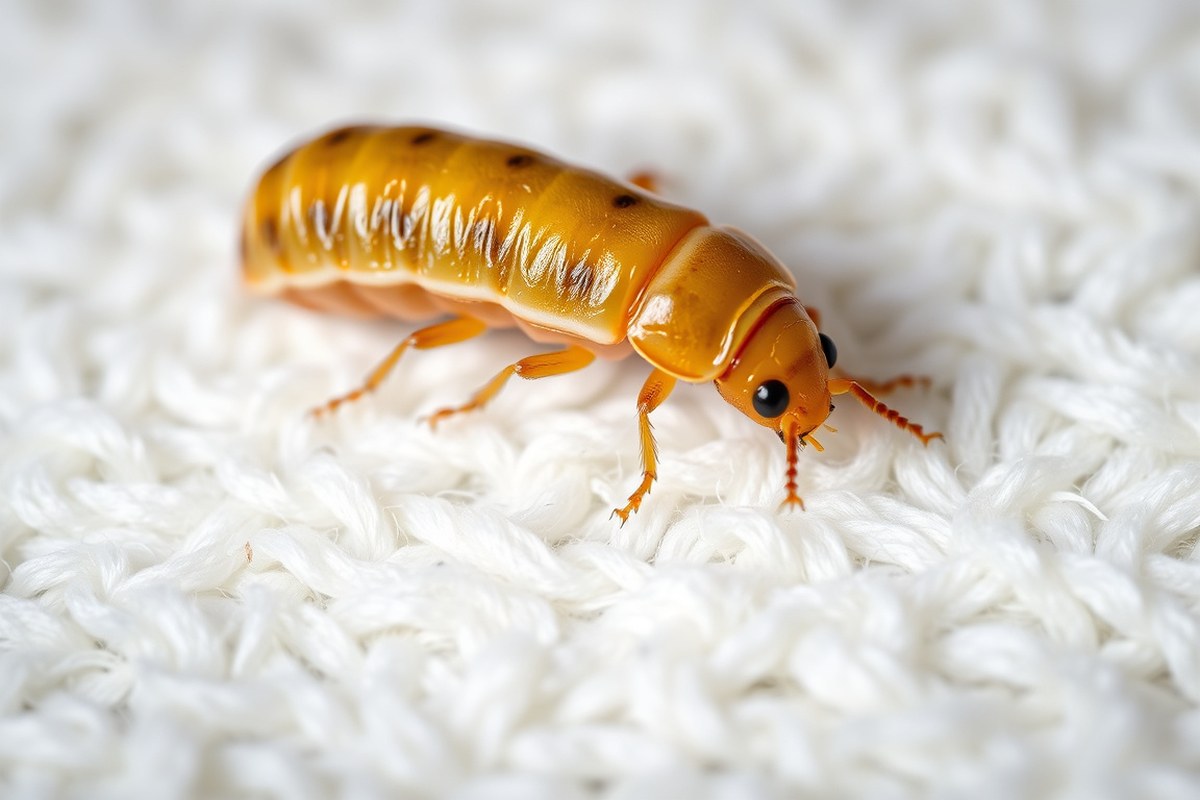
Carpet beetles are small, round insects about 1/8 inch long, with mottled black, white, and brown patterns on their wing covers. Adult beetles primarily feed on pollen and nectar outside but enter your home to lay eggs in areas where their larvae can find food. Larvae are the destructive stage, they are small, hairy, worm-like creatures, typically 1/4 inch long, with striped or spotted patterns and bristles. Their eggs are tiny, whitish, and often hidden deep in carpet fibers or fabric folds.
Identifying these pests early helps prevent extensive damage. Larvae feed on natural fibers, so you’ll find them in places like carpets, clothing storage, upholstered furniture, curtains, and under baseboards. Common hiding spots include dark corners, under furniture, along edges of rugs, inside air vents, and even in piles of pet hair or lint. Because eggs and larvae stick tightly to fibers, a thorough inspection and cleaning routine are essential.
Following a step-by-step inspection process ensures you find all beetles, larvae, and eggs. Use a flashlight and magnifying glass to improve your search, and take special care in rooms where pet hair, wool, and natural fibers accumulate. During inspections, check items recently brought indoors, like flower bouquets or secondhand clothing, as these can introduce carpet beetles.
- Clear and declutter: Remove any piles of laundry, clothing, and clutter from floors and storage areas. This exposes surfaces for inspection and vacuuming, making it easier to spot larvae and eggs.
- Use a flashlight and magnifying glass: Shine a bright light along carpet edges, under furniture, inside closets, and behind baseboards. Look for small beetles, larvae, shed skins, and eggs, which appear as tiny dots on fibers.
- Check fabrics and stored items: Inspect blankets, wool garments, upholstery, and pet bedding thoroughly, especially in dark, undisturbed places. Look for bare spots or holes that larvae cause.
- Examine entry points: Look outside and discard old bird nests, spider webs, and beehives since beetles can hide there before entering your home. Also, inspect any fresh flowers or plants before bringing them inside.
- Vacuum carpets and furniture: Use a vacuum with strong suction and a brush attachment to remove beetles, larvae, and eggs deeply embedded in carpet fibers and upholstery.
- Clean or dry-clean affected textiles: Use hot water of at least 120°F (49°C) to wash bedding, clothes, and curtains to eliminate all carpet beetle life stages. For delicate or items that can’t be washed, opt for dry cleaning instead.
- Steam clean carpets and upholstery: Steam effectively kills larvae and eggs embedded in fibers, improving your efforts to fully eliminate the infestation.
Signs That Indicate a Carpet Beetle Infestation
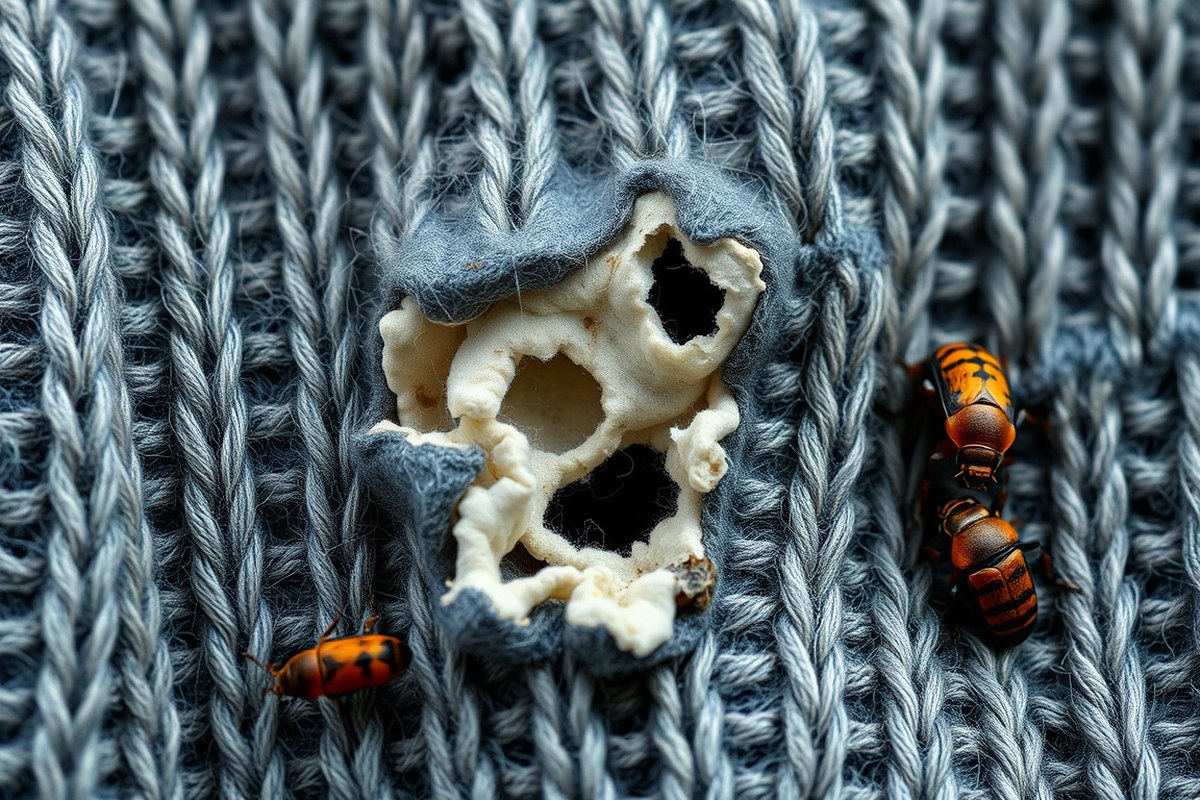
Carpet beetle infestations are often discovered through signs like damaged fabrics and sightings of the beetles themselves. Adult beetles mainly feed on pollen outside, so the real damage inside your home comes from their larvae, which feed on natural fibers such as wool, fur, silk, and feathers. You’ll notice irregular holes or torn areas in clothing, blankets, carpets, or upholstered furniture where larvae have fed. The damage usually appears as small, uneven patches rather than clean cuts.
Another sign is seeing shed larval skins, which look like tiny, bristly cases left behind as the larvae grow. These are typically found near infested fabrics or along baseboards. Also check dark, hidden spaces like under furniture, inside closets, or in air ducts where carpet beetles like to breed. If you spot adult beetles inside your home, this might indicate a larger infestation nearby because they tend to emerge before laying eggs.
- Irregular holes or fabric damage on wool, silk, or other natural fibers
- Shed larval skins near infested items or baseboards
- Adult carpet beetles inside the house, especially near windows or light sources
- Bald spots or thinning in carpets and upholstery
- Damage to pet beds or stored natural-fiber items
- Clusters of tiny, hard-to-see eggs on fabric surfaces or hidden corners
Carpet beetles don’t bite or directly harm people or pets, but their larvae can cause allergic reactions or skin irritation in sensitive individuals. The main concern is damage to household items rather than direct health risks. Objects like wool sweaters, antique textiles, and stuffed animal toys are especially vulnerable, and great care is needed with valuable or sentimental fabrics.
Throw away heavily damaged clothing or fabrics sealed in plastic bags to prevent beetles from spreading their eggs to other possessions.
Detecting and acting on these signs early can limit how much damage happens and help you remove the infestation effectively. Treating infested fabrics by washing them in hot, soapy water or discarding them is essential. Vacuum carpets and surrounding areas frequently until you see no signs of larvae or beetles. When the infestation affects hard-to-clean items or spaces, consider extra measures like professional pest control.
Effective Cleaning and Non-Chemical Treatments for Carpet Beetles
Vacuuming, washing, freezing, and steam cleaning can all effectively kill carpet beetles, their eggs, and larvae by physically removing them or exposing them to lethal temperatures. Vacuuming and steam cleaning target beetles lurking in carpets and upholstery. Washing clothing and textiles with hot water plus detergent eliminates larvae and eggs, while freezing properly infested items at very low temperatures kills hidden pests in non-washables. Combining these cleaning methods helps break the carpet beetle life cycle safely without chemicals.
Vacuuming Techniques and Frequency
Regular vacuuming helps control carpet beetle numbers by removing adults, eggs, and larvae from carpets, floors, and furniture. This method physically extracts pests before they develop further or spread. Be sure to vacuum thoroughly and often, focusing on hidden larvae within carpet fibers to stop reinfestation.
Vacuum at least twice a week in infested or high-risk areas. Use strong suction and pay special attention to edges of carpets, under furniture, area rugs, and where pet hair accumulates. Empty or dispose of vacuum bags outdoors right after use to avoid recontamination indoors.
Washing and Freezing Textiles Safely
Washing infested textiles at high temperatures kills carpet beetle eggs and larvae effectively. Washing with hot water at temperatures above 120°F combined with a quality detergent ensures thorough elimination from clothing, bedding, and washable rugs. Dry items in a hot dryer cycle to further ensure all life stages are destroyed.
Non-washable items like delicate fabrics or stuffed toys can be frozen to kill beetle eggs and larvae. Keep these items sealed in plastic bags and place them in a freezer that can reach 0°F or below. Maintain freezing for at least 72 hours to guarantee pest mortality.
Dry cleaning can serve as a treatment for non-washable fabrics by exposing carpet beetles to chemicals and heat used in the cleaning process. Consult your dry cleaner to confirm they offer this pest control benefit.
- Sort affected textiles by washability.
- Wash washable fabrics in hot water (120°F or higher) with quality detergent.
- Dry items using the highest heat safe for the fabric.
- Seal non-washable items in plastic bags.
- Freeze sealed items at 0°F or lower for three days.
- Consider professional dry cleaning for delicate, non-washable textiles.
Steam Cleaning Benefits and Use
Steam cleaning carpets, rugs, and upholstery is a non-chemical way to kill carpet beetle adults, larvae, and eggs by using high heat and moisture. The steam’s temperature, often reaching 200°F or more, is lethal to all life stages of carpet beetles hiding deep in carpet fibers and fabric folds.
Use a steam cleaner on infested areas after vacuuming. Move the steam wand slowly to allow heat penetration. Steam cleaning combines suction and heat, removing debris while killing pests. It’s especially helpful for mattresses and upholstered furniture where washing or freezing isn’t possible.
Repeat steam cleaning treatments several times over a few weeks to catch any newly hatched larvae. Steam cleaning does not leave chemicals behind, making it safe for homes with children and pets when done properly.
Safe and Effective Chemical Treatments for Carpet Beetles
Both chemical insecticides and natural powders can be used to control carpet beetles, but choosing the right option depends on the severity of the infestation and your household situation. Boric acid is one of the most effective and commonly used natural powders for DIY treatments. It works by dehydrating and poisoning the beetles when they crawl over treated surfaces. This method is safest for homes with children and pets since boric acid has low toxicity when applied as directed. It also costs between $10 and $20 for a typical container, which covers multiple applications.
Chemical insecticides specifically labeled for carpet beetle control are effective but should be reserved for serious infestations in homes without young children or pets. These pesticides work faster than natural powders and can penetrate areas that vacuuming and powders might miss. However, using chemicals requires careful application according to the label directions to minimize health risks and environmental impact. Professional pest control services may use stronger insecticides if the infestation is widespread.
| Treatment Type | Common Product | Effectiveness | Safety Around Children/Pets | Cost Estimate | Best Use Scenario |
|---|---|---|---|---|---|
| Natural Powder | Boric Acid | Moderate to High | Safe if applied correctly | $10 – $20 per container | Small to moderate infestations, homes with kids/pets |
| Chemical Insecticide | Carpet Beetle-specific sprays | High | Not recommended around kids/pets during application | $20 – $40 per treatment | Severe infestations, no children or pets present |
Use boric acid by lightly dusting it on carpets, baseboards, and under furniture. Leave it for several days before vacuuming thoroughly to remove dead beetles and powder residues. Repeat the process weekly for at least three weeks to break the beetles’ lifecycle. Keep the treated areas dry and avoid excessive disturbance of the powder to maintain effectiveness.
For chemical insecticides, apply sprays directly to infested areas, cracks, and crevices where carpet beetles hide. Ventilate the room well after treatment and keep children and pets away until the product dries completely, which usually takes a few hours. Always follow the exact instructions on the product label to ensure safe and effective use.
In situations where carpet beetles persist despite treatment or if you have a significant infestation and sensitive household members, hiring a licensed pest control professional is a safe alternative. They can apply insecticides that are not available to consumers and know how to minimize exposure risk to your family and pets.
Treating Hard-to-Reach Areas and Using Traps for Monitoring
Treating hard-to-reach areas requires focusing on the dark, narrow spots where carpet beetles commonly hide. Using traps can help you monitor adult beetle activity and catch them before they multiply. Combining these approaches gives you a better chance of eliminating hidden infestations and knowing when the problem is under control.
Locating and Accessing Hidden Spots
Carpet beetle larvae and adults often settle in quiet, dark places such as air vents, baseboards, cracks, and under or inside furniture. Tracking down these spots is key because beetles prefer areas with lint, dust, hair, or fabric debris to feed on. Vent covers, window gaps, and door cracks also serve as entry points and hiding places.
To treat these areas effectively, start by inspecting locations with little natural light, closets, attics, crawl spaces, and behind appliances. Use a flashlight to peer into vents and cracks. Move or lift furniture carefully to expose underlying surfaces where larvae could be quietly feeding.
- Turn off HVAC systems temporarily before treating vents to prevent dust spread.
- Remove vent covers and clean inside vents using a vacuum with a narrow nozzle attachment.
- Seal small cracks and gaps around windows and doors with caulk or weather stripping to block future entry.
- Lift furniture cushions and vacuum furniture crevices thoroughly.
- Use a stiff brush to dislodge larvae from edges of carpets and baseboards.
- Apply residual insecticide dust or spray (if chemical treatment is part of your plan) carefully to cracks and crevices according to product instructions.
- Replace vent covers and furniture after treatments dry completely.
Use a vacuum with a HEPA filter in these spots to ensure you remove carpet beetle eggs and larvae without spreading debris around.
Setting Up and Using Pheromone Traps
Pheromone glue traps attract adult carpet beetles by mimicking their natural scent, making them efficient for monitoring or reducing populations. These traps give you a clear indication of how active beetles are and if further treatments are needed.
Place traps near baseboards, closets, vents, and dark corners where carpet beetles are likely to travel. Keep traps out of direct sunlight and away from dusty areas to maintain stickiness and effectiveness.
- Buy pheromone traps specifically designed for carpet beetles, usually sold at hardware stores or online, costing $10 to $20 per pack.
- Lay traps flat on the floor along room edges and near suspected infestation points.
- Replace traps every 2 to 3 weeks or as soon as they fill with beetles or lose adhesiveness.
- Record trap catches weekly to track infestation levels and treatment progress.
- Combine traps with regular vacuuming and cleaning to physically remove beetles from your home.
- Stop using traps once catches drop to zero for two consecutive weeks, signaling successful control.
Do not rely solely on traps; combine them with cleaning and treating hidden areas for best results.
Maintaining Treated Areas
Continuous maintenance helps prevent re-infestation from hidden areas. After treating vents, cracks, and furniture, keep these spots clean and dry. Regular vacuuming removes eggs, larvae, and dust that attract carpet beetles.
Inspect vents and hidden corners monthly, especially during warmer months when beetles are most active. Washing washable fabrics and vacuuming upholstery frequently can starve larvae of food sources.
- Vacuum all treated areas weekly for at least two months after initial treatment.
- Wash or dry-clean infested clothing and fabrics at temperatures above 120°F to kill eggs and larvae.
- Keep storage boxes tight-sealed and free from dust and lint buildup.
- Maintain caulking and sealing around windows and vents to close future access points.
- Use sticky traps seasonally to monitor if carpet beetles return.
Failing to maintain treated areas often leads to reinfestation because eggs and larvae left behind can hatch later.
Common Mistakes When Eliminating Carpet Beetles and How to Avoid Them
One common mistake when dealing with carpet beetles is incomplete cleaning, which leaves behind eggs, larvae, or adult beetles. Thorough vacuuming of carpets, rugs, furniture, and baseboards is essential. Pay special attention to areas under furniture and along edges, where beetles tend to hide. Use a vacuum with a HEPA filter if possible, then promptly seal and discard the vacuum bag or empty the canister outdoors to avoid spreading the insects inside your home.
Laundering infested clothing and textiles incorrectly can also lead to reinfestation. Carpet beetle larvae die at temperatures above 120°F, so wash washable items in hot water or dry clean them. Non-washable items such as wool sweaters or delicate linens should be sealed in airtight bags and placed in a freezer for at least 72 hours to kill all stages of the pests.
Using chemical treatments without addressing all infested materials and hiding spots causes repeated problems. Applying insecticides only to visible areas misses larvae tucked inside upholstery or deep in carpet fibers. Following label instructions carefully and treating all suspected areas, including vents, baseboards, and cracks, increases your chances of success.
- Vacuum daily during treatment and discard vacuum contents outdoors to prevent spreading.
- Wash clothing and linens in hot water (over 120°F) or dry clean to kill larvae and eggs.
- Freeze non-washable textiles at 0°F for 3 days to eliminate all life stages.
- Apply insecticides evenly in cracks, crevices, and under furniture where beetles hide.
- Seal cracks and gaps around windows and doors to prevent new beetles from entering.
- Regularly inspect stored fabrics and items made from animal fibers like wool or silk.
- Combine cleaning, chemical treatments, and prevention for complete eradication.
Reinfestation often happens when you miss infested items or reintroduce beetles through new purchases like secondhand clothes, plants, or flower arrangements. Inspect new items carefully and store seasonal clothing in sealed containers. Packing away clothes and linens in airtight plastic bins or heavy-duty vacuum bags helps cut off access for larvae and adults. In homes with pets, washing pet bedding frequently and cleaning pet areas reduces attractants for carpet beetles.
Failure to maintain regular cleaning routines after initial treatment allows any surviving beetles to repopulate. Continued vigilance means vacuuming weekly, checking for signs of beetles, and repeating treatments as recommended if you find any. Although regular cleaning and exclusion measures require time and effort, combining them improves your chances of making your home beetle-free. Avoid shortcuts by committing to thorough cleaning, proper laundering, and sealing entry points, all important steps in preventing carpet beetle return. The time and small costs spent on these practices can save money compared to replacing badly damaged carpets or furniture down the line.
How Long Does It Take to Eliminate Carpet Beetles Completely?
Eliminating carpet beetles completely usually takes several weeks to a few months. This timeline depends on how advanced the infestation is and how thorough your treatments are. Carpet beetles undergo a life cycle that includes eggs, larvae, pupae, and adults. The eggs hatch in roughly 10 to 20 days, and the larvae can feed and grow for about 20 to 40 days before becoming adults. Because eggs and larvae often hide in deep fibers or cracks, treatments must cover multiple cycles to catch all stages.
Treatments should start with a deep cleaning to remove larvae, eggs, and adults from carpets, upholstery, and crevices. Vacuum thoroughly and dispose of vacuum bags outside immediately. After cleaning, apply chemical or natural treatments as directed. It’s important to repeat these treatments after two to three weeks, coinciding with the egg hatching period. This second treatment kills newly hatched larvae before they grow or reproduce.
After initial cleaning and treatment, schedule a follow-up inspection and reapplication around three to four weeks later. By then, any remaining beetles or larvae that survived or hatched after your first efforts will be vulnerable. Neglecting this second step often leads to reinfestation and wasted effort. Some infestations may require additional follow-ups every month or so until all signs disappear.
A typical timeline looks like this: week one covers the initial cleaning and treatment; week three includes reapplication targeted at hatching eggs; weeks five to eight involve monitoring and spot treatments as needed. Continuous vacuuming during this period helps disrupt the beetle lifecycle further. Skipping vacuuming or delaying follow-ups can prolong the infestation.
For heavy infestations, consider professional evaluation. Experts can assess how widespread the beetles are, which affects how long treatment takes and what methods to use. Extensive infestations often need multiple targeted treatments over two to three months. Light infestations may clear with just one or two treatments and consistent cleaning within 4 to 6 weeks.
Successful elimination is marked by a lack of new larvae or adults found during inspections after two or more consecutive treatments. Keep records of treatment dates, areas cleaned, and products used. This helps you track progress and plan any needed follow-ups.
Remember, effective treatment isn’t a one-time event. It hinges on repeated steps timed to the carpet beetle lifecycle. Ignoring eggs or larvae by skipping treatments lets the infestation return and extend the timeline indefinitely. Following a treatment schedule aligned with egg hatching and larval development phases is the best way to stop carpet beetles for good.
Preventing and Monitoring Carpet Beetle Infestations Long Term
Preventing carpet beetles from returning requires consistent effort in cleaning, storage, and monitoring. Understanding your local environment and seasonal peaks can help you time your prevention strategies effectively. Knowing when infestation damage is beyond DIY fixes ensures you engage professional help timely and avoid further damage.
Seasonal and Regional Considerations
Carpet beetle activity often fluctuates with the seasons and local climate conditions. In warmer months, particularly spring and summer, carpet beetles are more active and reproduce faster, increasing the risk of infestations. Cooler weather slows their lifecycle but doesn’t eliminate the threat since indoor heating provides a suitable environment year-round.
Regions with high humidity or mild winters tend to see carpet beetles throughout the year, while colder climates might experience seasonal drops in activity. Taking preventive action early in spring can reduce the chances of a full infestation by the time summer arrives.
Effective Storage and Home Maintenance
Maintaining a clean home and proper storage habits is key to preventing carpet beetle infestations long-term. Regular vacuuming of carpets, rugs, baseboards, and upholstered furniture removes eggs and larvae before they develop. Pay close attention to closets and storage areas where textiles are kept.
Use airtight containers for storing clothes, linens, and susceptible dry foods such as cereal, rice, oats, and pet food. These containers block beetles from reaching potential food or fabric sources. Also, seal cracks and gaps around windows, doors, and walls to prevent adult beetles from entering your home.
- Vacuum thoroughly weekly, focusing on edges and under furniture
- Store off-season clothing in plastic bins with tight lids
- Inspect and clean storage areas every 2 to 3 months
- Dispose of infested items immediately in sealed bags outdoors
- Discard dry food showing signs of beetle activity
- Use pheromone traps seasonally to monitor beetle presence
- Seal all gaps larger than 1/8 inch around your home’s exterior
Opt for dry cleaning or machine washing of garments suspected to be infested at temperatures at least 120°F for 30 minutes, which kills larvae and eggs. For textile damage that is already extensive, removal of the damaged items often prevents re-infestation and reduces chemical treatment needs.
Holding on to infested clothes complicates efforts to eradicate carpet beetles; you should get rid of garments even if no live beetles or larvae are visible.
When to Call Professional Pest Control
Deciding to hire a professional depends on infestation severity and your ability to manage ongoing control. If you observe carpet beetle damage in multiple rooms or if DIY efforts haven’t reduced beetle numbers within 3 to 4 weeks, contacting a pest control expert becomes advisable. Professionals can provide targeted treatments that are often not available to the public.
Severe infestations can lead to costly damage to carpets, clothing, and furnishings if left untreated. A licensed pest controller will accurately identify infestation extent, apply appropriate insecticides safely, and advise on follow-up inspections and prevention. Costs vary by location and infestation size but expect $200 to $500 for initial treatment in a typical home. Call a professional promptly if your home has:
- Multiple infestation hotspots with visible larvae or beetles
- Extensive damage to valuable textiles
- Recurring infestations despite repeated DIY treatments
- Sensitive household members who require non-chemical solutions
- Limited time or ability to conduct thorough cleaning and monitoring
Step-by-Step Action Plan to Get Rid of Carpet Beetles
Follow this plan to identify, eliminate, and prevent carpet beetles from your home effectively. Each step builds on the last to ensure lasting results.
- Day 1: Inspect and Identify, Check common hiding spots like carpets, rugs, clothing, and furniture for adult beetles and larvae. Confirm signs such as shed skins or damage to fabrics. This step works if you find evidence of carpet beetles to target.
- Day 2: Deep Clean, Vacuum all infested areas thoroughly, focusing on edges, corners, and beneath furniture. Dispose of vacuum bags immediately to remove larvae. Success means visibly cleaner surfaces with fewer beetles detected.
- Day 3: Apply Non-Chemical Treatments, Use steam on carpets and upholstery, or freeze small infested items for at least 72 hours. These methods kill larvae without chemicals. Verify effectiveness by seeing no new larvae after treatment.
- Day 4: Use Chemical Controls in Targeted Areas, Apply recommended insecticides carefully to cracks, crevices, and hard-to-reach places following label instructions. Avoid overuse. Check that adult beetles and larvae decline over the next week.
- Week 2: Set Monitoring Traps, Place sticky or pheromone traps near problem areas to track remaining beetle activity. Fewer trapped beetles indicates control is working.
- Weeks 3 to 4: Repeat Cleaning and Treatments as Needed, Vacuum and treat any new activity promptly. Complete control is evident when no beetles or larvae appear for two consecutive weeks.
- Ongoing: Prevent and Monitor, Regularly clean prone areas, store susceptible items in sealed containers, and check traps monthly. Early detection keeps infestations from returning.
Frequently Asked Questions
What Household Items Attract Carpet Beetles Indoors?
Natural fibers like wool, silk, and cotton attract carpet beetles, along with food crumbs and pet hair in your home. Identifying and removing these attractants reduces the risk of infestation.
Can Carpet Beetles Damage Stored Clothing?
Yes, carpet beetle larvae feed on natural fibers in stored clothes, causing holes and damage. Store garments in airtight containers to protect them.
Do Carpet Beetles Bite Humans or Pets?
Carpet beetles do not bite humans or pets, but their tiny hairs can cause allergic skin irritation in some people. Proper cleaning reduces exposure to these hairs.
Can Carpet Beetle Eggs Survive Without Food?
Carpet beetle eggs can survive for several weeks without food but typically hatch when conditions improve. Regular cleaning interrupts their life cycle by removing food sources.
Is Professional Pest Control Necessary for Small Infestations?
Small infestations can often be handled with thorough cleaning and over-the-counter treatments. Larger or persistent infestations may require professional pest control for complete elimination.
Are Insect Repellents Effective Against Carpet Beetles?
Most general insect repellents are not effective against carpet beetles because they attack larvae in hidden areas. Targeted pest control methods work better.
Before You Go
Effective removal of carpet beetles depends on thorough inspection, consistent cleaning, and targeted treatment. Start by carefully vacuuming your home, especially under furniture and along baseboards, to physically remove larvae and adults. Taking this first step today sets the foundation for complete elimination and helps prevent future infestations.





One Comment