

How to Get Rid of Stomach Ache Fast: 8 Proven Home Remedies and Tips
You can get rid of a stomach ache fast by trying simple home remedies like drinking carbonated beverages to relieve gas, eating bland foods such as oatmeal, and staying hydrated. Over-the-counter medicines and natural teas also help ease discomfort quickly. These approaches can reduce pain within minutes when the cause is minor, like indigestion or gas.
This information is for anyone experiencing stomach pain who wants practical tips to find relief at home. It covers common causes of stomach ache, effective natural treatments, diet advice, warning signs to watch for, and when to seek medical care. Following these steps can help you manage your stomach pain safely and effectively.
Key Takeaways
- Apply a warm compress to your stomach for 15-20 minutes to quickly relieve mild stomach ache at home.
- Identify the cause of your stomach ache, such as indigestion or food poisoning, to choose the right treatment approach.
- Use gentle home remedies like ginger tea, peppermint, or Epsom salt baths to soothe stomach pain naturally.
- Eat bland foods and avoid spicy, fatty, or acidic meals to help calm your stomach and reduce discomfort.
- Seek medical care if stomach pain is severe, lasts more than an hour, or persists beyond 24-48 hours with additional symptoms.
- Avoid common mistakes like drinking water too fast or ignoring persistent symptoms to prevent worsening your stomach ache.
1. How to Get Rid of a Stomach Ache Quickly at Home
Relieving a stomach ache quickly at home involves a few effective methods you can try right away. Hydration, baking soda, heat therapy, and simple dietary adjustments can reduce pain in minutes. Using these safely ensures you feel better without risking irritation or worsening symptoms.
Baking soda acts as an antacid, neutralizing stomach acid and helping reduce pain from indigestion or heartburn. To use it safely, dissolve ½ teaspoon of baking soda in 4 ounces (about half a cup) of water. Drink this mixture slowly, but do not exceed 7 doses in 24 hours or 3 doses if you are over 60, to avoid side effects like nausea or increased thirst. Overuse can cause alkalosis or interfere with blood pressure control medications, so check with your doctor if you have health conditions.
Heat therapy helps relax muscles and improve blood flow, reducing cramps and discomfort rapidly. A warm water bottle or heating pad applied to your abdomen for 15-20 minutes can soothe the pain. Avoid very hot temperatures to prevent burns, typically keep the temperature around 100 to 110 degrees Fahrenheit and wrap the heat source in a cloth.
Hydration is essential for easing stomach pain caused by indigestion, constipation, or mild infections. Sip on water regularly rather than drinking large amounts at once, as this keeps your digestive system moving smoothly and can lessen cramps. Warm water may be more soothing than cold water immediately after the pain begins.
- Drink a baking soda solution. Mix ½ teaspoon of baking soda in 4 ounces of water. Sip slowly to neutralize stomach acid and reduce heartburn-related pain.
- Apply heat to your abdomen. Use a warm heating pad or hot water bottle wrapped in cloth. Keep heat mild (100-110°F) and apply for 15-20 minutes to relax muscles and ease cramps.
- Drink warm water. Take small sips of warm water to stay hydrated and help your digestive system function better, reducing pain caused by dehydration or indigestion.
- Avoid heavy or greasy foods immediately. Eating light foods like oatmeal or apples can prevent worsening symptoms while you wait for pain to pass.
- Rest in a comfortable position. Sitting up or lying on your side with knees bent can relieve abdominal pressure and discomfort faster than lying flat on your back.
- Use over-the-counter antacids as directed. Medicines like calcium carbonate tablets can provide short-term relief alongside home remedies but follow package dosage instructions carefully.
Keep in mind these quick methods work best for mild stomach aches, such as those caused by indigestion, gas, or mild cramps. Persistent, severe, or worsening pain should be evaluated by a healthcare professional. Avoid using baking soda if you have high blood pressure or kidney issues without medical guidance.
2. Common Causes of Stomach Ache and How They Affect Treatment

Stomach aches have many causes, each needing a different approach to treatment. Common reasons include indigestion, gas buildup, constipation, irritable bowel syndrome (IBS), food poisoning, and menstrual cramps. Identifying the cause helps you choose the right remedy promptly to ease discomfort effectively.
Indigestion Triggers and Symptoms
Indigestion, or dyspepsia, happens when the stomach cannot properly digest food. It often causes upper abdominal discomfort, burning sensations, nausea, and bloating. Eating too fast, overeating, or consuming spicy and fatty foods might trigger indigestion.
Treating indigestion focuses on stopping triggers and calming the stomach. This includes eating smaller, more frequent meals and avoiding foods and drinks such as caffeine, alcohol, and carbonated beverages. Medications like antacids provide quick relief by neutralizing stomach acid, but lifestyle changes are key for lasting improvement.
Effects of Gas on Abdominal Pain
Gas pain occurs when excess air or gas builds up in the digestive tract. It results in sharp, stabbing pains or a feeling of fullness, usually around the belly button. Gas often forms after eating gas-producing foods or swallowing air while eating or drinking quickly.
Home remedies to relieve gas-related stomach aches include gentle exercise to move gas along, taking peppermint or chamomile tea, and avoiding gas-triggering foods like beans, cabbage, and carbonated drinks. Using over-the-counter simethicone can also help break up gas bubbles.
- Eat slowly to reduce swallowed air
- Try chamomile or peppermint tea for relaxation
- Avoid carbonated beverages and gas-forming foods
- Light movement or walking can ease gas
- Simethicone supplements may relieve symptoms quickly
Be cautious with over-the-counter gas remedies and follow label instructions, especially if you have other health conditions.
Constipation and Its Impact on Relief
Constipation makes stool hard and difficult to pass and often causes lower left abdominal pain or cramping. Straining during bowel movements worsens discomfort. A diet low in fiber, insufficient water intake, and lack of physical activity typically contribute to constipation.
Treatment includes increasing fiber intake gradually, drinking plenty of fluids (about 8 cups of water daily), and regular exercise. Over-the-counter laxatives may be used short-term but should not replace lifestyle changes. Praising bowel regularity signals improving pain.
- Eat high-fiber foods like fruits, vegetables, and whole grains
- Drink plenty of water to soften stool
- Exercise for at least 30 minutes most days
- Use mild laxatives as directed if necessary
- Establish a regular bathroom routine to encourage bowel movements
Irritable Bowel Syndrome Characteristics
IBS affects up to 25% of the U.S. Population and causes chronic stomach pain, cramping, bloating, and changes in bowel habits, such as diarrhea or constipation. Stress and certain foods often trigger symptoms. The mix of diarrhea and constipation varies by person.
Individuals with IBS may benefit from diets low in fermentable carbohydrates (low FODMAP), which reduce gas and bloating. Chamomile and peppermint oil, especially small-intestine release forms, can ease spasms and discomfort. Managing stress, staying hydrated, and regular physical activity support symptom reduction.
- Avoid high FODMAP foods: garlic, onions, beans, and some dairy
- Try peppermint oil capsules for abdominal pain relief
- Eat small, frequent meals to stabilize digestion
- Practice relaxation techniques to reduce stress-induced symptoms
Food Poisoning Signs and Treatment
Food poisoning causes sudden, severe stomach pain often accompanied by diarrhea, vomiting, and sometimes fever. Symptoms can last from 24 to 72 hours. This condition requires careful fluid replacement to avoid dehydration and rest to support recovery.
Seek medical advice if symptoms include persistent vomiting, high fever, blood in stools, or difficulty staying hydrated. At home, sip clear fluids, avoid solid foods until vomiting stops, and gradually introduce bland foods like plain rice and toast. Over-the-counter anti-diarrheal medications should be used cautiously and only when recommended by a healthcare provider.
- Stay hydrated with water, oral rehydration solutions, or clear broths
- Rest as much as possible to aid healing
- Introduce bland, easy-to-digest foods slowly after vomiting ends
- Avoid dairy, caffeine, alcohol, and fatty foods until fully recovered
3. Top 6 Home Remedies to Ease Stomach Pain: Benefits and Preparation
Several home remedies can help ease stomach pain, but their effectiveness and preparation methods vary. These remedies often work by reducing inflammation, relaxing stomach muscles, or restoring digestive balance. The table below offers a detailed comparison of six popular home treatments based on scientific support, typical relief time, preparation, and safety tips.
| Remedy | Preparation | Scientific Support & Benefits | Typical Relief Time | Safety Tips |
|---|---|---|---|---|
| Ginger Tea | Steep 1-2 teaspoons of fresh grated ginger or 1 tea bag in hot water for 10 minutes. | Ginger (Zingiber officinale) is shown to ease abdominal pain, nausea, and gas by improving digestion. | Within 30 minutes to 1 hour. | May cause mild heartburn. Avoid in excess if you have gallstones. |
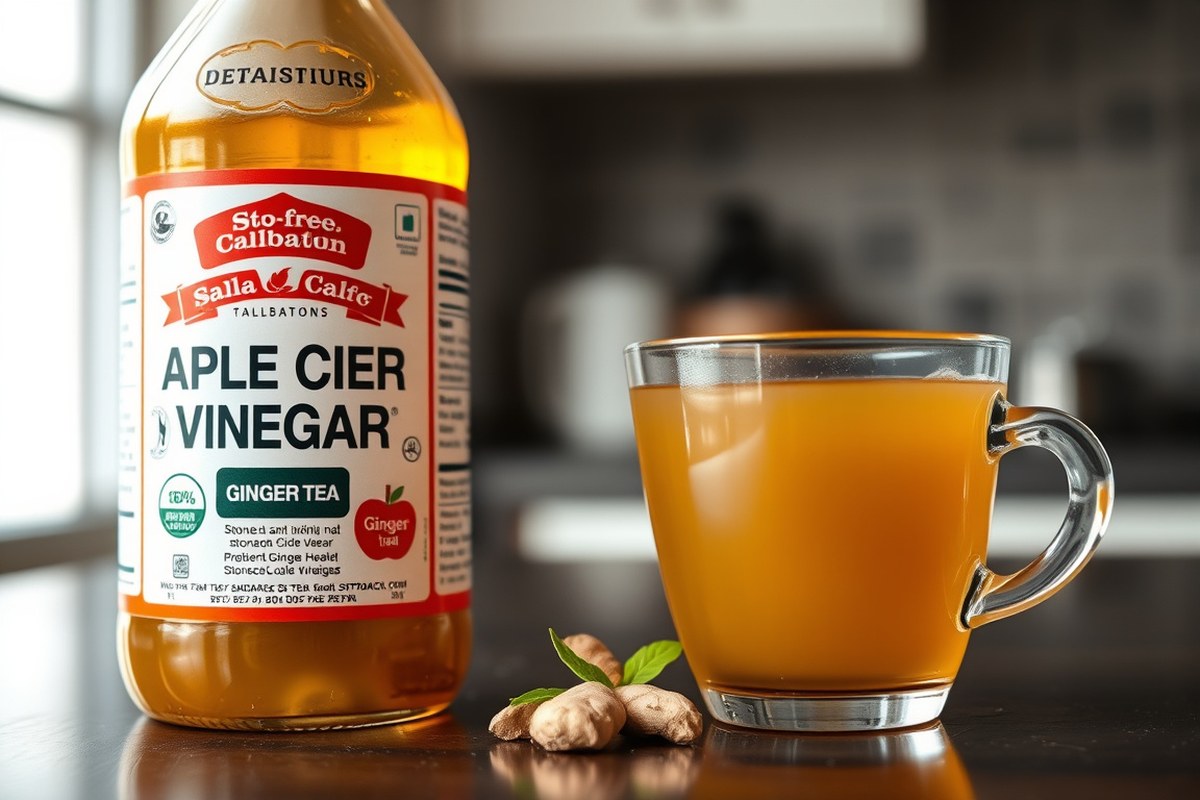
| Apple Cider Vinegar (ACV) | Mix 1 tablespoon in 8 ounces of warm water and drink before meals. | ACV contains probiotics and can soothe gastritis, aid digestion, and reduce bloating linked to H. Pylori infection. | 30 minutes to 2 hours. | Use diluted to prevent throat irritation. Avoid if you have ulcers or acid reflux without doctor approval. |
| Peppermint Oil or Tea | Drink peppermint tea (1 tea bag steeped 5-10 minutes) or use diluted peppermint oil capsules. | Peppermint relaxes stomach muscles, reducing cramps and gas; has proven benefits for irritable bowel symptoms. | 15 to 60 minutes. | Avoid if you have GERD or acid reflux as it may worsen symptoms. |
| Chamomile Tea | Steep 1 chamomile tea bag in hot water for 5-10 minutes. | Chamomile reduces stomach inflammation and calms anxiety-related abdominal pain. | 30 minutes to 1 hour. | Can cause allergic reactions in people sensitive to ragweed; avoid if pregnant without doctor advice. |
| BRAT Diet (Bananas, Rice, Applesauce, Toast) | Eat small portions of bland, low-fiber foods. | Helps rest the digestive system and reduces irritation during stomach upset or diarrhea. | 1-3 days to improve symptoms. | Should be short-term. Not adequate for balanced nutrition if prolonged. |
| Heat Therapy | Apply a warm heating pad (best 104-113°F) to the abdomen for 15-20 minutes. | Heat helps relax abdominal muscles and reduces cramping pain by increasing blood flow. | Immediate to 30 minutes relief. | Avoid heat directly on skin; use a cloth barrier. Do not fall asleep with the device on. |
Ginger tea stands out for its quick effect on nausea and pain, and you can make it from scratch with fresh ginger or tea bags at a low cost. Apple cider vinegar offers benefits for some stomach issues but should never be taken undiluted to avoid irritation. Peppermint products are useful but can worsen acid reflux for some people. The BRAT diet supports gentle digestion but is not meant for long-term nutrition. Heat therapy is a low-cost, drug-free option that can soothe cramping muscles almost immediately, with basic precautions to prevent burns.
4. Diet Tips for Soothing Your Stomach: What to Eat and Avoid
To soothe your stomach when you have pain, following the BRAT diet can be helpful. The BRAT diet stands for bananas, rice, applesauce, and toast, and these bland foods are gentle on your digestive system and can reduce irritation. Eating these foods slows digestion slightly, which can give your stomach time to recover, especially when your stomach ache is caused by upset or diarrhea. This diet is intended as a short-term solution, usually for a day or two, rather than a long-term eating plan.
While on the BRAT diet, avoid fatty foods, processed snacks, and any foods that you know trigger your symptoms. For instance, many people find that high-FODMAP foods, which include certain fruits, vegetables, and dairy products, can worsen symptoms like gas and bloating. Spicy foods, caffeine, alcohol, and acidic foods may also irritate your stomach further, so it’s best to skip those until your pain eases. Carbonated drinks might increase gas and discomfort, so it’s wise to avoid these too.
In addition to bland foods, certain drinks and herbs can soothe your stomach. Peppermint and spearmint contain menthol, which can relax your digestive tract muscles and relieve pain. Warm water or herbal teas without caffeine also help keep you hydrated and calm your stomach. Staying hydrated is important, but sip fluids slowly to avoid triggering more discomfort.
- Eat small, frequent meals of bland foods like bananas, rice, applesauce, and toast.
- Avoid greasy, fried, spicy, or highly processed foods.
- Stay away from caffeine, alcohol, acidic foods, and carbonated drinks.
- Try peppermint or spearmint tea to help ease pain.
- Drink warm water or herbal teas slowly throughout the day.
- Seek medical advice if pain worsens or lasts more than a couple of days.
Some people experience relief from stomach acid by eating foods that are less likely to increase acid production, which can help conditions like gastritis or ulcers. Foods like oatmeal, non-citrus fruits, and cooked vegetables might be tolerated better than raw or spicy options. Paying attention to how different foods affect you can guide you to the best diet during your recovery. Contact a healthcare professional promptly if your stomach ache comes with additional symptoms like fever, vomiting, or severe pain.
5. When to See a Doctor: Warning Signs and Decision Checklist
Intense stomach pain that appears suddenly or continues for several days, especially when paired with symptoms like high fever, ongoing vomiting, or blood in vomit or stool, requires urgent medical evaluation. These signs could point to serious issues such as appendicitis, gallstones, or infections needing swift care. Use the following checklist to decide whether to seek medical help immediately or monitor symptoms at home more cautiously:
- Sustained high fever (above 101°F)
- Repeated vomiting, especially unable to keep fluids down
- Visible blood in vomit or stool
- Severe, sudden abdominal pain that does not improve
- Pain that wakes you from sleep or worsens at night
- Persistent stomach ache lasting more than 48 to 72 hours
- Signs of dehydration like dizziness, dry mouth, or decreased urination
These symptoms can point to serious medical issues that require evaluation and treatment. Emergency medical care is necessary if pain is accompanied by fainting, difficulty breathing, or if blood loss is suspected.
A practical approach is to give mild stomach discomfort a day or two for home remedies and rest. If symptoms worsen or fail to improve within 48 to 72 hours, call your healthcare provider. Keep a record of your pain severity, related symptoms, and any home remedies tried. This information helps your doctor determine the best course of action.
Always seek immediate medical care if you experience blood in vomit or stool or sudden, severe abdominal pain accompanied by high fever or dizziness.
6. Common Mistakes When Treating Stomach Ache at Home and How to Avoid Them
One common mistake when treating a stomach ache at home is overdosing baking soda or antacids. Baking soda neutralizes stomach acid but must be used carefully. Taking more than half a teaspoon dissolved in a half glass of water at a time can cause side effects like gas, bloating, or even alkalosis, a rare condition from too much base in the blood. Use it sparingly and wait at least two hours before repeating the dose. Always follow package instructions or consult a pharmacist.
Drinking water too quickly is another frequent error. Many people try to gulp down large amounts to flush the stomach, but drinking rapidly can increase nausea or vomiting. Sip water slowly, around 1 to 2 ounces every few minutes. This approach helps relieve dehydration and supports digestion without overwhelming your stomach.
Eating spicy or fatty foods too soon after stomach pain starts can make symptoms worse. These foods stimulate acid production and irritate the stomach lining. Avoid spicy dishes, greasy meals, caffeine, and tobacco until your discomfort lessens. Stick to bland, easy-to-digest foods like bananas, rice, toast, or applesauce initially.
Wrong hydration choices can also delay recovery. Sugary sodas or caffeinated drinks may worsen irritation or dehydration. Plain water or seltzer water without added sugar or caffeine is a better option to soothe discomfort. Here are common mistakes to avoid and basic tips for managing stomach pain at home:
- Overusing baking soda: limit to half a teaspoon in half a glass of water, no more than every 2 hours
- Drinking water too fast: sip slowly to prevent nausea or vomiting
- Eating spicy or fatty foods prematurely: wait until symptoms improve
- Choosing sugary or caffeinated drinks for hydration: use plain or sparkling water instead
- Taking over-the-counter painkillers like ibuprofen without consulting a doctor, since they may worsen stomach issues
- Ignoring rest: allow your body time to heal by avoiding strenuous activities
Following these guidelines will better support your stomach’s recovery. Proper use of antacids like baking soda requires careful measurement to avoid side effects or worsening symptoms. Drinking water at a slow, steady pace helps maintain hydration without forcing your stomach to react negatively. Sticking to a bland diet and avoiding irritants lets your stomach lining repair itself. When in doubt about medicines or worsening pain, seek advice from a healthcare professional.
7. How to Manage Stomach Pain Caused by Specific Conditions
Managing stomach pain depends on its specific cause, such as indigestion, gas, constipation, or menstrual cramps. Treatments focus on relieving symptoms with targeted home remedies and lifestyle adjustments. Exercise and sleep positions also influence pain and recovery.
Indigestion and Acid Reflux Relief
Indigestion often results from eating hard-to-digest foods, leading to pain and excess stomach acid. Acid reflux, including GERD, causes burning sensations along with stomach discomfort. Reducing acid through antacids like Pepcid AC or Zantac 75 can provide quick relief for acid-related discomfort.
To ease indigestion, adopt slow, small meals and avoid fatty or spicy foods that trigger symptoms. Drinking warm water after meals can aid digestion. Over-the-counter antacids neutralize stomach acid, while acid reducers lower acid production; both should be used according to package instructions or a doctor’s advice.
Constipation and Gas Management
Constipation causes stomach pain through bowel blockage and pressure buildup. Gas leads to bloating and sharp discomfort. Both conditions often improve with dietary changes and home remedies.
Adding fiber-rich foods like fruits, vegetables, and whole grains helps regulate bowel movements. If constipation persists, a fiber-based laxative like Metamucil (psyllium) can soften stools. Yogurt with probiotics supports gut health and digestion. An Epsom salt bath (magnesium salt) may relieve constipation pain and stimulate digestive movement.
- Increase fiber intake by adding 5-10 grams daily, aiming for 25-30 grams total.
- Stay hydrated, drinking at least 8 cups of water per day.
- Try over-the-counter fiber supplements if diet changes are insufficient.
- Consider probiotics from yogurt or supplements to balance gut bacteria.
- Use a heating pad on the abdomen to ease gas-related cramps.
Persistent bloating or gas pain lasting over a few days should be evaluated by a healthcare provider to rule out serious conditions.
Menstrual Cramps and Stomach Pain Strategies
Menstrual cramps cause muscle spasms in the uterine area that can feel like stomach pain. Heat therapy effectively relaxes these muscles and reduces cramping intensity. Applying a heating pad or hot water bottle to the lower abdomen for 15-20 minutes can bring comfort.
Nonsteroidal anti-inflammatory drugs (NSAIDs) such as ibuprofen help reduce inflammation and pain. Gentle stretching or light exercise may ease cramps by improving blood flow. Avoid heavy lifting or intense workouts during severe cramping. Maintaining a balanced diet and reducing caffeine can also decrease cramp severity over time.
Sleep and Exercise Recommendations
Exercise effects on stomach pain depend on the cause. Light to moderate activity like walking often eases gas and constipation by stimulating digestion. Vigorous exercise is not recommended during severe pain or menstrual cramps, as it may worsen symptoms.
Sleep position can influence stomach discomfort. Resting on your left side may aid digestion and reduce acid reflux by helping stomach contents flow more smoothly. Avoid lying flat immediately after eating to prevent acid backup. Using a wedge pillow to improve the upper body can also reduce reflux symptoms during sleep.
- Walk for 10-20 minutes after meals to improve digestion.
- Avoid strenuous exercise when experiencing intense abdominal pain.
- Lie on your left side to help lower acid reflux and ease digestion.
- Improve your torso by 6-8 inches using a wedge pillow at bedtime.
- Try relaxation exercises or gentle yoga stretches to relieve menstrual cramp pain.
Healthy lifestyle practices such as stress management, good hydration, and balanced diet lower the chance of recurring stomach aches. Persistent or worsening pain requires medical evaluation.
8. Hydration, Over-the-Counter Medicines, and Natural Teas for Relief
Staying properly hydrated supports your body’s healing process when you have a stomach ache. Over-the-counter (OTC) medicines can relieve symptoms like indigestion, acid reflux, or gas, but they must be used safely. Alongside ginger and chamomile, several natural teas can soothe stomach pain without side effects.
Proper Hydration and Drinking Tips
Drinking enough water helps maintain digestion and flush out irritants that may cause stomach discomfort. Drinking one glass of water slowly over two hours is a good rule to avoid overwhelming your stomach. Too much water too fast can sometimes worsen nausea or cramping.
Drinking warm water combined with a teaspoon of honey and some lemon juice can soothe your stomach by easing inflammation and regulating acidity. Consuming moist fruits like bananas may also help because they function as natural antacids and reduce irritation caused by stomach acid.
- Drink small sips of water frequently, rather than large amounts at once
- Choose warm water over cold to avoid shocking your digestive system
- Include natural soothing ingredients like honey and lemon
- Use hydrating fruits such as bananas for additional relief
- Avoid caffeinated or sugary drinks that can worsen stomach upset
Don’t chug water quickly during a stomach ache; sipping helps prevent triggering nausea or cramps.
Safe Use of OTC Medicines
Several OTC medicines target specific causes of stomach pain. For indigestion or acid reflux, antacids like Tums, Rolaids, or Mylanta neutralize stomach acid and can work within minutes to reduce burning pain. Gas-related discomfort responds well to products containing simethicone, such as Gas-X or Mylanta Gas, which break up gas bubbles.
Always follow package directions exactly and avoid taking more than the recommended dose. If you have chronic conditions, take other medications, or are pregnant, consult a pharmacist or doctor before using OTC options. Overuse of antacids can sometimes cause side effects such as constipation or diarrhea.
- Use antacids to quickly neutralize excess stomach acid
- Take simethicone-containing medicines for gas and bloating
- Read labels to understand proper dosage and warnings
- Avoid combining multiple OTC stomach remedies without advice
- Stop use and seek medical advice if symptoms persist beyond a few days
OTC medicines are for temporary relief; persistent pain requires medical assessment.
Natural Teas Beyond Ginger and Chamomile
Peppermint tea is another well-known natural remedy that can ease stomach pain by relaxing the muscles of the digestive tract and reducing spasms. Peppermint also helps relieve bloating and discomfort associated with gas. You can chew boiled peppermint leaves or drink peppermint tea for the same benefits.
Fennel tea offers relief by reducing gas, cramping, and inflammation. It works as a mild antispasmodic and has a pleasant licorice flavor. Licorice root tea can also soothe the stomach lining by protecting it from excess acid and inflammation, but it should be used cautiously and not for extended periods, especially if you have high blood pressure.
- Peppermint tea to relax digestive muscles and reduce cramps
- Fennel tea for gas relief and inflammation reduction
- Licorice root tea to protect and soothe the stomach lining
- Chewing herbal leaves when tea is not an option
- Drink teas warm, not hot, to avoid irritating your stomach
Limit licorice root tea usage and avoid if you have high blood pressure or heart issues.
Step-by-Step Action Plan to Relieve Your Stomach Ache
Follow these steps to ease your stomach pain safely at home, understand what might be causing it, and know when to seek medical help.
- Right Away: Sip small amounts of water or natural herbal tea like peppermint or ginger. When the pain lessens within 30 minutes, you are likely staying hydrated and calming your stomach.
- Within 1 Hour: Avoid solid foods and eating heavily. Try the BRAT diet (bananas, rice, applesauce, toast) if hungry. Relief or no worsening of pain by mealtime means your stomach is responding well to gentle foods.
- Next 2-4 Hours: Apply a warm compress or heating pad to your abdomen for 15-20 minutes. Less pain or loosening of tightness indicates muscle relaxation and improved comfort.
- By End of Day 1: Note any new or severe symptoms such as high fever, persistent vomiting, or bloody stools. These warning signs mean you should call a healthcare provider promptly.
- Day 2: Gradually reintroduce bland, low-fat foods while avoiding spicy, acidic, or greasy items. When pain remains mild or improves, continue this diet for the next few days.
- Days 3 to 7: Monitor your stomach pain for any patterns or triggers like stress or certain foods. Once you identify consistent causes, adjust your diet or lifestyle accordingly to prevent recurrence.
- After 1 Week: If stomach pain persists or worsens despite these measures, schedule a visit with your doctor to check for specific conditions and get targeted treatment.
Frequently Asked Questions
How Do You Get Rid of a Stomach Ache in 5 Minutes?
To relieve a stomach ache quickly, try sipping warm water or using a heating pad. Mild movement like walking can also help ease discomfort from gas or indigestion fast.
Can Oatmeal Help Soothe Stomach Pain?
Yes, oatmeal is a gentle food that soothes the stomach lining and reduces irritation. It’s easy to digest and can provide relief from abdominal pain.
Are Carbonated Drinks Good for Stomach Aches?
Carbonated beverages can help release trapped gas and reduce bloating which may ease stomach pain. Drink them slowly to avoid worsening gas.
How Long Should You Try Home Remedies Before Seeing a Doctor?
Try home remedies for two to three days if pain is mild without other symptoms. Seek medical help sooner if pain worsens or other signs appear.
Can Stress Cause Stomach Aches, and How Do You Manage It?
Stress can provoke stomach pain by affecting digestion. Managing stress through deep breathing or meditation often helps reduce discomfort.
Does Drinking Water Help with Stomach Pain?
Drinking water aids digestion and flushes out irritants, which can relieve stomach ache. Staying hydrated is important but avoid gulping large amounts quickly.
Before You Go
Getting rid of a stomach ache often starts with understanding your symptoms and choosing the right home remedy based on the cause. You can try sipping ginger tea today to calm your stomach and reduce nausea. If your pain worsens or persists beyond a day, don’t hesitate to contact a healthcare professional for a proper evaluation and treatment plan.



One Comment