

How to Get Rid of Flies in House: 8 Proven Steps for Fast Results
To get rid of flies in house quickly, focus on eliminating their entry points and breeding sources, setting up effective traps, and maintaining clean, cool indoor conditions. Using natural repellents and proper home care prevents return infestations without relying heavily on pesticides. Start by identifying what type of flies you’re dealing with and act fast to stop them multiplying.
This advice is designed for homeowners, renters, and DIY enthusiasts who want practical and proven steps to deal with flies. You’ll find easy-to-follow methods for fast fly removal, plus tips on prevention, natural remedies, and when to consider professional help. These eight steps cover everything from quick fixes to long-term solutions to keep your home fly-free.
Key Takeaways
- Keep your home below 72°F to reduce fly activity, since they thrive between 70°F and 90°F.
- Spend 10 minutes locating fly hotspots indoors before buying traps or sprays to target breeding sources effectively.
- Place fly traps at least 5 feet away from food preparation areas to prevent contamination from spreading bacteria.
- DIY fruit fly traps cost under $1 and work well, but they take 5 to 10 days to fully eliminate flies.
- Use natural repellents like citronella candles or essential oils to deter flies without chemicals indoors.
- Regular cleaning and sealing garbage, food, and drains help prevent fly infestations and eliminate breeding grounds.
1. Why Are Flies Entering Your House Suddenly?
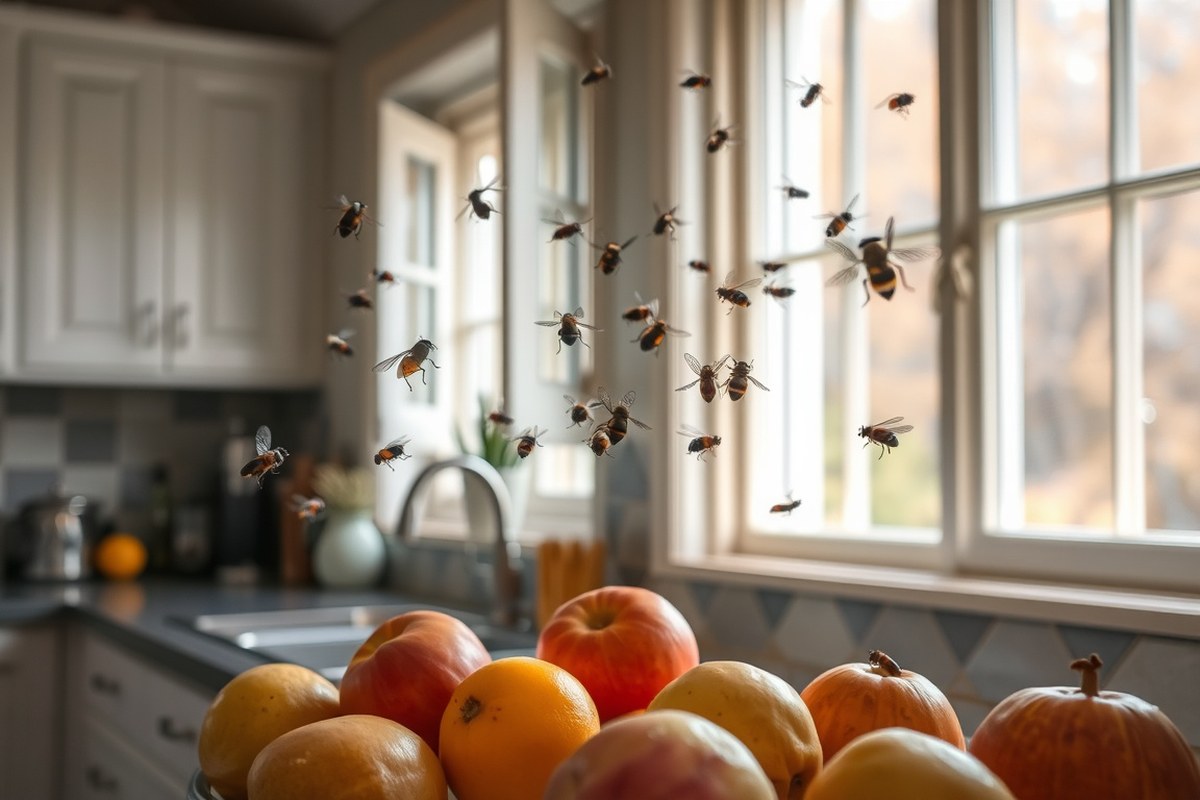
You may notice flies suddenly appearing in your house because they are attracted to food sources, moisture, and warm temperatures inside. Flies breed quickly, and common household factors like uncovered trash, spilled food, or pet waste provide ideal spots for them to thrive. Keeping garbage sealed and removing animal droppings promptly are essential because flies can breed in pet droppings and dirty diapers left inside. If such attractants remain, flies will keep coming back.
Indoor flies are drawn to the odors from food scraps, rotting fruit, or even damp conditions found in sinks or drains. Flies can lay eggs on these organic materials, allowing larvae to develop into adult flies within days. Therefore, household mistakes like leaving dirty dishes out, neglecting to clean spills, and not emptying trash cans regularly invite flies in and support their breeding. You should frequently check and maintain cleanliness, especially in kitchens and pet areas, to cut off these food sources.
Temperature plays a significant role in fly activity inside your home. Flies thrive in warm conditions around 80°F or higher, making summer months the peak time for infestations. Maintaining your home’s indoor temperature at about 72°F or cooler reduces fly activity because flies prefer the heat to stay active and reproduce rapidly. Similarly, high indoor humidity creates a favorable environment for flies and their larvae, so using a dehumidifier in damp spaces can help limit their breeding opportunities.
Seasonal changes influence fly problems, with the most common infestations occurring in late spring through early fall. During warmer months, flies are more active outdoors and frequently enter homes searching for food and shelter. Pay attention to open windows, doors, and cracks where flies can enter. Adding screens and sealing gaps can prevent sudden invasions. In colder months, fly activity tends to decrease but does not completely stop, especially if your home offers warmth and food sources.
You may also find a sudden increase of flies if a hidden breeding site develops inside or near your home, like a forgotten piece of fruit behind furniture or damp organic debris. To detect the attractant, observe where flies gather most and inspect these areas carefully. Sometimes, fly papers can reveal a larger infestation than expected, indicating the need to look harder for the source. Removing the source promptly prevents new flies from hatching and spreading, which is key to controlling the problem effectively.
2. How to Identify Indoor Fly Types and Their Breeding Sources
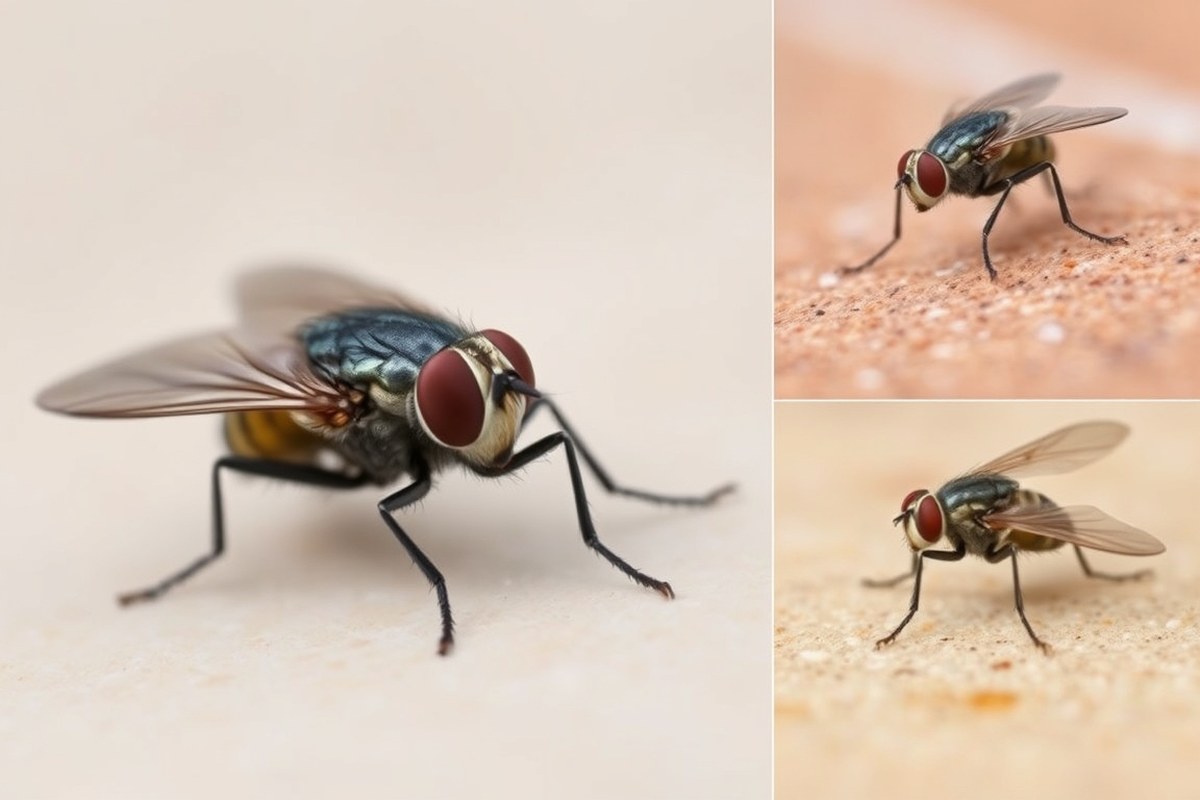
To effectively deal with flies indoors, you need to know which fly species you are facing and where they breed. House flies, fruit flies, drain flies, and cluster flies have distinct features and breeding environments. Identifying them helps target your control efforts and eliminate their sources.
House Flies: Identification and Habitats
House flies are about 1/4 inch long with grayish bodies and four dark stripes on the thorax. Their eyes are red and they have slightly hairy bodies. They are strong fliers and often rest on walls, countertops, or near trash. House flies breed outdoors and indoors in moist decaying organic matter such as garbage, pet waste, or spoiled food. Their larvae hatch in about 8 to 20 hours under warm conditions, and pupation can take 3 to 6 days, making quick removal of breeding spots important.
House flies are attracted to fermenting or decaying organic material commonly found in kitchen trash bins, compost containers, or pet areas. Regularly cleaning these spots and sealing garbage bags prevents house flies from multiplying inside your home.
Fruit Flies: Signs and Breeding Spots
Fruit flies are smaller, about 1/8 inch long, with tan or light brown bodies. They have bright red eyes and often hover around ripening fruits, vegetables, or sugary liquids. You’ll spot them near kitchen counters, trash bins, or drains with organic buildup. They breed in fermenting foods and liquids, and their eggs can hatch in as little as 24 to 30 hours. Fruit flies multiply rapidly, so finding and removing fermenting produce and cleaning receptacles promptly is key to control.
Look carefully for overripe or rotting produce, food spills, and residues inside bottles or cans. Even a forgotten bag of trash or a sticky kitchen surface can produce enough organic matter for fruit flies to thrive.
Drain Flies: Appearance and Common Sources
Drain flies are fuzzy, moth-like insects roughly 1/8 inch long with broad wings covered in fine hairs. They move slowly and are often found near sinks, bathtubs, floor drains, and other moist areas with decomposing organic material. Their larvae feed on the slime and organic buildup inside drain pipes. Drain flies breed in these pipes where food waste accumulates, making the drain the key breeding site to eliminate.
Running hot water or pouring boiling water down drains can help remove buildup. Mechanical drain cleaning tools or specialized drain cleaning gels targeted for organic matter might be necessary. Avoid relying on bleach or typical chemical cleaners, as they rarely eliminate fly larvae inside pipes.
Differentiating Cluster Flies from Others
Cluster flies are larger than house flies, about 3/8 inch long, with a distinctive golden or yellowish sheen on their thorax because of fine yellow hairs. They move sluggishly compared to house flies and tend to gather in large groups or “clusters” mostly during cooler months as they seek warmth indoors. Cluster flies do not breed inside houses but lay eggs in soil, usually near earthworm burrows which their larvae parasitize.
You’ll notice cluster flies near windows, attics, or wall spaces where they gather to overwinter. Unlike house or fruit flies, their control doesn’t focus on indoor breeding but on preventing their entry and physically removing clusters. Sealing gaps around windows and doors and repairing screens can help keep cluster flies out.
Check potential breeding sites in every room where flies appear, fruit bowls, trash bins, sinks, drains, and pet areas, to identify the fly species and address their source.
3. Fast and Effective Methods to Kill or Trap Adult Flies Indoors
The fastest ways to eliminate adult flies indoors include using vinegar and dish soap traps, fly paper, light traps, or a fly swatter for immediate results. These methods vary in speed and safety, with traps usually starting to work within an hour. Some options pose little risk around children and pets, while others may require supervision or proper placement.
Vinegar and Dish Soap Traps
Mix apple cider vinegar with a few drops of dish soap and pour it into a shallow bowl to create an effective homemade fly trap. The strong vinegar smell attracts flies, while the dish soap breaks the surface tension, causing flies to drown when they touch the liquid. Setting this trap takes under two minutes, and you can expect flies to start gathering within an hour.
This method costs less than $5 when using common household ingredients and is safe around children and pets since it contains no chemical pesticides. Place multiple traps near fruit bowls, trash cans, or other fly hotspots for best results. If the traps don’t seem effective after a day, replace the mixture with fresh vinegar and soap to maintain attraction.
Fly Paper and Light Traps
Sticky fly strips and light traps offer convenient ways to catch moderate numbers of indoor flies. Fly paper hangs on walls or near windows and traps flies on its sticky surface. Light traps use UV light to attract flies to an adhesive board or an electric grid that kills them instantly. These devices start reducing fly populations soon after installation, typically within hours to days depending on fly activity.
Fly paper is inexpensive, usually costing $3 to $10 per pack, but some people find the appearance unpleasant indoors. Light traps range from $25 to $80 and suit continuous indoor use. Both should be placed out of reach of children and pets to avoid accidental contact with sticky surfaces or electric parts.
| Product Type | Best Product Options | Best For | Price Range |
|---|---|---|---|
| Sticky Fly Strips | RESCUE! Sticky Strips, Black Flag Fly Paper | Light, moderate fly presence | $3, $10 |
| Fly Bait Stations | Farnam QuikStrike, Golden Malrin | Kitchens, trash areas | $10, $25 |
| UV Light Traps | Aspectek 20W, Flowtron BK-15D | Indoor continuous use | $25, $80 |
| Plug-In Repellers | Neatmaster Ultrasonic Repeller | Rooms, offices | $15, $40 |
| Insect Sprays | Raid Flying Insect Killer, Hot Shot | Immediate knockdown | Varies |
Choose the product type based on your fly presence and where the flies concentrate indoors. Sticky strips and bait stations suit smaller infestations or targeted spots, while UV traps work well for ongoing fly control in busy areas like kitchens and family rooms.
Using Fly Swatters Safely
A fly swatter offers the most immediate way to kill individual flies inside your home. Swinging the swatter can instantly kill or stun a fly, allowing you to dispose of it right away. It requires no setup time or chemicals and costs less than $10 for a basic plastic model.
Use a fly swatter in open areas to avoid damaging walls or objects. Be careful when swatting near fragile items or pets that might get startled. Flying insects caught midair will not spread bacteria, unlike squashed flies on surfaces, so cleanup after use is simpler.
UV Light Traps: Usage and Safety
UV light traps attract flies using ultraviolet bulbs, then trap or kill them on an internal sticky board or electric grid. These traps are ideal for continuous indoor use where a persistent fly problem exists. Turn them on in rooms such as kitchens, living rooms, or basements for several hours daily to maintain low fly populations.
Light traps should be mounted at least 5 feet off the ground and away from children’s reach. The adhesive boards collect many flies but must be replaced every few weeks to maintain effectiveness. UV light traps do not emit harmful chemicals and are safe around pets as long as the trap remains intact and properly maintained.
4. DIY Fly Traps: Which Ones Work Best and How to Make Them
Homemade fly traps are an affordable and practical way to reduce flying pests indoors. Most effective traps target fruit flies, but several work moderately well against houseflies too. These traps generally cost under $1 to make and rely on simple, easy-to-source ingredients.
The most common homemade trap uses apple cider vinegar and dish soap. Flies are attracted to the vinegar’s sweet smell. Add about 1/2 cup of apple cider vinegar to a bowl, then stir in a few drops of liquid dish soap. The soap breaks the surface tension, causing flies to sink and drown. Cover the bowl with plastic wrap and poke small holes to let flies in but not out. Replace the vinegar every 3 to 5 days because it loses its potency and debris buildup reduces effectiveness.
Another method uses a sugar and water mixture combined with a small piece of ripe fruit inside a jar covered by plastic wrap with holes or a paper funnel. This works well for fruit flies but takes up to 24 hours before catching many. Keep traps away from food prep areas to prevent contamination, as flies carry bacteria.
| Trap Type | Materials Needed | Cost per Trap | Effectiveness | Replacement Frequency | Best Use |
|---|---|---|---|---|---|
| Apple Cider Vinegar & Soap Trap | Apple cider vinegar, dish soap, bowl, plastic wrap | Under $1 | Excellent for fruit flies, moderate for houseflies | Every 3-5 days | Indoor kitchens, near fruit bowls |
| Sugar Water & Fruit Jar | Sugar, water, ripe fruit, jar, plastic wrap or funnel | Under $1 | Good for fruit flies | Every 4-7 days | Near fruit sources or compost areas |
| UV Light (Electric Fly Killer) | Electric fly trap with UV light | $15-$50 upfront | Moderate to high for houseflies | Clean grid and replace glue boards monthly | Indoor rooms, kitchens, garages |
UV light traps, also called electric fly killers, are more expensive but offer continuous trapping of flies where installed. They work especially well on houseflies, which are less attracted to sweet baits. These traps need cleaning and maintenance monthly but avoid chemicals and provide 24/7 protection.
Traps based on bait and liquids rely heavily on fresh attractants. Over time, vinegar or sugar water ferments or evaporates, making replacement necessary every few days to a week. If traps fill with dead flies, clean and refresh bait to maintain trap efficiency. Some homemade traps capture only a few flies daily, so multiple traps spread through problem areas help.
5. Natural Fly Repellents: Essential Oils and Plants That Work
Essential oils and certain plants offer effective natural options for repelling flies indoors without using chemicals. Essential oils like peppermint, eucalyptus, and lavender create scents flies dislike, which helps keep them away when applied or diffused near entry points and common fly areas. You can also grow specific plants indoors or outdoors that naturally deter flies, complementing other control methods.
Top Essential Oils for Fly Repellent
Several essential oils have qualities that repel flies by affecting their sensory receptors. Peppermint oil contains strong menthol that irritates flies, making it effective as a spray diluted with water around doors and windows. Eucalyptus oil can be used in a diffuser or applied on cotton balls near entrances to discourage flies from entering.
Lavender oil’s intense floral compounds also repel flies; it works well in sachets, sprays, or diffusers placed in fly-prone rooms. Lemongrass has citral, a compound toxic to insects, making it suitable for use in natural candles or diluted in spray form on surfaces. Clove oil, with its high eugenol content, can repel a variety of insects and is often used on cotton balls or potpourri.
- Spray a 5% dilution of peppermint or lemongrass essential oil around doors and window sills daily
- Use a diffuser with eucalyptus or lavender oil in living areas for continuous repellent effect
- Apply a few drops of clove oil on cotton balls placed near trash bins and kitchen counters
- Reapply sprays or refresh diffusers every few hours for best results indoors
- Avoid direct contact of oils with skin or pets; always dilute appropriately
These oils provide a natural and pleasant-smelling way to reduce flies indoors. Their repellent effect tends to be strongest within two to three feet from where the oil is diffused or sprayed, so apply near fan operation or closer to common fly entry points.
Indoor and Outdoor Fly-Repelling Plants
Certain plants repel flies naturally due to their scent or chemical compounds. Growing these plants indoors, near windows or doors, helps create a barrier flies tend to avoid. Popular options include basil, mint, lavender, and rosemary. Each emits odors flies dislike, significantly reducing fly presence in those areas.
Outdoors, plants such as citronella grass and marigolds can help keep flies at bay near patios or entry zones. Also, the Venus flytrap is a unique option that physically traps flies, reducing numbers nearby, but it requires bright light and moist soil to thrive indoors.
- Place potted basil, mint, or lavender plants on kitchen windowsills or entryways
- Use citronella grass or marigolds around outdoor seating areas
- Keep Venus flytraps as a supplemental fly catcher in sunny indoor spots
- Regularly trim and water plants to maintain their health and repellency strength
- Combine plants with essential oil sprays for improve fly prevention
Having these plants acts as a natural fly deterrent and adds green decor with no chemical risk. Flies tend to avoid these smells, so maintaining fresh, healthy plants is essential for the best effect.
Using Citronella Candles and Coils Safely
Citronella candles and coils contain citronella oil, a citrus-based scent that flies find unpleasant. They are commonly used outdoors to reduce flies and mosquitoes, such as during barbecues or on patios. These candles and coils work by releasing the oil’s aroma when burned, creating a fly-repelling zone approximately a few feet around the candle.
For indoor use, citronella candles should be used cautiously because smoke can irritate respiratory airways, especially for people with asthma or allergies. Coils are generally not recommended indoors due to possible harmful fumes. Instead, opt for essential oil diffusers or sprays for safe indoor repellency.
Burning citronella candles indoors can cause respiratory irritation; use them only in well-ventilated areas and never leave them unattended.
When hosting outdoor events, placing citronella candles at table edges or near fly-prone spots can reduce fly numbers effectively. Typically, natural soy wax citronella candles cost between $5 to $15 each and last several hours, making them an affordable and toxin-free option. Keep candles away from flammable materials and children while in use.
6. Cleaning and Home Maintenance to Prevent Fly Infestations
A clean home and sealed entry points are your best defense against fly infestations. Flies are drawn to food odors, organic debris, and open access, so focusing on removing attractants and blocking their entry significantly reduces their presence. Regular cleaning eliminates eggs and larvae, stopping the cycle before it can start. Sealing your home keeps flies from sneaking inside, especially in warm seasons when windows or doors might remain open for ventilation.
Fly eggs and larvae thrive in moist organic material, often found in trash, spoiled food, or dirty drains. Thorough cleaning routines targeting these sites help prevent larvae from developing into adult flies. Also, keeping traps or repellents a safe distance from food prep areas avoids accidental contamination while still deterring flies effectively.
- Remove food sources promptly. Store all food in sealed containers and clean up crumbs, spills, and pet food immediately. Take out trash daily and use bins with tight lids to prevent attracting flies.
- Clean kitchen and dining surfaces thoroughly. Wipe counters, stovetops, and tables with a disinfectant daily, especially after cooking or eating. Clean drains with a brush and a mild bleach solution weekly to kill larvae hiding there.
- Eliminate fly breeding spots. Check moist areas like compost bins, garbage disposal units, and recycling containers regularly. Empty and wash compost bins weekly and keep organic waste sealed.
- Vacuum or swat visible adult flies. Remove flies to reduce adult presence but remember this won’t control larvae. Dispose of dead flies properly outside the home to avoid attracting more flies.
- Seal entry points around windows, doors, and vents. Install or repair tight-fitting window and door screens without tears or holes. Use weather stripping and door sweeps to close gaps under doors. Seal cracks or holes in walls and around plumbing with caulk or foam sealant.
- Keep windows and exterior doors closed when possible. On warm nights, keep windows closed or at least close curtains or blinds to prevent flies from entering even if windows are open.
- Place fly traps and repellents safely away from food prep areas. Position traps near doors, trash areas, or dark corners at least 3 to 5 feet away from cooking surfaces to avoid fly bodies or residue landing on your food.
- Maintain a regular cleaning schedule. Conduct these cleaning and inspection steps at least once a week to stay ahead of fly attraction and breeding.
Costs for sealing materials like weather stripping or screens typically range from $10 to $50, depending on the extent of application and materials chosen. Cleaning supplies such as disinfectants, brushes, and trash liners usually cost under $20 monthly. Effective results include noticeably fewer flying insects indoors, no signs of larvae or maggots, and no flies lingering near food prep or trash areas. Problems arise if debris or standing moisture is missed during cleaning or entry points are left unsealed, allowing flies to continue entering and breeding inside.
7. When to Use Insecticides or Call a Professional Exterminator
You can use insecticides indoors, but only with caution and the right products. Look for insecticides containing pyrethrin or synthetic pyrethroids, which are derived from chrysanthemum flowers and are effective against flies. Apply these sprays carefully around door and window frames, not broadly inside living spaces, to deter flies from entering. Always follow the label instructions to use them safely, especially around children, pets, and food preparation areas.
When natural remedies like DIY traps, houseplants with repellent properties, and thorough cleaning have been tried for 2 to 3 weeks without success, persistent flies indicate that chemical treatments or professional help might be necessary. Natural methods often reduce fly annoyance but don’t always eliminate established infestations. At this point, using an insecticide spray targeted to entry points and breeding sites can curtail the population faster. However, when fly numbers continue to rise or multiple breeding sources are spotted indoors, professional pest control is the next step.
Call a professional exterminator if flies keep coming back despite your efforts, if the infestation covers large areas of your home, or if the flies seem resistant to over-the-counter products. Professionals can identify hidden breeding sites, use more powerful and specialized insecticides, and apply treatments safely. They also offer follow-up visits to ensure long-term control. Costs for professional treatments typically range from $150 to $400 depending on infestation size and local rates. DIY methods, including traps and sprays, cost less upfront, around $20 to $50, but may require repeated effort and time.
A good decision rule is to try natural or low-toxicity methods first and monitor results for 2 to 3 weeks. When fly numbers do not drop or you notice new flies daily, step up to approved insecticide sprays around access points. Keep usage limited and targeted. When you still face a high number of flies or cannot find the breeding source, arrange a professional inspection and treatment. This approach balances safety, cost, and effectiveness while minimizing exposure to chemicals in your home.
8. Common Mistakes in Fly Control and How to Fix Them
Many people unknowingly worsen fly problems through common errors. Leaving food scraps or uncovered trash out invites flies indoors. Moisture from spilled drinks or damp organic matter also attracts them. Cleaning surfaces regularly and securing trash with tight lids reduce these breeding and feeding opportunities.
Trap placement strongly influences results. Traps near doors, kitchen appliances, or windows catch more flies since these spots are fly entry and gathering points. Corners help confine flies after capture, making collection and disposal easier. Avoid placing traps in open, well-lit areas or far from fly activity, where they lose effectiveness.
Killing flies indoors poses a risk of bacteria spread since house flies carry about 65 different diseases. Squashing them can spread germs through fluids and particles. Opt for traps that capture flies alive or contain them cleanly, like sticky boards or non-shocking UV light traps with glue surfaces to reduce contamination.
Proper disposal of trapped flies keeps your home hygienic. Use gloves or plastic bags to remove sticky traps or sealed containers without direct contact. Seal traps in a plastic bag before throwing them away and wash hands afterward. For DIY traps, pouring boiling water into the trap container after emptying ensures any bacteria are killed.
- Keep kitchen counters and dining areas free of crumbs and spills
- Securely cover all trash containers and remove garbage daily
- Place UV or sticky traps near entry points and appliances
- Change flypaper or glue boards every 1 to 2 weeks or when full
- Wear disposable gloves when handling traps to avoid germ exposure
- Dispose of traps in sealed plastic bags to prevent fly escape and odor
- Clean traps with boiling water or disinfectant after emptying, if reusable
Keep traps away from food prep areas to prevent accidental contamination from flies or chemicals.
Ignoring these practices often leads to persistent fly presence despite effort. Using multiple trap types, such as UV lights paired with sticky tapes, can improve capture rates. Regularly inspect and replace traps before they saturate or emit odors. These steps help maintain a fly-free indoor environment effectively and safely.
Step-by-Step Action Plan to Get Rid of Flies in Your House
Follow this plan to quickly identify why flies are invading your home, eliminate them safely, and keep them from coming back without extra hassle.
- Day 1: Inspect Entry Points and Breeding Areas. Check doors, windows, screens, and trash bins for gaps or damage and look for moist spots or decaying organic matter where flies breed. You’re on track when you’ve found and sealed all entry points and removed visible breeding sources.
- Day 1: Identify Fly Types. Observe the flies you see to determine if they are house flies, fruit flies, or drain flies by size, color, and behavior. Knowing the type helps target the right treatments and breeding spots, confirmed when you’ve labeled each fly type correctly.
- Day 1-2: Set Up Fast-Acting Fly Traps. Deploy sticky traps or light traps in common fly areas and place DIY fruit fly traps near fruit or trash. Effective traps will catch adult flies within 48 hours.
- Day 2: Use Natural Repellents. Apply essential oils like peppermint or citronella in diffusers or cotton balls around entry points and common fly hangouts. You’ll notice fewer flies nearby after 24 hours of use.
- Day 3: Clean and Maintain Your Home Thoroughly. Empty garbage regularly, clean sinks and drains, and wipe kitchen surfaces to remove food residue. Reduced fly sightings in 2-3 days means cleaning is working.
- Day 5: Reassess Trap Results and Home Conditions. Check traps and inspect for new flies or breeding signs. If fly numbers drop significantly, continue current efforts; if not, consider adding insecticides or consulting a professional.
- Week 2: Maintain Preventive Measures. Keep entry points sealed, clean regularly, and refresh repellents to avoid reinfestation. Sustained absence of flies after two weeks signals long-term control success.
Frequently Asked Questions
How Can I Make My Home Less Attractive to Flies Without Chemicals?
Keep food covered, clean spills promptly, and take out trash regularly to reduce fly attraction naturally. Don’t forget to fix window screens and seal entry points to keep flies outside.
Can Fans Help Keep Flies Out of My House?
Yes, using fans can deter flies by creating airflow that makes it hard for them to fly indoors. Place fans near doors or eating areas to keep flies away effectively.
Is It Safe to Use Fly Swatters or Electronic Zappers Indoors?
Fly swatters are safe and chemical-free, but electric zappers can produce noise and UV light. Choose swatters for small jobs inside to avoid disturbing family members.
How Fast Do Home-Made Fly Traps Work to Reduce Fly Numbers?
Homemade traps start trapping flies in hours but may take several days to reduce whole infestations. Use traps alongside preventive cleaning for best results.
Does Lowering Indoor Temperature Actually Reduce Flies Inside the House?
Yes, keeping your home around 72°F or cooler discourages flies because they prefer warm environments. Use air conditioning or fans to maintain these temperatures.
Are Essential Oil Repellents Effective Against All Types of House Flies?
Essential oils like eucalyptus and lavender repel many fly species but may vary in effectiveness. Regular application and combining oils can improve results indoors.
Before You Go
Getting rid of flies in your house requires understanding their habits and cutting off their access and breeding spots. Start by inspecting your kitchen and trash areas today, cleaning any spills and sealing food properly to make your home less inviting to flies. Taking this simple step can reduce the fly population and keep them from coming back.



One Comment