
How Does Pest Control Get Rid of Bed Bugs: 10 Proven Methods and Expert Tips
Professional pest control gets rid of bed bugs by combining targeted insecticides, heat treatments, and thorough inspections to kill live bugs and their eggs. Experts start by confirming the infestation, treating all hiding spots, and advising on steps you should take beforehand to improve results. They use repeat treatments and monitor the situation to prevent reinfestation.
This information suits homeowners, renters, and hospitality managers facing bed bug issues who need clear guidance on treatment options, preparation, costs, safety, and what to expect from a pest control service. You’ll learn about common challenges, how treatments work on eggs and furniture, and important questions to ask before hiring a professional.
Key Takeaways
- Professional pest control uses integrated methods like heat treatment, insecticides, and steam to eradicate bed bugs effectively.
- Preparing for treatment involves laundering bedding, vacuuming thoroughly, and decluttering to expose hiding spots for better insecticide penetration.
- Bed bug treatments typically take several hours per session, often requiring two or more visits spaced two weeks apart for complete elimination.
- Experts confirm infestations using visual inspections, monitoring devices, and canine scent detection to pinpoint bed bug presence and treatment success.
- Treatments target bed bug eggs with residual insecticides and heat, preventing reinfestation by killing all life stages of the bugs.
- Costs vary widely, influenced by infestation severity, treatment method, property size, and location; expect several hundred to over a thousand dollars.
1. How Do Professional Pest Control Companies Eliminate Bed Bugs?

Professional pest control companies use a combination of methods to eliminate bed bugs effectively. These include heat treatments, chemical insecticides, steam and vacuuming, and in some cases, freezing or newer technologies. Each method targets different bed bug life stages and infestation levels to ensure the problem is thoroughly addressed.
Heat Treatment and Its Effectiveness
Heat treatment involves raising the temperature in a living space to about 120°F to 140°F sustained for several hours. Bed bugs and their eggs cannot survive these temperatures, so the process kills them directly. Pest control professionals use specialized heaters and fans to circulate hot air evenly throughout the rooms, including inside walls, furniture, and mattresses where bed bugs hide.
This method is considered environmentally friendly because it requires no chemicals and leaves no residue behind. It usually takes 6 to 10 hours to complete, depending on the size of the area and the equipment used. One limitation is that some heat-sensitive belongings, such as electronics or vinyl items, may need to be removed or protected to avoid damage. Proper preparation and monitoring during the process are important to avoid missing insulated spots where bed bugs could survive.
Heat treatment costs vary by region and property size but typically range from $1,000 to $4,000 per session. It often requires only one treatment to kill active bed bugs but may need follow-ups to catch any survivors from eggs that hatch later. Overall, heat treatment is a proven method when performed by trained technicians with the right equipment.
Chemical Sprays and Pesticide Types
Chemical treatments remain common in bed bug control due to their ability to reach areas heat might not fully penetrate. Pest control professionals use sprays and dust formulations containing active ingredients such as pyrethroids, neonicotinoids, and desiccants. Each type targets bed bugs differently: pyrethroids affect their nervous system, neonicotinoids disrupt nerve transmission, and desiccants damage their outer protective layer, causing dehydration.
Sprays are applied to cracks, crevices, baseboards, and furniture seams where bed bugs hide. Dusts usually get placed in wall voids, electrical outlets, or behind outlets where spraying isn’t possible. Multiple insecticides might be combined to reduce the risk of resistance since bed bugs have grown tolerant to some chemicals over time.
Chemical treatments often require multiple visits spaced 10 to 14 days apart to address newly hatched bugs. Application must be done carefully to avoid exposing people and pets to toxic chemicals, following label instructions and safety guidelines. Cost depends on infestation severity and product brand, generally running from $300 to $1,500 per treatment. Mistakes like incomplete coverage or over-reliance on just one chemical type can reduce effectiveness.
Steam and Vacuuming as Supplemental Measures
Steam treatment heats surfaces to roughly 200°F, instantly killing bed bugs on contact, including eggs. Professionals use commercial steamers to treat mattresses, upholstery, and tight spaces where chemicals or heat might not reach effectively. Steam penetrates fabric fibers and cracks without chemicals, though its effectiveness depends on maintaining the correct temperature and moisture level during application.
Vacuuming physically removes bed bugs and eggs from infested areas, especially from carpeting and furniture. Pest control technicians use vacuums with strong suction and HEPA filters to trap bugs and prevent spreading. Because vacuuming alone won’t eliminate an infestation, it serves best as an initial or follow-up step combined with heat or chemical treatments.
Both steam and vacuuming require skill to be effective, particularly to avoid moving bed bugs to untreated areas. They generally add little extra cost beyond the main treatment, with steam often included in heat or chemical programs. Neglecting supplemental treatments can leave behind isolated bugs that lead to reinfestation.
Freezing and Other Emerging Technologies
Freezing treats bed bugs by exposing them to temperatures below 0°F for several days. Some pest control companies use portable freezing equipment to target small, contained items like luggage or clothing. While freezing can kill bed bugs effectively, it is less practical for whole-room treatments due to the time required and difficulty sustaining cold temperatures across an entire home.
Emerging technologies include heat vacuums that combine suction and heat, desiccant dusts with improved formulations, and use of carbon dioxide to starve bed bugs. Although promising, these newer methods usually complement rather than replace traditional heat and chemical approaches. Licensing and training remain necessary to apply any method safely and effectively.
Choosing the right combination depends on the infestation size, location, and your home’s contents. Professional pest control companies customize treatments to reduce risk, minimize damage to belongings, and increase the likelihood of total bed bug elimination.
2. What Preparation Steps Should I Take Before Bed Bug Treatment?

You should prepare your home thoroughly before the pest control team arrives to maximize the effectiveness of bed bug treatment. Proper preparation involves laundering fabrics, reducing clutter, and adjusting your living environment to help treatments reach hidden pests. These steps reduce the chance of treatment failure and speed up recovery.
Clothing and Linen Preparation
Gather all bedding, clothing, and fabric items in the infested area and launder them immediately. Washing with hot water, at least 120°F, kills bed bugs at all life stages. Drying on a high heat setting for at least 30 minutes further ensures elimination. For items that can’t be washed, sealing them in plastic bags for several weeks or using a heat chamber is necessary.
Sorting and packing fabrics carefully also helps the treatment process. Avoid shaking clothes out in untreated rooms to prevent spreading bugs elsewhere. Use sealed plastic bags or containers marked clearly to keep laundered items separate from potentially infested ones.
- Collect all bedding, clothing, curtains, and washable fabric items from the treatment area.
- Wash everything on the hottest water setting safe for the fabric.
- Dry all items on high heat for at least 30 minutes.
- Seal non-washable items in plastic bags, labeling with the date sealed.
- Do not bring clean clothes immediately back into the treated space without pest control advice.
- Inform the pest control provider about any large or special fabric items.
Do not skip laundering or high heat drying, this step greatly improves overall treatment success and reduces reinfestation risk.
Furniture and Clutter Management
Removing excess clutter around beds, furniture, and baseboards increases access to bed bugs hiding spots. Bed bugs hide in cracks, folds, and under items, so clearing these areas helps technicians apply treatment thoroughly. Decluttering also prevents bed bugs from escaping to other rooms.
Moving furniture away from walls and loosening tight creases in mattresses and cushions lets pest control products reach deep hiding places. Avoid discarding infested furniture without professional advice, since improper disposal can spread bed bugs to neighbors or new locations.
- Clear floors, under beds, and around furniture of books, papers, and laundry piles.
- Move beds and sofas at least a few inches away from walls and remove bed skirts.
- Vacuum and empty the vacuum bag or seal contents in plastic before disposal.
- Avoid using furniture wraps or encasements before treatment unless instructed.
- Label or mark any heavily infested items for pest control to inspect.
Home Environment Adjustments
Adjusting the home environment includes unplugging electrical outlets near beds and clearing access to baseboards, molding, and carpets. Removing floor debris and vacuuming carpets prior to treatment helps reduce bed bug numbers. Empty drawers and cabinets improve treatment reach.
Heating or cooling the room to normal temperature levels helps because extreme temperatures can make bed bugs less active and harder to treat. You should provide clear access for pest control technicians to reach all rooms involved. Follow instructions for pets, such as temporarily relocating them to avoid contact with chemicals.
- Vacuum all floors, rugs, and furniture seams thoroughly before treatment.
- Empty and clear drawers, closets, and cabinets in affected rooms.
- Unplug electronic devices and move items away from walls.
- Keep ambient temperatures moderate, typically between 70-80°F.
- Arrange for pets and children to stay in a safe place during application.
Do not obstruct baseboards or walls with furniture or clutter, as this limits treatment coverage and increases reinfestation chances.
Special Considerations for Apartments and Hotels
In multi-unit buildings, preparation must include coordinating with neighbors and property management to prevent bed bugs from moving between units. Professionals often require simultaneous treatments in all units where pests are found. Tenants should receive specific instructions about preparing shared spaces like hallways and laundry rooms.
Hotels must manage preparation room by room, removing guest belongings and laundering all linens thoroughly. Frequently, construction or furnishings will limit treatment options, so detailed communication with pest control providers about the property layout is important.
- Notify neighbors and management to arrange concurrent treatment if needed.
- Pack personal belongings in sealed bags and vacuum the entire unit thoroughly.
- Follow property-specific rules about access and preparation for treatment.
- Ensure linens and towels are removed and laundered commercially before service.
- Check with the pest control company about handling shared laundry and waste disposal.
3. How Long Does a Bed Bug Treatment Usually Take and How Many Are Needed?
Bed bug treatments typically take one to several hours per visit, and most cases require at least two visits spaced out over two to three weeks to fully eliminate the infestation. The timing and number of treatments vary depending on the infestation’s severity, treatment method, and how well preparation instructions are followed.
Single vs Multi-Treatment Scenarios
Light bed bug infestations might be controlled with a single treatment, especially if caught early and the area is well prepared. However, most infestations involve bugs hidden in cracks and furniture that won’t be reached in one session alone. Bed bugs reproduce quickly, so a follow-up treatment becomes necessary to kill newly hatched bugs and any survivors. Two or three treatments spaced 10 to 21 days apart is common to cover a full life cycle of the pests.
If the infestation is severe or spread over multiple rooms, pest control professionals will usually plan several visits. Each visit eliminates a portion of the population while the hidden eggs hatch and become vulnerable to treatment. Skipping follow-ups often results in partial control and ongoing problems. The pest control company can adjust the visit schedule based on what they find after each treatment.
Time Between Treatments and Why It Matters
Scheduling treatments about two weeks apart allows time for bed bug eggs, which are typically resistant to sprays, to hatch and expose the nymphs to the insecticides or heat. This window corresponds to the bed bug life cycle so the control tactics can target both adults and the next generation. Waiting too long between visits can let the population rebound, while treating too soon after the first visit may miss newly hatched bugs.
Besides biological timing, this interval also gives homeowners time to complete any recommended preparation like laundering bedding, decluttering, or vacuuming. Some treatment methods like heat require entire rooms or buildings to be cleared for hours. Proper spacing of treatments improves overall effectiveness and reduces the chance the infestation persists.
How Treatment Duration Varies by Method
Preventive sprays or contact insecticides typically require 1 to 3 hours per visit, depending on the number of rooms and infestation extent. The technician treats baseboards, furniture, bed frames, and hiding spots carefully. Heat treatment involves heating the entire area to at least 120°F and holding it for several hours, often requiring 4 to 8 hours per session with specialized equipment.
Heat treatments usually finish in a single visit but might still require a follow-up to treat any missed spots or monitor results. Chemical treatments tend to rely more heavily on multiple visits because bed bugs can hide deeply or eggs may not be affected initially. The nature of the treatment method and the inspector’s findings will guide the technician’s timeline and revisit plans.
4. How Do Pest Control Experts Confirm Bed Bug Infestations and Treatment Success?
Bed bug infestations go beyond visible bites; professionals rely on thorough inspections and monitoring tools to detect and confirm the presence of bed bugs. They also track treatment progress by using specific techniques to spot any remaining pests long after the initial treatment.
Visual Inspection Techniques
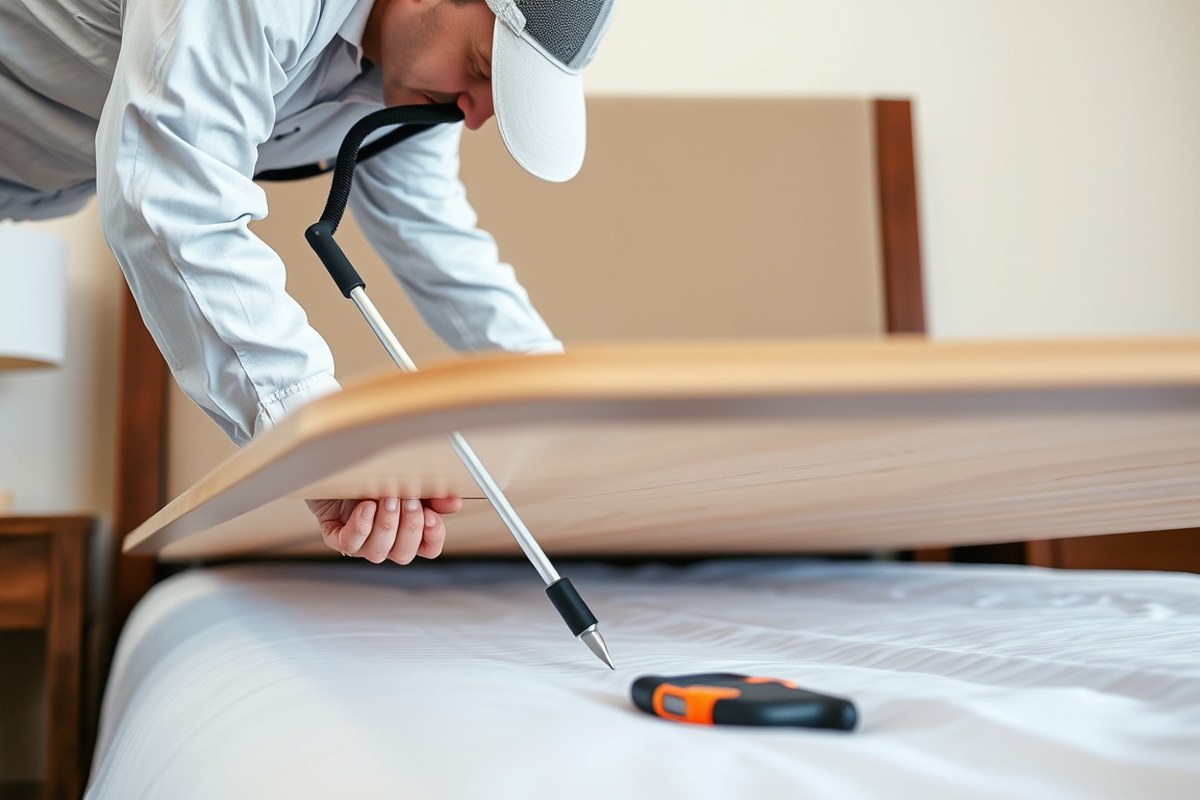
Experts begin by thoroughly inspecting common hiding places like mattress seams, bed frames, box springs, headboards, and nearby furniture. They look for live bugs, shed skins, dark fecal spots, and small blood stains. These signs help confirm infestation since bed bugs are rarely visible during daylight without close examination. The inspection also involves checking cracks in walls, baseboards, electrical outlets, and picture frames, as bed bugs can cluster in these tight spaces. Proper lighting, magnifying tools, and even trained dogs may assist inspection. A careful search can take one to two hours per room, depending on the room size and clutter.
Visual confirmation matters because bugs can hide during the day but leave these telltale signs. Relying on bites or user reports is not enough, as other pests or skin conditions can cause similar reactions. Thorough inspection ensures that pest control targets the right areas, reducing unnecessary treatments and improving success rates.
Use of Bed Bug Monitors and Interceptors
Professionals often deploy interceptors under bed legs or use active monitors to trap bed bugs moving in and out of sleeping areas. Interceptors are small plastic cups with slippery inner surfaces that prevent bugs from climbing up or down the bed frame, allowing technicians to count captured bugs over days or weeks. Active monitors use attractants like carbon dioxide or heat to draw bed bugs into a trap. These tools provide objective evidence of infestation beyond spots or bites. They also help identify the infestation extent and locations not easily visible during inspection.
Placing these monitors usually takes less than 30 minutes per room. Technicians review monitor results during follow-up visits, often scheduled 7 to 14 days after initial treatment and again after 4 to 6 weeks. Fewer or no bugs caught over time indicate treatment effectiveness. When monitors still show bed bugs, further steps or additional treatments may be necessary.
Post-Treatment Monitoring and Follow-Up
Confirming treatment success involves scheduled follow-up inspections and repeated use of interceptors or active monitors. Professionals also verify the absence of bed bug signs in previously infested areas. Follow-ups typically occur within two weeks of treatment and then monthly for up to three months, depending on infestation severity. This timeframe allows technicians to catch recently hatched bugs that survived the treatment and eggs that have since hatched.
During follow-up visits, monitoring tools that detect bed bugs prompt technicians to adjust the treatment plan rather than assuming the problem is resolved. Homeowners should expect clear communication about monitoring results and next steps. Self-monitoring between professional visits helps as well, especially watching for bites, new stains, or bugs caught in interceptors. Prompt reporting of ongoing signs improves chances of complete eradication.
5. How Do Pest Control Treatments Target Bed Bug Eggs and Prevent Reinfestation?
Standard bed bug treatments often do not kill all the eggs because they are shielded by a protective shell and less exposed to insecticides. Follow-up treatments are essential to eliminate newly hatched bugs and prevent the infestation from restarting.
Egg Resilience and Treatment Challenges
Bed bug eggs have a tough, waxy coating that protects them from many chemical sprays. As a result, treatments that kill adult bed bugs and nymphs usually leave some eggs intact. The eggs hatch over a week to 10 days after they are laid, so timing matters to catch the newly emerged bugs before they reproduce. Some heat treatments can penetrate bedding and furniture better, killing eggs as well as bugs, but chemical treatments alone often fail to reach every egg. That’s why pest control technicians focus on applying treatments in cracks, crevices, and areas bed bugs frequent, where eggs are more vulnerable during hatching. Expect that no single treatment cycle will eliminate all eggs or bed bugs immediately.
Scheduling and Importance of Follow-Up Treatments
Most professional pest control companies schedule at least two or three visits spaced about 10 to 14 days apart. This timing corresponds to the egg hatching period and allows technicians to treat new bugs before they lay more eggs. During follow-ups, treatments target hidden bugs that escaped the initial spray and any new ones that emerged from eggs. Monitoring with traps or visual inspections helps confirm if the infestation declines. Skipping follow-ups or delaying them beyond the egg hatching window can let the pest population rebound quickly. You should plan to follow the service provider’s schedule closely and expect full treatment cycles to last several weeks.
Homeowner Steps to Prevent Reinfestation
You play an important role in stopping bed bugs from coming back after treatment. Start by minimizing clutter and sealing cracks where bed bugs hide and lay eggs. Wash bedding, curtains, and clothes in hot water and dry on high heat to kill any eggs and bugs stuck to fabric. Vacuum floors and upholstery regularly, focusing on seams and corners. After each professional treatment, monitor your home with bed bug interceptors or traps placed under bed legs and furniture. If you notice new bites or signs after follow-up visits, contact your pest control provider immediately. Using protective mattress covers and encasing pillows can help block new bed bugs from taking hold. Staying vigilant for two months after treatment is necessary because eggs can hatch during that time.
Always follow the pest control company’s instructions exactly during and after treatment, especially regarding cleaning and room access, to avoid reducing the effectiveness against eggs and new bed bugs.
6. What Are the Typical Costs and Factors Affecting Professional Bed Bug Treatment?
Professional bed bug treatment costs vary widely depending on the method used and the infestation’s severity. You can expect prices typically ranging from a few hundred to several thousand dollars, influenced by factors like treatment type, property size, and complexity of the infestation.
Heat Treatment Costs vs Chemical Treatment Pricing
Heat treatment usually costs between $1,200 and $4,000 for a standard single-family home because it requires specialized equipment and thorough heating of all rooms to around 120°F to kill bed bugs and their eggs. This method’s price is higher due to the energy consumption and labor involved in setting up and monitoring the process. Chemical treatments generally cost less, around $300 to $800 for one or two visits, since they involve applying insecticides and may need multiple applications for effectiveness. However, chemical prices can rise if treatments require extensive preparation or reach into difficult-to-access areas. Professionals sometimes combine both approaches, which drives cost up but can improve results for heavy infestations.
Influence of Infestation Size and Property Type
Costs increase noticeably with the size of the infestation and the area needing treatment. Small apartments may cost only $250 to $500 for treatment, but large, multi-bedroom homes range from $1,000 to over $3,000. A heavy infestation demands more visits and extensive pest sealing, raising costs due to additional materials and labor. The property’s construction also matters: homes with many cracks and clutter require more detailed work to locate and treat bed bugs, elevating prices. Homes with hardwood floors and less furniture may cost less since fewer hiding spots complicate treatment. You should expect treatment costs to reflect both infestation intensity and the physical space needing coverage.
Extra Charges for Multi-Unit or Hotel Treatments
For multi-unit buildings or hotels, pest control companies typically charge per unit treated, with extra fees for coordination and ongoing monitoring. Treating a hotel might start at $500 per room, but total costs depend on how many rooms are affected and the frequency of follow-up visits. Management often needs a contract covering widespread treatment and regular inspections, which can push charges into the tens of thousands for large properties. These settings require more labor because bed bugs spread easily between units, so companies allocate more time and resources to ensure the infestation is contained across multiple living spaces. Expect fees to include both treatment and inspection, sometimes billed monthly over the course of a year in larger buildings.
7. Are Pest Control Treatments Safe and Can I Stay in My Home During Treatment?
You usually cannot stay inside during most bed bug treatments because of chemical fumes or extreme heat. Pest control professionals will tell you how long to vacate based on the method used and the chemical label’s safety instructions. After the treatment, homes often need airing out or a waiting period before it’s safe to reenter.
Chemical Exposure Risks and Precautions
Pesticides for bed bugs contain active ingredients that can irritate the skin, eyes, or respiratory system if inhaled or touched soon after application. Licensed pest control operators follow strict guidelines about how long people and pets must stay out of the treated areas. This period often ranges from 2 to 24 hours, depending on the type of pesticide and amount used. The product label and state regulations determine the exact time.
Leaving the home during chemical treatment lets the spray or dust settle and dry so the risk of exposure drops significantly. After the waiting time, ventilating the area by opening windows or running fans for 30 minutes to an hour helps remove lingering fumes. People with asthma, chemical sensitivities, or young children should be especially careful to follow the pest professional’s advice before returning.
Safety Protocols with Heat and Steam Treatments
Heat treatments raise the room temperature to about 120°F to 140°F to kill all bed bug life stages. This method does not use chemicals, so there is no toxic residue. However, because of the high heat, you cannot stay in the home during the process, which usually lasts 6 to 12 hours. The provider typically gauges when the temperature is safe for reentry once it cools to normal levels.
Steam treatments use 200°F steam applied directly to infested surfaces like mattresses or baseboards. This method is localized, so occupants can often remain in other parts of the home during treatment. Yet, care must be taken to avoid burns or moisture damage. Professionals will advise moving vulnerable items or people away from the treatment zones for safety.
Recommendations for Vulnerable Populations
People with respiratory issues, allergies, or chemical sensitivities should arrange to leave their homes for the entire pest control process and at least a few hours after treatments involving pesticides. Discuss your health concerns with the pest control operator before scheduling so they can choose safer products or methods.
Children under age 2, pregnant women, and those with compromised immune systems may require even longer vacate times or alternative treatments like heat. Hotels and shelters sometimes provide temporary housing during bed bug treatments. Planning ahead ensures minimal health risks while effectively eliminating the infestation.
8. What Challenges and Common Mistakes Reduce Bed Bug Treatment Effectiveness?
The effectiveness of bed bug treatment often suffers from several common mistakes and challenges, including improper preparation, pesticide resistance, and missed hiding spots. Recognizing and addressing these issues is essential to improve control outcomes and avoid extended infestation.
Ignoring Preparation Guidelines
Proper preparation before treatment is critical. People frequently underestimate the need to thoroughly clean, declutter, and reduce bed bug hiding sites ahead of an exterminator’s visit. For instance, not laundering bedding and clothing or failing to move items away from walls can prevent pesticides from reaching all the insects. Preparation costs little money but requires significant time, usually several hours over one or two days, and discipline to complete correctly.
Following your pest control provider’s specific instructions is equally important. These often include vacuuming floors and furniture, sealing infested items in plastic bags, and removing wall hangings. When these steps are skipped, bed bugs can survive in protected spots, causing treatment failure. Successful results appear as a gradual reduction in bites and bugs over 2 to 4 weeks, depending on the number of visits.
Failing to remove clutter and wash fabrics before treatment lets bed bugs hide and avoid pesticides, greatly reducing effectiveness.
Pesticide Resistance and Rotating Treatments
Bed bugs have developed resistance to many common insecticides, particularly pyrethroids, which were once widely effective. Resistance occurs because surviving bugs pass on traits that help them withstand chemical exposure. This resistance makes some pesticide applications ineffective if used repeatedly in the same area.
Professionals mitigate resistance by rotating treatments using different insecticides and methods. This may include combining chemical sprays, dusts, and heat treatment. Rotating pesticide classes disrupts bed bug survival mechanisms and reduces the chance of resistance building up. Some companies use non-chemical options like steam because it does not allow resistance at all, but it requires high temperatures sustained long enough to kill all bugs and eggs.
Implementing a rotation plan might increase treatment cost by 20 to 50 percent but improves the odds of full elimination. Good pest control operators will track which products they apply and when, tailoring the approach for each infestation’s history.
Relying on the same pesticide repeatedly can cause resistance; your pest control professional should switch products and techniques accordingly.
Hidden Bed Bug Hotspots Often Missed
Bed bugs hide in tiny cracks and crevices, rarely seen on open surfaces during a casual inspection. Common overlooked hiding places include behind baseboards, inside electrical outlets, under peeling wallpaper, and seams of furniture. Poor detection allows some bed bugs to survive treatment and reinfest the area later.
Pest control professionals use detailed inspections with specialized tools such as flashlights, magnifying lenses, and bed bug detection interceptors placed under bed legs. They access hidden spots by carefully removing outlet covers and furniture cushions. Thorough inspections take one to three hours depending on the size of the area and complexity of the infestation.
Missing even small hotspots can cost weeks of continued infestation and require retreatment. You can improve results by informing your technician of any areas where you suspect activity. A deep treatment combined with follow-up inspections is necessary to capture bed bugs that move or emerge after the initial application.
Bed bugs often hide in places you don’t expect; thorough inspection and treatment of every crack and crevice is necessary to stop reinfestation.
9. How Do Professionals Handle Bed Bugs in Furniture, Mattresses, and Multi-Unit Buildings?
Professionals treat bed bugs in furniture and mattresses mainly through careful inspection, targeted treatments like steam or insecticides, and sometimes removal or disposal. In multi-unit buildings and hotels, control involves coordinated scheduling, thorough inspections of neighboring units, and ongoing monitoring to prevent re-infestation across apartments.
Furniture Treatment Options: Encasements, Steam, and Removal
Technicians start by inspecting furniture and mattresses for live bugs, shed skins, or fecal spots. Mattresses are often sealed in bed bug-proof encasements, which trap any remaining bugs inside and prevent new ones from hiding there. These encasements typically cost $50 to $150 each and become part of a control strategy rather than a stand-alone solution.
Steam treatment is common for furniture because bed bugs and eggs die quickly at temperatures above 120°F. Professionals apply steam slowly and carefully along seams, joints, and crevices where bed bugs hide, ensuring heat reaches deeper layers. Steam kills bugs and eggs on contact but must be used by trained technicians to avoid moisture damage and burns. For heavily infested or poorly removable furniture, disposal may be necessary, taking care to wrap items securely to prevent bugs from spreading during removal.
After treatment, professionals often place interceptors under furniture legs to monitor any survivors. This step helps gauge treatment success and identify any remaining activity. Avoid DIY heat treatments that don’t maintain consistent temperatures for the required time because it often leaves live bugs behind.
Coordinating Multi-Unit or Hotel-Wide Bed Bug Control
Effective control in apartments or hotels relies on inspecting all units, common areas, and structural voids simultaneously or in quick succession. Pest control companies work with property managers to schedule treatments floors or entire buildings in phases, reducing the chance of bugs migrating to untreated areas. Scheduling often happens at night or during low occupancy periods to minimize disruption and allow access to all units.
Technicians treat infested units with a combination of insecticides, steam, and sometimes heat treatments, focusing on beds, furniture, baseboards, and cracks. Adjacent units receive preventive treatments, usually lighter, to stop bed bugs from spreading through walls, electrical conduits, or plumbing chases. Depending on infestation severity, follow-up visits happen every 7 to 14 days until inspections show no live bugs for at least two months.
Communication is key. Residents or staff receive clear instructions about preparation and follow-up, such as laundering bedding and limiting clutter. Property-wide control can take weeks to months and often costs several hundred to thousands of dollars depending on building size and infestation level. A unified approach reduces reinfestations and covers places residents or guests might overlook.
Preventing Spread Between Units
Preventing bed bugs from moving between units depends on sealing potential travel routes and educating occupants. Professionals recommend sealing cracks around pipes, baseboards, and electrical outlets with caulk or foam. Installing door sweeps and limiting furniture brought from outside also helps reduce entry points. For hotels, laundering bedding at temperatures above 140°F and regular room inspections minimize introduction risk.
Monitoring devices like bed bug interceptors on bed legs or furniture help detect early infestations before they spread. Prompt reporting of bites or sightings encourages fast response. Building managers often coordinate with pest control firms for regular inspections and spot treatments as routine prevention. Neglecting these steps allows bed bugs to spread, making eradication more expensive and difficult.
In summary, handling bed bugs in furniture focuses on treatment precision and containment, while multi-unit control requires extensive coordination and preventive maintenance. Both depend on professional expertise and careful follow-up to achieve lasting results.
10. What Should I Ask and Expect When Hiring a Bed Bug Pest Control Service?
Before hiring a pest control service for bed bug treatment, you should ask clear questions about their methods, chemicals, follow-up policies, and pricing. You should expect detailed answers, guarantees for bed bug elimination, and transparent contracts outlining costs and follow-up visits. Knowing exactly what to expect helps you avoid confusion and ensures the treatment meets your situation.
Questions on Treatment Methods and Chemicals Used
Start by asking what specific treatment methods they use. Bed bug control can involve heat treatment, chemical sprays, or a combination of approaches. Understanding their technique lets you assess how thorough the treatment is and if it suits your home environment.
Ask about the chemicals they plan to apply and their safety profiles, especially if you have children, pets, or respiratory concerns. Pest control companies should provide the names of products they use and explain any precautions you need to take during or after application. Here’s a checklist of treatment questions you should ask during your initial consultation:
- What treatment method do you recommend for my bed bug issue, and why?
- Which pesticides or chemicals will you use, and are they EPA-approved?
- Are there any health risks or safety precautions I should be aware of during treatment?
- How long will the treatment process take, including any preparation or drying times?
- Will you need to move or remove furniture or mattress covers during treatment?
You should get clear instructions on how to prepare your home before the treatment so it is as effective as possible and to minimize chemical exposure risks. A professional will also explain the expected results based on their chosen method.
Inquiries About Follow-Up and Guarantees
Ask what follow-up services are included and how the company handles situations if bed bugs return. Bed bug elimination can require multiple visits since eggs may hatch after the first treatment. Ensure the pest control provider schedules follow-ups at no extra charge within a reasonable timeframe, often 2 to 4 weeks.
Most reputable companies offer some form of guarantee or warranty for bed bug treatments. This might be a limited-time warranty covering repeat treatments until the infestation is controlled. You want to know exactly the length of this guarantee and what conditions affect it, such as continued resident cooperation or maintenance tasks.
Request that the guarantee be clearly written in your service agreement so you understand how to request additional treatments without extra fees and what that process entails. Avoid companies that refuse to provide any warranty or expect payment for every retreatment regardless of success.
Understanding Contracts and Pricing Transparency
Before signing, review the contract carefully to confirm what services are included, the total cost, and the schedule for treatments. Avoid agreements that lack detail about the products used, number of visits, or follow-up plans. A good contract should outline total costs clearly without hidden fees.
Ask the company to provide a written estimate with a breakdown of charges, including labor, treatments, materials, and follow-up visits. Pricing for bed bug control varies depending on the size of the infestation, home square footage, treatments needed, and region. Being clear on pricing helps you compare quotes fairly. Common contract elements to watch for include:
- Total number of treatments included and any additional visit costs
- Guarantee or warranty terms and length of coverage
- Client responsibilities such as preparation steps and post-treatment instructions
- Cancellation or rescheduling policies
- Payment terms and accepted methods
Ask for clarification on anything vague or missing before committing. Feel empowered to ask for references or proof of licensing and insurance. A written contract with clear terms protects you and ensures accountability from the pest control company.
Step-by-Step Action Plan for Professional Bed Bug Control
Follow these steps to work effectively with a professional pest control service, prepare your home properly, and verify treatment success for bed bugs.
- Before Treatment: Declutter and clean your living area, washing bedding and clothes in hot water (at least 120°F) and drying on high heat. This reduces hiding places and removes live bugs and eggs, making treatments more effective.
- Scheduling Treatment: Arrange for at least two visits spaced 10 to 14 days apart, since bed bug eggs hatch after a week or two. Confirm with your pest control provider they use inspections and treatment methods targeting both bugs and eggs.
- During Treatment: Follow all preparation instructions from the pest control company, including removing items from floors and walls and ensuring access to furniture. Check if you need to leave your home during chemical treatments; some heat or steam methods allow you to stay with precautions.
- Post-Treatment Week 1: Avoid disturbing treated areas; monitor using mattress encasements and interceptor traps placed under bed legs. Look for absence of new bites and live bugs as signs treatment is working.
- After Second Treatment (Week 2-3): Schedule a follow-up inspection to confirm no live bed bugs remain, as professionals use visual and monitoring techniques to verify eradication. If bugs persist, discuss additional treatment options immediately.
- Ongoing Prevention (After Treatment): Keep furniture away from walls, reduce clutter, and regularly inspect high-risk spots. Using encasements on mattresses and box springs helps prevent reinfestation by restricting bug hiding places.
- When Hiring a Service: Ask about treatment methods, guarantees, inspection practices, costs including possible extra visits, and safety precautions. Companies that provide clear preparation guidelines and post-treatment support often deliver better results.
Frequently Asked Questions
How Do Pest Control Professionals Decide Which Bed Bug Treatment to Use?
They assess infestation severity, site conditions, and resident preferences before choosing treatments like heat, chemicals, or steam. This tailored approach ensures effective targeting while minimizing disruption and risks.
Can Bed Bug Treatments Damage Household Items Such as Electronics or Clothing?
Most professional treatments carefully avoid harming items, but heat or fumigation can affect sensitive electronics or heat-sensitive fabrics. Inform your pest control provider about valuable or fragile belongings so they can protect or recommend temporary removal.
What Happens If Bed Bugs Return After Professional Treatment?
Repeat infestations can occur due to untreated areas, reintroduction from external sources, or initial treatment gaps. Pest control experts usually offer follow-up visits to treat missed spots and advise on prevention to reduce reinfestation chances.
Do DIY Bed Bug Sprays Compare to Professional Pest Control Effectiveness?
DIY sprays rarely eliminate entire infestations because they often don’t reach hidden bugs or eggs. Professionals use specialized treatments and inspection tools to target all life stages more thoroughly, which improves results and reduces repeat treatments.
How Soon Can I Bring My Pets Back Home After Bed Bug Treatment?
The time varies by treatment type; most chemical treatments require pets to leave for several hours to a day to avoid exposure. Confirm with your pest control technician about safe reentry times to protect your pets’ health.
Are Bed Bugs Resistant to Some Pest Control Chemicals?
Yes, bed bugs have developed resistance to common insecticides like pyrethroids in some regions. Professionals may rotate chemicals or combine methods to overcome resistance and improve treatment success.
Key Points to Remember
Effective bed bug elimination depends on hiring a professional who inspects carefully, treats both bugs and eggs with multiple sessions, and follows strict preparation and safety steps. Start by contacting a licensed pest control company for an inspection to confirm the infestation and get a treatment plan tailored to your home’s size and stage of infestation. This approach ensures the treatment targets all hiding places and limits the chance of reinfestation, helping you regain control promptly and safely.


4 Comments