

Can Pest Control Get Rid of Crickets? A Complete Guide to Effective Removal
Yes, pest control can get rid of crickets effectively, especially when you use professional services. Experts target cricket habitats, use specialized treatments, and combine methods to reduce infestations quickly. Total elimination depends on factors like the severity of the infestation and thorough preparation of your home and yard.
This information is for homeowners, renters, or property managers dealing with unwanted crickets. You’ll learn how professionals handle cricket removal, compare DIY options, understand treatment timelines, and discover how to prepare your property and prevent future cricket problems safely and efficiently.
Key Takeaways
- Professional pest control can significantly reduce cricket populations but may require multiple treatments for complete elimination.
- Experts use targeted insecticides and habitat modification to effectively locate and control cricket infestations.
- DIY methods might save money but often lack the thoroughness and long-term protection provided by professionals.
- Cricket pest control treatments typically begin showing results within a few days to two weeks, depending on infestation severity.
- Clear clutter, seal entry points, and trim vegetation to prepare your home and yard before pest control treatments.
- Pest control products should be used carefully, following label directions to minimize risks to children, pets, and the environment.
Can Professional Pest Control Completely Eliminate Crickets?
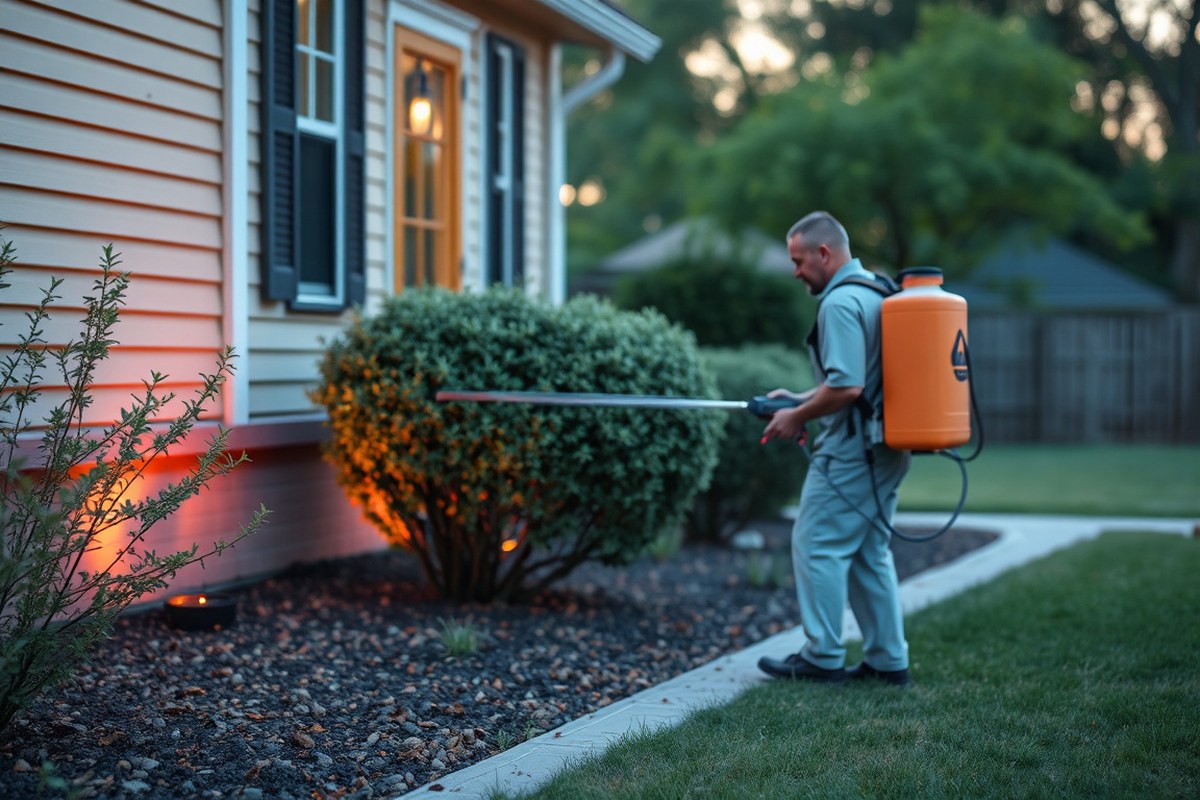
Professional pest control services can effectively reduce cricket populations and often remove visible infestations. Experts use targeted treatments like baits, insecticides, and habitat modifications to disrupt cricket life cycles. These methods focus on eliminating crickets in your home and the immediate yard area, providing a high chance of controlling or significantly reducing cricket presence.
Complete elimination depends on several factors including the severity of the infestation, the type of cricket species, and the surrounding environment. Crickets often breed outdoors in grassy or damp areas, so treatments inside your home alone rarely solve the problem permanently. Special attention to both indoor and outdoor habitats increases the chances of success.
Experts assess your property to identify cricket entry points, breeding sites, and food sources. They apply treatments in these critical areas to prevent crickets from hiding or returning quickly. Seasonal factors also affect results. For example, treatments done early in the cricket breeding season generally yield better outcomes than those applied after populations have grown.
Eliminating crickets fully can take several treatments spaced weeks apart. This repeated approach targets new hatchlings and adults that survive initial treatments. Professionals often offer follow-up visits to monitor cricket activity and adjust control methods if crickets reappear. Expect costs to vary based on the property size and infestation extent, but investing in professional control typically saves time and reduces trial-and-error compared to DIY methods.
There are limitations to consider. Crickets can be difficult to eradicate completely because they easily enter from neighboring yards, especially if nearby conditions remain favorable. Weather changes, like heavy rain or drought, may drive crickets indoors even after treatments. In multi-unit buildings, a coordinated pest management plan across units is essential for lasting results.
While pest control experts are skilled at minimizing cricket infestations, total elimination requires ongoing maintenance of your property. Removing excess vegetation near your home, sealing cracks, and reducing moisture helps create an environment unfavorable for crickets to return. Professional treatments combined with these preventive steps increase the likelihood of long-term success.
How Do Pest Control Experts Eliminate Cricket Infestations?

Pest control professionals eliminate cricket infestations using a combination of targeted insecticides, baits, mechanical traps, and habitat management. Using multiple methods increases effectiveness by attacking crickets both directly and through their environment. Professionals tailor treatments to indoor or outdoor settings for best results.
Sprays and Residual Insecticides
Sprays and residual insecticides are commonly used inside homes and in outdoor areas where crickets gather or enter. These products contain ingredients designed to kill crickets on contact or through prolonged exposure to treated surfaces.
Pest control experts apply liquid sprays to baseboards, cracks, and crevices inside buildings where crickets hide. Outdoors, sprays target shrubbery, mulch, and foundation areas. Residual insecticides leave a lasting protective barrier, preventing reinfestation for several weeks.
It is important for professionals to select insecticides labeled specifically for crickets and safe for the treatment site. Misapplication can damage sensitive plants or create indoor air quality issues. Following manufacturer guidelines ensures safety and effectiveness.
Baits, Dusts, and Traps
Baits attract crickets by mimicking food sources, then deliver slow-acting poisons that the insects carry back to nest sites. Dust formulations are applied in voids, under siding, and around foundations to target crickets in hard-to-reach areas. Mechanical traps capture crickets physically and help monitor infestation levels.
Combining bait stations with spray treatments boosts control by attacking crickets that avoid sprayed zones. Traps provide feedback on population size and treatment progress. Experts place baits and traps strategically based on cricket activity patterns, such as near doors, windows, and outdoor lighting.
- Analyze cricket activity to identify hotspots.
- Place bait stations along cricket pathways and nesting areas.
- Apply dust insecticides in wall voids or under eaves where crickets hide.
- Set mechanical traps near entry points and dark corners indoors.
- Monitor traps regularly to assess effectiveness.
- Refresh baits and dust treatments as needed to maintain control.
Never place baits where pets or children can access them to avoid accidental poisoning.
Habitat Modification and Exclusion Techniques
Alongside chemical treatments, experts focus on changing conditions that attract crickets and block their access to homes. Removing excess moisture, repairing damaged screens, sealing foundation cracks, and clearing vegetation from building perimeters reduce suitable cricket habitats.
Proper yard maintenance eliminates hiding spots like piles of leaves, wood, and stones. Exterior lighting attracts crickets; switching to yellow bulbs or reducing lighting duration can lower cricket presence near homes. Pest control professionals also recommend consistent home sealing efforts after treatment to prevent recolonization.
- Inspect structural openings for gaps and seal all cracks around doors, windows, and foundations using caulk or weatherstripping.
- Repair or replace torn window and door screens to deny cricket entry.
- Trim back shrubs and remove debris within at least 1 to 2 feet of the building.
- Address drainage issues to eliminate standing water and reduce humidity.
- Replace outdoor bulbs with insect-repellent lighting sources.
- Create a clean, dry barrier zone by using gravel or concrete around the foundation.
Keeping a light perimeter free of vegetation discourages crickets from lingering close to your house after treatments.
Professional Pest Control vs DIY Cricket Removal: Pros and Cons
Choosing between professional pest control and DIY methods for cricket removal depends largely on your budget, the size of the infestation, and how quickly you want results. DIY methods are generally less expensive but can take longer and may require multiple treatments. Professional services tend to be more effective for large or persistent infestations and can offer longer-lasting solutions, although at a higher cost.
| Aspect | DIY Cricket Removal | Professional Pest Control |
|---|---|---|
| Effectiveness | Moderate for small problems; depends on correct application | High, with specialized treatments and equipment |
| Cost | Low to moderate ($10, $50 for traps, sprays) | Moderate to high ($150, $300+ per treatment) |
| Pros |
|
|
| Cons |
|
|
| Timeline | Days to weeks; multiple treatments often needed | Days; typically quicker reduction in infestation |
DIY methods can be effective if you catch the infestation early and follow instructions carefully. Common tools include sticky traps and insecticide sprays. You need to treat entry points and hiding places repeatedly over several days to cover the cricket lifecycle. Be sure to follow all label directions to minimize health and environmental risks.
Switching to professional pest control makes sense if DIY efforts don’t reduce cricket activity within a week or two, or if the infestation covers a large area. Professionals use targeted strategies and industrial-grade products to control crickets more reliably and often provide guarantees or follow-up treatments. Keep in mind the extra cost and plan accordingly.
How Long Does Cricket Pest Control Treatment Take to Work?
Pest control treatments generally start showing results against crickets within a few days, with noticeable reduction in activity often occurring within one to two weeks. Complete elimination can take several weeks depending on the severity of the infestation and the methods used. Multiple treatments and ongoing monitoring may be necessary to fully control the cricket population.
Initial Impact and Population Decline
Most pest control treatments for crickets involve applying insecticides or baits that target their feeding and nesting areas. Within the first three to seven days after treatment, you should observe fewer crickets around your home or yard. This initial reduction happens because the treatments affect active crickets directly or contaminate food sources, leading to death over time.
Positive signs include reduced cricket chirping, fewer sightings indoors and outdoors, and less damage to plants or property. However, some crickets may take longer to come into contact with the treated areas or die off, especially if eggs or hidden populations exist.
Factors Influencing Treatment Speed
The speed at which cricket pest control works depends on several factors including the size of the infestation, type of treatment, and cricket species. Larger infestations with well-established nests require longer treatment periods since multiple cricket life stages must be eliminated.
Using targeted baits tends to show quicker results because crickets ingest the poison directly, while residual sprays may act slower by contaminating resting spots. The species of cricket also matters, as some are more reclusive or breed more rapidly, affecting how quickly treatments take effect.
Typical Duration of Follow-Up Treatments
Professional pest control services often recommend follow-up treatments spaced two to four weeks apart to catch any surviving crickets and newly hatched eggs. Usually, two to three treatments spaced over this period help ensure the population is effectively controlled.
Homeowners with moderate cricket problems may see success with a single treatment followed by monitoring and spot treatments if numbers return. For heavy infestations, expect treatments to continue until cricket activity is minimal or non-existent for several weeks.
Environmental Conditions Affecting Effectiveness
Weather and environmental conditions significantly influence how well and how fast cricket treatments work. Rain can wash away insecticide residues, delaying results, while dry and warm temperatures help chemicals remain active longer.
Vegetation density, moisture levels, and availability of shelter around your home also affect cricket behavior and treatment speed. For example, thick grass or mulch layers provide protection for crickets, requiring more persistent treatment efforts to reach hidden insects.
Preparing Your Home and Yard for Cricket Pest Control Treatment
Preparing your home and yard before a cricket pest control treatment ensures the service works effectively and speeds up cricket removal. After treatment, specific actions help maintain results and prevent reinfestation. Following a clear checklist before and after the visit improves results and reduces cricket activity faster.
Indoor Cleaning and Decluttering Tips
Clear clutter inside your home to remove potential hiding spots for crickets. Vacuum corners, baseboards, and under furniture thoroughly to eliminate eggs, discarded exoskeletons, and adult insects. Wipe down surfaces to remove dirt and food crumbs that attract crickets.
Before the pest control visit, put away pet food and cover dishes and kitchen items to avoid accidental chemical exposure. Move furniture out from walls to allow easy access for treatment in cracks and along floor edges, where crickets often hide.
- Vacuum floors, rugs, and furniture thoroughly
- Clear clutter such as boxes, newspapers, and bags
- Store pet food and remove exposed food items
- Move furniture away from walls and floors
- Cover or remove delicate items that could be affected
- Ensure access to crawl spaces and basements
- Turn off air filters or fans temporarily during treatment
These indoor preparations reduce cricket refuges and help pest control professionals apply treatments effectively where crickets live and breed indoors.
Outdoor Yard Maintenance Before Treatment
Crickets often originate outside, so maintaining your yard lowers the chance of reinfestation. Trim tall grass, weeds, and dense ground cover near your house, as these provide shelter. Remove leaf piles, stones, wood piles, and other debris where crickets hide during the day and lay eggs.
Check outdoor lighting because bright lights can attract crickets at night. Consider switching to yellow bulbs or moving lights away from doors and windows.
- Mow lawn and trim overgrown vegetation
- Remove leaf litter, stones, and woodpiles
- Keep mulch layers thin and dry
- Seal outdoor trash bins and compost areas
- Adjust outdoor lighting to less attractive types
- Clear gutters and downspouts to reduce moisture
Maintaining a tidy yard helps pest control treatments reach crickets outdoors and reduces their ability to return indoors after.
Seal Entry Points to Prevent Return
Prevent crickets from coming back by sealing cracks and openings around doors, windows, pipes, and vents. Use weather stripping, caulk, and mesh screening to cover these access points. Repair damaged window screens and door sweeps.
Check gaps in foundation walls and areas where utility lines enter the home. Sealing these prevents crickets from entering during or after treatment.
- Caulk cracks around doors, windows, and foundation
- Install door sweeps on exterior doors
- Repair torn window or door screens
- Cover vents with tight-fitting screens
- Seal around pipes and cables entering walls
Effective sealing blocks common cricket pathways, making pest control treatment more successful and extending the treatment’s effects.
Post-Treatment Care and Monitoring
After pest control, avoid cleaning or vacuuming treated areas for at least 24 to 48 hours unless directed by the technician. This allows pesticides to remain effective. Follow any specific instructions given about re-entry times and ventilation.
Monitor cricket activity for several days and report any continued presence to the pest control service. Keep up yard maintenance and sealing efforts to prevent new cricket infestations.
Wear gloves when cleaning treated areas if necessary, and always follow label instructions for safety.
Regular inspections of problem areas combined with ongoing prevention reduce cricket populations over time and improve the success of professional treatments.
Safety and Environmental Concerns When Using Pest Control Products
Pest control products commonly used for crickets include chemical insecticides such as pyrethroids and carbamates. These chemicals can pose health risks if misused, including skin irritation, respiratory issues, and other toxic effects. To reduce risks, apply pesticides according to label instructions, wear protective gear like gloves and masks, and keep children and pets away from treated areas until surfaces are dry. Proper ventilation during and after application also helps minimize exposure.
Crickets can develop resistance to pesticides over time, especially if the same chemical is used repeatedly without variation. Resistance reduces the effectiveness of treatments, requiring higher concentrations or different products to achieve control. Rotating pesticides with different modes of action and using integrated pest management (IPM) practices, such as habitat modification and physical barriers, can delay resistance development and improve long-term results.
Organic or eco-friendly options for cricket control typically involve botanical insecticides like neem oil or insecticidal soaps. These alternatives generally have lower toxicity to humans and pets and degrade faster in the environment. While organic products may not provide instant elimination, regular application combined with sanitation and exclusion measures can reduce cricket populations effectively. Keep in mind that organic treatments may cost more or require more frequent applications compared to synthetic chemicals.
The choice between chemical and organic cricket control depends on your priorities, including health concerns, environmental impact, and budget. Chemical pesticides usually act faster but carry more safety precautions. Organic options prioritize safety but may take longer and demand persistent effort. Always follow label directions closely to ensure both effectiveness and safety, and dispose of unused pesticides according to local regulations. If you have health sensitivities or pets, consider consulting a licensed pest control professional experienced in eco-friendly methods.
Identifying When to Call a Professional for Cricket Infestations
Deciding when to call a professional for a cricket problem depends largely on the size and persistence of the infestation. A small group of crickets spotted occasionally indoors may be manageable with basic DIY methods like sealing entry points and using traps. However, a serious infestation involves constant cricket noise, visible damage to plants or fabrics, or hundreds of crickets appearing regularly inside or around your property. Persistent cricket activity after attempting home remedies signals the need for expert intervention.
Professionals can effectively address both indoor and outdoor cricket populations. Outdoor cricket habitats such as grass, mulch, and garden beds can harbor large numbers that eventually enter your home. Pest control specialists have tools and treatments designed for these outside areas to suppress cricket breeding grounds and stop re-infestation. Indoors, they can apply targeted insecticides safely in cracks, crevices, and behind walls where crickets hide, which are often missed in DIY efforts.
When reaching out to a pest control company, be clear about your observations to get the best help. Use a simple communication template: “I have noticed [describe signs such as ‘constant cricket chirping in the evenings’, ‘damage to garden plants’, or ‘seeing dozens of crickets inside my home’]. DIY methods haven’t reduced the problem. Could you assess the infestation and propose treatment options?” This helps professionals understand the urgency and scope immediately.
Many pest control services offer guarantees or scheduled follow-up visits to ensure cricket populations stay under control. This is important because cricket eggs can hatch over weeks, requiring multiple treatments. Confirm the company’s policy on follow-ups before hiring them, especially if you want reassurance beyond a one-time service. Typical costs vary based on infestation severity and treatment area but expect professional cricket control to range between $150 and $300 per visit for a standard home.
Good results include a noticeable reduction in cricket sounds and sightings within a week or two after treatment. If crickets persist strongly beyond one treatment cycle, additional visits or an inspection of untreated areas may be necessary. Delaying professional help can result in more extensive damage to fabrics, plants, and even attract other pests that feed on crickets. Early identification and prompt expert treatment usually save time and money compared to letting the infestation grow unchecked.
Preventing Future Cricket Problems After Pest Control Treatments
Controlling moisture inside and outside your home is key to stopping crickets from coming back. Crickets are attracted to damp areas because they need moisture to survive. Fix leaking pipes, use dehumidifiers in basements or crawl spaces, and keep gutters clean to direct water away from your foundation. Outside, avoid overwatering garden beds and make sure your soil drains well. These steps reduce the damp hiding spots that crickets prefer.
Your landscaping and home maintenance habits also influence cricket activity. Keep grass mowed and remove piles of leaves, wood, and debris where crickets can shelter. Trim back shrubs and avoid dense vegetation touching your home’s exterior. Crickets often enter through gaps around doors, windows, and vents, so seal cracks and install tight-fitting screens. Keeping your yard tidy and well-maintained makes it less inviting for crickets to settle near your home.
Store firewood at least 20 feet from your house and off the ground to discourage cricket sheltering close to your foundation.
Behavioral changes inside the home can help prevent reinfestation. Avoid leaving pet food or spilled crumbs on floors overnight, as crickets feed on organic matter. Run ceiling fans or install exhaust fans in humid areas like bathrooms and kitchens to reduce indoor moisture. Turning off exterior lights at night or switching to yellow “bug lights” can limit cricket attraction near doors and windows.
- Fix leaks and use a dehumidifier in moist indoor areas
- Keep lawn mowed and clear away leaf and wood piles
- Trim shrubs so they don’t touch the house
- Seal entry points with weatherstripping or caulk
- Store firewood away from the house
- Remove food debris inside
- Use outdoor lighting that reduces insect attraction
Costs for these prevention measures vary. Simple repairs like sealing cracks cost a few dollars per tube of caulk. A quality dehumidifier ranges from $50 to $200 depending on size. Yard work and landscaping maintenance may require regular time or paid services. These investments can significantly reduce cricket returns by making your property less hospitable. Notice fewer cricket sightings over weeks or months after applying these practices. Ignoring moisture and entry points invites crickets back despite pest control treatments.
Step-by-Step Action Plan for Cricket Pest Control
Follow these steps to manage a cricket infestation using professional pest control and prevent future problems effectively.
- Before You Start: Inspect your home and yard for cricket activity and identify entry points. Document the problem spots to share with the pest control professional.
- Day 1: Contact a licensed pest control service to schedule an inspection and treatment. Confirm they use cricket-specific solutions and discuss safety concerns.
- Day 2 to 3: Prepare your home and yard by removing debris, sealing cracks, and clearing clutter. This reduces hiding places and improves treatment effectiveness.
- Day 4: Allow the pest control experts to apply treatments both inside and outside your property. Notice a decline in cricket sounds or sightings within a few days.
- Week 1 to 2: Monitor cricket activity. If you still see significant cricket presence, contact the pest control provider for follow-up options.
- After Treatment: Maintain yard cleanliness, trim vegetation away from your home, and fix screens or door seals to prevent re-entry. These steps reduce the chance of future infestations.
- Ongoing: Schedule regular inspections if you live in a high-cricket area. Early detection helps control crickets before they multiply.
Frequently Asked Questions
Can Cricket Infestations Return After Pest Control Treatment?
Yes, crickets can return if conditions remain favorable. Regular maintenance and sealing entry points help prevent re-infestation.
Are Cricket Repellents Effective for Long-Term Control?
Cricket repellents provide temporary relief but don’t offer long-term control. Use integrated pest management for lasting results.
Do Crickets Cause Damage to Home Structures?
Crickets rarely damage structures but may chew on fabrics or paper. Prompt control prevents minor damage and nuisance.
What Time of Year Is Best for Cricket Pest Control?
Late summer to early fall is optimal because cricket activity peaks then. Treating during this time targets infestations at their highest.
Can Cricket Control Methods Harm Pets or Children?
Some products can be harmful if misused, so follow label directions carefully. Non-toxic options exist and professionals recommend safe handling.
How Often Should Cricket Pest Control Treatments Be Applied?
Treatment frequency depends on infestation severity, often every few months for control. Consult professionals for customized schedules.
Wrapping Up
Professional pest control can effectively reduce and often eliminate cricket infestations, especially when combined with proper home and yard preparation. To start addressing your cricket problem now, inspect your property for cracks and gaps where crickets can enter and seal them to limit their access. Taking this step today can make any treatment you pursue more successful.




2 Comments