
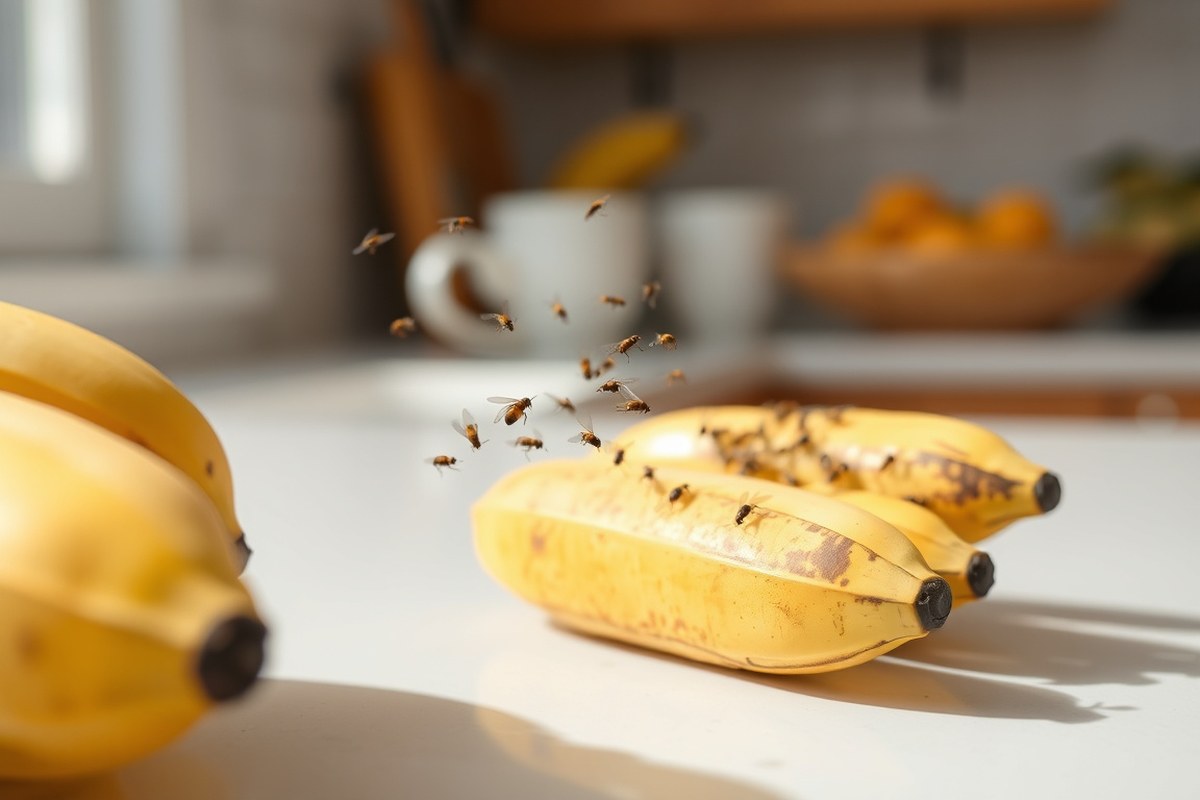
How to Get Rid of Fruit Flies in Kitchen: 8 Proven Steps for Fast Results
The quickest method to eliminate fruit flies from your kitchen involves clearing away anything they feed on and catching the leftover flies using traps you either make yourself or buy. Swiftly cutting down their population requires a mix of deep cleaning, locating where they breed, and setting out baits. Knowing their life stages also helps stop them from coming back.
This advice is for homeowners and renters facing persistent fruit fly problems in their kitchens. You will learn how to identify fruit flies, where they come from, and eight proven steps to eliminate them fast. These methods cover cleaning, trap setup, treatment options, and prevention to keep your kitchen pest-free.
Key Takeaways
- Identify fruit flies by their small size, red eyes, and rapid movement near overripe fruit or moist areas in your kitchen.
- Fruit flies enter homes through open windows, doors, or hitchhike on groceries and appear suddenly due to completed egg cycles.
- Find and clean breeding sites like garbage disposals, drains, overripe fruit bowls, and spills to stop fruit fly reproduction.
- DIY traps use simple baits like vinegar and dish soap, set in shallow containers, and require daily maintenance for effectiveness.
- Store-bought traps like Aunt Fannie’s FlyPunch or Terro traps offer targeted bait, while chemical treatments treat drains but require safety caution.
- Adult fruit flies live up to 30 days, and their eggs hatch in 24 hours, making continuous trapping key during the 7, 14 day lifecycle.
1. How to Identify and Understand Fruit Flies in Your Kitchen
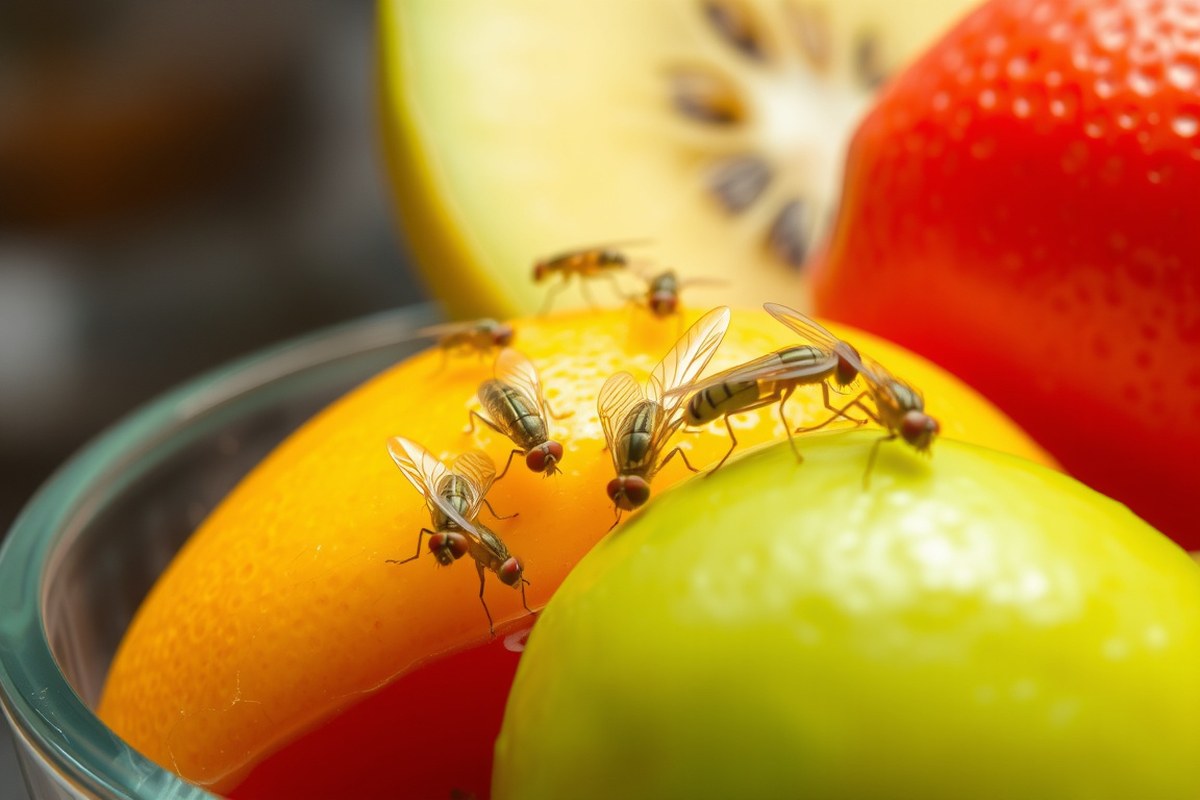
Fruit flies are tiny insects, usually about 1/8 inch long, with yellowish-brown bodies and distinctive red eyes. Unlike regular house flies, fruit flies are smaller, often appearing near ripening or rotting fruits and vegetables. You can identify them by their quick, erratic flying patterns and their tendency to hover around kitchen sinks, trash bins, and produce bowls. If you notice flies that size lingering on or near fresh food, especially fruit, they’re very likely fruit flies.
Distinguishing fruit flies from other small flying pests involves close observation. House flies are larger, around 1/4 inch, and tend to be grey with dark stripes, while fungus gnats, which also appear around damp areas, have slender bodies and long legs. Fruit flies are more attracted to sweet, fermenting substances, so if the bugs cluster around spoiled fruit, vinegar, or soda spills, that’s a clear sign. Checking for red eyes under good lighting and noting the flies’ preference for kitchen produce help confirm your identification.
The fruit fly has a rapid four-stage life cycle: egg, larva, pupa, and adult. Eggs are tiny white specks laid on fermenting fruit or moist organic matter. They hatch within 24 to 30 hours into larvae, which feed for about 4 to 6 days before pupating. The pupal stage lasts up to 4 days before adult flies emerge. The entire cycle can complete in as little as 7 to 10 days when temperatures hover around 75 to 80°F, which is common in most kitchens. This fast cycle means that a single fruit fly can quickly multiply into a sizable infestation if left unchecked.
Understanding this life cycle is key for effective removal. Since eggs and larvae develop hidden on food or damp organic matter, simply killing adult flies won’t end the problem. You’ll need to remove breeding sites and food sources, such as overripe fruit or food spills, to prevent new generations. Visual guides showing fruit fly size next to common household items, or images highlighting the red eyes and wing shape, can be helpful if you’re unsure. A simple method is to place a small piece of ripe fruit in a clear container with a funnel or plastic wrap with holes; fruit flies will enter but struggle to escape, confirming their presence.
Treating fruit flies usually doesn’t require expensive tools. Identification relies mainly on visual and behavioral cues you can observe yourself. Quick action is necessary due to their rapid reproduction. Taking time to spot the difference between fruit flies and other kitchen pests improves the chances of selecting the right control methods and fixing the problem before it worsens.
2. Why Fruit Flies Appear Suddenly and How They Enter Your Home
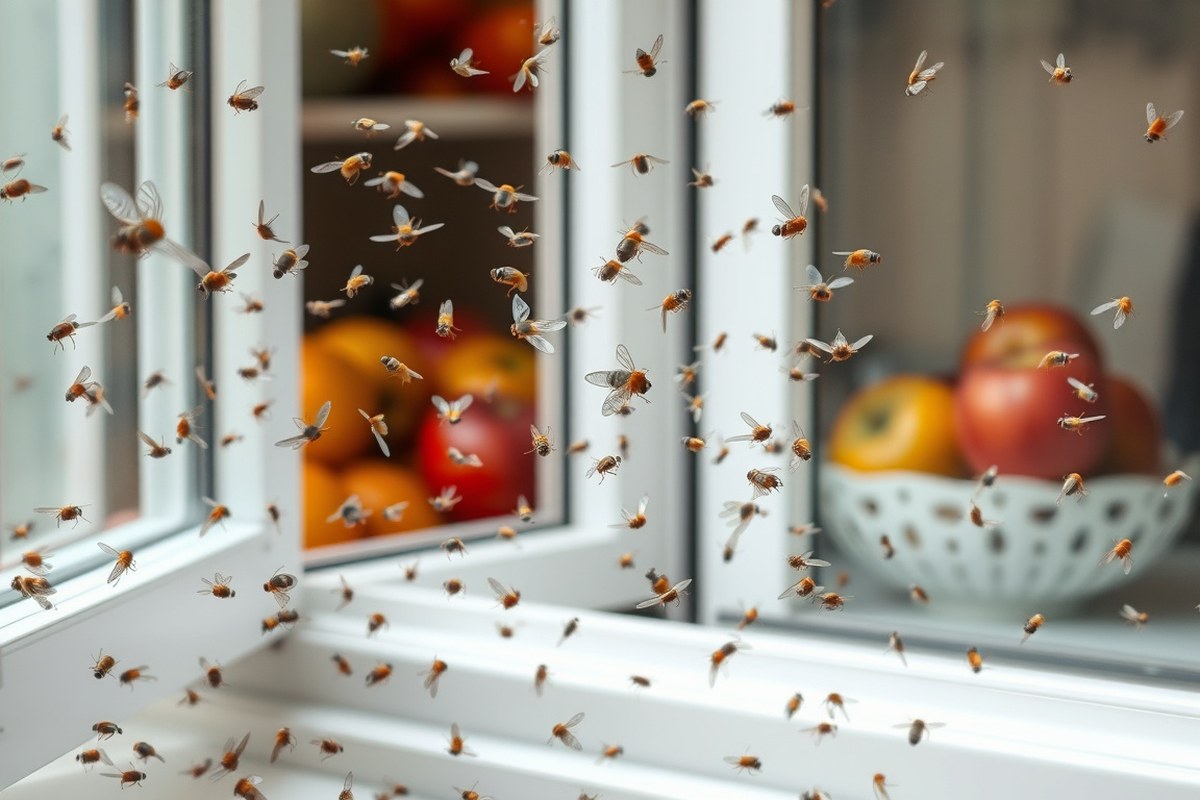
Fruit flies seem to appear suddenly because their eggs are tiny and often unnoticed on fresh produce or other organic materials you bring into your home. These eggs hatch within 24 to 30 hours in warm conditions, making it look like the flies showed up out of nowhere. Once hatched, fruit flies multiply quickly, especially during warmer months, which is why infestations often spike in late spring through early fall.
The primary way fruit flies enter your kitchen is through the fruits and vegetables you buy. Their eggs and larvae cling to the surface of fresh produce or inside bagged items. They can also come in on compost bags, garbage, or recycling bins if these are stored near entrances or in the kitchen. Aside from groceries, open doors and windows allow adult flies to fly in, especially when attracted by the smell of fermenting or rotting organic matter inside.
Regional and seasonal factors impact fruit fly activity. In warmer regions or states like those along the Eastern Shore of Maryland or New Jersey, fruit fly activity can start earlier in the spring and last longer into the fall. In cooler or northern regions, their numbers typically peak during summer months when temperatures reach 75°F to 85°F (24°C to 29°C), which accelerates their breeding cycle. Humid kitchens with moist organic material also provide ideal conditions year-round. Common entry points and attractors include:
- Fresh fruits and vegetables brought in from grocery stores or farmers’ markets
- Open or broken window and door screens
- Kitchen sinks and drains where organic debris accumulates
- Trash cans and compost bins kept inside or near the kitchen
- Recycling containers, especially those holding bottles and cans with residue
- Packages or bags containing organic waste left temporarily in the kitchen
Seal cracks, and use tight-fitting lids on trash cans and compost bins to reduce fly entry and breeding inside your kitchen.
Understanding how fruit flies arrive helps focus your prevention. Minimizing exposure by carefully inspecting and washing produce before storing it, keeping doors and windows screened or closed, and promptly disposing of organic waste drastically reduces the risk of an infestation. Seasonal vigilance is key since fruit flies accelerate reproduction in warm weather, making timely action essential to avoid sudden swarms in your kitchen space.
3. Locating and Cleaning Fruit Fly Breeding Sites in Your Kitchen
Fruit flies usually breed in moist, warm places with decaying organic matter in your kitchen. Common breeding sites include drains, trash bins, fruit bowls, and compost containers. Thoroughly cleaning these areas reduces their breeding grounds and helps control infestations.
Common Fruit Fly Breeding Spots
Fruit flies thrive in spots with fermenting or rotting food waste and moisture. Kitchen sinks and drains often harbor organic build-up that provides food and shelter for larvae. Overripe or rotting fruit left out in bowls, open trash cans, and compost bins are other prime spots for fruit fly breeding. Even mop buckets, damp cleaning cloths, and coffee grounds in coffee machines can attract fruit flies if left damp and untreated. Standing water in empty bottles or around sinks offers additional wet habitats.
These areas matter because fruit fly eggs hatch within 24 hours, and larvae mature into adults in about 7 days, allowing rapid population growth. Identifying and cleaning these breeding sites promptly interrupts their life cycle and reduces infestation.
Cleaning and Disinfecting the Kitchen Drains
Removing fruit fly larvae from kitchen drains requires a targeted cleaning process since larvae feed on organic matter inside the pipes. Using an enzyme-based or bio-active foaming drain cleaner breaks down this matter safely without harsh chemicals. Regular cleaning of sink basins, drain openings, and garbage disposal units prevents waste build-up where larvae develop. Follow these steps to clean your kitchen drains effectively:
- Remove any visible debris or food scraps from the sink and drain entrance.
- Flush the drain with hot water for at least 30 seconds to loosen build-up.
- Apply an enzyme-based drain cleaner according to the product instructions, typically using a capful per drain.
- Allow the cleaner to foam and work for the time specified, usually 15 to 30 minutes.
- Flush the drain again with hot water to rinse away loosened organic material and larvae.
- Repeat this process once or twice weekly until fruit flies no longer appear near the drains.
Consistent drain cleaning decreases organic residue that attracts fruit flies. Keep sinks dry overnight and avoid leaving food scraps near drains to reduce moisture and food sources.
Using Commercial Drain Treatments Safely
Commercial enzyme-based drain treatments are effective at eliminating fruit fly larvae without harmful side effects. Unlike caustic chemical drain cleaners, enzyme products break down organic matter and control fly populations safely. Cost ranges from $10 to $20 per bottle, which can treat multiple drains depending on instructions.
Use commercial products as directed, wearing gloves and ensuring good ventilation. Avoid mixing enzyme treatments with bleach or other strong chemicals, which can reduce effectiveness and create toxic gases.
For severe infestations, it may take several weeks of treatment and cleaning. If fruit flies persist despite treatments, consult a pest control professional who can identify hidden breeding sites or recommend stronger remedies.
4. Using DIY Fruit Fly Traps: Baits, Setup, and Maintenance
DIY fruit fly traps use simple household ingredients like apple cider vinegar and dish soap to attract and trap these pests. These traps rely on the flies’ natural attraction to fermenting sugars and liquids, which makes homemade solutions both cost-effective and chemical-free. Setting up these traps and maintaining them properly helps reduce fruit fly numbers quickly.
Making Traps with Apple Cider Vinegar and Dish Soap
Apple cider vinegar is a popular choice because its fruity, fermented scent closely mimics the smell of rotting fruit, which fruit flies seek out. Dish soap breaks the surface tension of the liquid, causing flies to sink and drown when they land on it. You can use a simple container or add a funnel for better trapping efficiency. Follow these steps to create a basic apple cider vinegar fruit fly trap:
- Pour about 1/2 cup of apple cider vinegar into a small bowl or jar.
- Add a drop or two of dish soap to the vinegar. Use a mild liquid dish soap for best results.
- Stir gently to mix the dish soap without creating foam.
- Optionally, create a conical paper or plastic funnel and place it in the container’s opening, narrow side down, to help flies enter but not escape.
- If you don’t use a funnel, cover the top with plastic food wrap and poke 3 to 5 small holes about 1/4 inch wide to let flies in.
- Set the trap in areas where fruit flies are most active, such as near fruit bowls or trash bins.
This trap costs less than $1 to make with common kitchen ingredients and can catch dozens of fruit flies in a day or two. Make sure to clean the container and replace the vinegar and soap every 3 to 4 days or sooner if the liquid becomes cloudy or full of caught flies.
Alternative Household Baits to Try
If apple cider vinegar is not available, other fermented liquids also attract fruit flies. Options include beer, wine, red wine vinegar, white balsamic vinegar, or rice vinegar. These alternatives contain sugars and fermentation smells that lure fruit flies effectively.
Another bait is overripe or rotting fruit placed inside a jar with a funnel or covered with plastic wrap and holes. The smell draws fruit flies, which enter and struggle to get out. Combining smashed fruit with a few tablespoons of vinegar can make this bait even more appealing.
Each bait may catch fruit flies at different speeds; some find fruit scraps more immediately attractive than vinegar alone. You can experiment with what works best in your kitchen, swapping baits every few days to maintain effectiveness.
Trap Placement and How Often to Change Bait
Position traps near fruit bowls, compost bins, garbage cans, or sinks where fruit flies congregate. Avoid placing traps in windy areas or near strong competing odours like cleaning products, which could reduce their effectiveness.
Check traps daily and replace the bait every 3 to 4 days to prevent the liquid from becoming foul-smelling or saturated with dead flies. Clean reusable containers with warm soapy water before refilling to avoid contamination.
Discard trapped flies by pouring the liquid down the drain. Refreshing traps often keeps fruit fly populations dropping steadily and helps prevent new generations from emerging near your kitchen surfaces.
5. Comparing Store-Bought Fruit Fly Traps and Chemical Treatments
Choosing the right method to get rid of fruit flies depends on the severity of your infestation, your preferences for chemicals or traps, and your kitchen setup. Store-bought fruit fly traps and insect sprays are convenient for killing adult flies quickly but do not stop eggs from hatching. DIY traps cost less and can be just as effective in moderate infestations but require setup and maintenance. Professional treatments may be the last option for persistent or large infestations but typically come with higher costs and involve chemicals not available to consumers.
| Method | Cost | Speed of Results | Ease of Use | Effectiveness | Notes |
|---|---|---|---|---|---|
| DIY Fruit Fly Traps | Low ($0, $5, mostly household items) | 3, 7 days to see reduction | Requires setup with bait like apple cider vinegar | Good for mild to moderate infestations | Only traps adults; must remove breeding sites |
| Store-Bought Traps (e.g., Terro, Sur La Table $15) | Moderate ($10, $20 per trap) | 2, 5 days to catch adults | Plug-and-play, may require adding own lure | Effective at reducing adult population quickly | Does not kill eggs; trapping adult flies only |
| Insect Sprays (e.g., 91% Isopropyl Alcohol spray) | Low to moderate ($5, $15 per bottle) | Immediate contact kill | Easy; spray directly on flies | Kills adults on contact; no effect on eggs | Use with caution around food; flammable |
| Professional Treatments | High ($100+ depending on service) | Varies; may include follow-ups | Requires scheduling and clearance of space | May target multiple life stages with specialized chemicals | Recommended only if infestation is severe and persistent |
Using 91% isopropyl alcohol as a spray can quickly kill adult fruit flies on contact, but it should be used carefully. Avoid spraying surfaces with open food or near heat sources because the alcohol is flammable. Wipe treated areas and allow them to dry before handling food. Store-bought traps are a convenient option, especially if you want a low-maintenance solution; some, like the Sur La Table Fly Trap, require you to add the lure yourself, usually apple cider vinegar or overripe fruit.
Never spray isopropyl alcohol directly on food or food preparation surfaces to avoid contamination and fire hazards.
Choose DIY traps if you’re on a budget and dealing with a smaller infestation but remember that eliminating breeding sites is key for success. For faster results or if traps seem cumbersome, store-bought options offer ready-made catches but expect to replace baits regularly. Insect sprays help control adult populations instantly but won’t affect eggs or larvae. Professional interventions are suited for severe cases that resist DIY and commercial solutions, as they use advanced treatments targeting multiple stages of fruit flies.
6. How Long It Takes to Eliminate Fruit Flies and Understanding Their Lifecycle
Getting rid of a fruit fly infestation usually takes several days to a few weeks, depending on how quickly you interrupt their breeding cycle. Fruit flies live about two weeks as adults, but they reproduce fast, with each female laying hundreds of eggs on moist, fermenting surfaces in your kitchen. These eggs hatch into larvae within 24 to 30 hours, develop into pupae in about four days, and finally emerge as adult flies in another four to six days. This rapid lifecycle means new flies can appear every week if the breeding sites are not eliminated.
You cannot eliminate fruit flies in just minutes or hours because the eggs and larvae hidden in the breeding areas are not affected by surface traps or sprays. Effective control involves removing the sources where they lay eggs, such as overripe fruit, food scraps, and garbage, and setting traps to catch adult flies. By breaking the lifecycle, you prevent new adults from hatching and reduce the population gradually.
Visible results usually begin within the first two to four days of treatment. You should notice fewer adult flies caught in traps after this period. The existing adults will die naturally within their typical two-week lifespan if they can’t access breeding sites. Complete elimination can take up to three weeks, especially if you continuously clean and remove potential egg-laying spots during this time.
To confirm the infestation is truly over, watch for the absence of adult flies and eggs. Check common breeding sites closely for newly hatched larvae or pupae even after adult activity stops. If you still see adult flies after three weeks, it means some breeding sites remain unchecked or new flies are entering from outside. Persistent infestations often require repeated cleaning and trap maintenance.
The key to success is consistency and patience. Set traps immediately, clean your kitchen thoroughly, and inspect fruit, drains, and trash daily to stop egg-laying. A simple fruit fly trap made with two ingredients and a few minutes of setup can catch adult flies quickly. Keep monitoring for live flies and adjust your cleaning routine to avoid reinfestation. When done right, you’ll see a steady decline over one to two weeks, followed by almost no activity by week three.
7. Preventing Fruit Fly Infestations with Kitchen Habits and Sealing Entry Points
You don’t need to throw away all your fruit and vegetables unless they are overly ripe, damaged, or showing signs of decay. Fruit flies are attracted to fermenting and rotting food, so removing spoiled items is a key step. Washing fresh produce thoroughly with water as soon as you bring it home removes eggs or larvae that might be clinging to the surface, reducing the chance of an infestation starting.
Sealing entry points and potential breeding sites is important to prevent fruit flies from coming back. Check for gaps around windows, doors, and screens, and repair or seal them with weatherstripping or caulk. Kitchen drains can also host fruit fly larvae, so keeping drains clean and covered with fine mesh strainers helps stop flies from entering or breeding there. Garbage bins with tight-fitting lids and regular emptying avoid persistent breeding spots.
To keep fruit flies from returning, adopting consistent kitchen habits matters most. Cleanup routines that remove food residues and dampness remove their nourishment and breeding conditions. Here’s a checklist of daily and weekly habits that limit fruit fly problems:
- Wash and dry counters and sinks daily, focusing on sticky spots or spills.
- Empty kitchen trash and compost bins every day, and clean bins weekly with soap and water.
- Store fruits and vegetables in the fridge or sealed containers instead of leaving them out.
- Clean drains weekly by flushing with boiling water or a baking soda and vinegar mix.
- Check and seal any cracks or gaps in windows, doors, and screens monthly.
- Remove overripe produce promptly and inspect stored food regularly.
These steps require minimal time and cost but offer effective results. For example, sealing gaps around doors and windows costs under $20 for standard weatherstripping and caulk tubes. Boiling water for drain cleaning uses everyday kitchen supplies at no extra cost. Consistent application of these habits means fewer breeding sites and a much lower chance that fruit flies will return after you’ve eliminated the initial infestation.
8. Troubleshooting Traps and Managing Persistent or Seasonal Infestations
Traps that don’t catch fruit flies often mean the setup needs adjustment or there are new flies breeding outside your trap’s reach. Fruit flies can appear year-round indoors but tend to surge in warmer months. Climate and region can also influence how quickly they return, especially in humid and warm areas.
Common Reasons Traps Fail
Many traps fail because they aren’t sealed correctly or the bait has lost its potency. Fruit flies are tiny and agile; if there’s any gap between the trap’s cone and the container, they may escape or avoid entering. Old bait that has dried out or lacks a fresh, sweet smell also won’t lure fruit flies effectively.
Your trap might not catch flies if breeding sites remain unchecked. Traps reduce the adult population but won’t eliminate larvae hidden inside trash cans or drains. Regular cleaning and bait replacement every 2 to 3 days keep traps more effective. Also, proper trap placement near the infestation hotspots, such as fruit bowls or garbage bins, increases catch rates.
Ensure the cone fits tightly on the jar with no gaps; even tiny spaces let fruit flies escape or avoid the trap.
Seasonal and Climate Effects on Fruit Flies
Fruit flies breed faster in warmer temperatures, typically between 70°F and 85°F. In many places, infestations peak during summer and early fall due to ideal weather conditions. However, homes with constant warmth and food sources can face fruit fly problems year-round.
Regions with higher humidity and temperatures, such as the southern US, often experience more persistent infestations compared to cooler, drier areas. In colder climates, indoor infestations can still occur in winter because central heating provides a suitable environment inside kitchens. Seasonal increases often coincide with increased fruit availability or outdoor access.
Steps for Persistent Infestation Control
To control ongoing or recurring infestations, combine multiple approaches. Start with a thorough inspection to find all breeding spots including behind appliances, in sinks, drains, and garbage disposals. Clean these areas with soap and hot water or use drain cleaners if necessary.
Replace fruit fly traps with fresh bait every 2 to 3 days. Change the bait type if one isn’t working; for example, switch from apple cider vinegar to a mixture of ripe fruit pieces and dish soap. Consider placing several traps in different locations around the kitchen and garbage areas to increase coverage.
- Seal all traps tightly and position near breeding sites
- Clean kitchen surfaces and remove overripe produce regularly
- Empty and clean trash cans frequently, using liners
- Use a drain cleaner monthly to kill larvae
- Maintain dry conditions where possible to reduce breeding
- Ventilate humid areas and fix leaks to lower moisture
Persistent infestations sometimes require professional pest control, especially if flies return quickly after all steps were taken. Professionals can provide targeted treatments and advice tailored to your local climate and household conditions.
Step-by-Step Action Plan to Get Rid of Fruit Flies in Your Kitchen
Follow this plan to identify, eliminate, and prevent fruit flies quickly and effectively. Each step guides you through practical actions and how to confirm they are working.
- Day 1: Identify and Inspect, Look for small, fast-flying flies near ripened fruit, drains, or trash bins. Check for larvae or eggs in damp areas. Confirm presence by spotting fruit flies resting or flying in your kitchen.
- Day 1: Remove Attractants, Dispose of overripe fruit, clean spills, empty trash frequently, and rinse recycling containers. You’ll notice fewer fruit flies lingering after removal of food sources.
- Day 1-2: Set Up DIY Traps, Place traps using apple cider vinegar or fruit bait in open containers covered with plastic wrap pierced with small holes. Catching several flies daily shows traps are effective.
- Days 2-7: Clean Breeding Sites Thoroughly, Scrub drains, garbage disposals, and trash cans with a stiff brush and disinfectant. Reduced fly activity near these sites indicates successful cleaning.
- Week 1: Monitor and Maintain Traps, Replace bait every 3 days and empty traps when full. Consistent capture of fewer flies means the population is shrinking.
- Week 2: Seal Entry Points, Check and seal gaps around windows, doors, and vents to stop new flies entering. A lack of new flies appearing indoors confirms effective sealing.
- Week 3: Establish Preventive Habits, Keep kitchen surfaces clean, store fruit in the refrigerator, and empty trash regularly. Long-term absence of fruit flies shows prevention is working.
- After 3 Weeks: Evaluate and Troubleshoot, If flies persist, consider using store-bought traps or consult a professional for chemical treatments. Decreased activity confirms progress, while continued presence may mean deeper sources need attention.
Frequently Asked Questions
How Can I Get Rid of Constant Fruit Flies in My Kitchen?
Get rid of constant fruit flies by thoroughly cleaning your kitchen and eliminating any breeding sites. Keep surfaces free of food scraps and store fruits properly to prevent new infestations from starting.
How Do You Get Rid of Fruit Flies in 5 Minutes DIY?
Use a quick DIY trap with apple cider vinegar and dish soap. The scent attracts fruit flies, and the soap traps them, reducing their numbers fast.
What Scent Will Keep Fruit Flies Away?
Fruit flies dislike scents like basil, lavender, and peppermint. Placing these herbs or essential oils in your kitchen can help keep them at bay.
How Can I Get Rid of Small Fruit Flies in My Kitchen?
Target small fruit flies by cleaning all areas where moisture and fermenting food gather. Set traps near these spots to catch the tiny pests effectively.
Can Fruit Flies Breed Inside Drains?
Yes, drains with organic buildup can be breeding grounds for fruit flies. Regular drain cleaning helps prevent this.
Do Fruit Flies Come Back After Cleaning?
They can return if breeding sites aren’t fully eliminated. Maintain clean habits to stop repeat infestations.
The Bottom Line
Getting rid of fruit flies requires a steady approach focused on cleanliness and targeted trapping. Start by checking your kitchen for any overlooked food or moisture sources where flies might be breeding. Today, empty your trash and thoroughly wipe down countertops to remove any residues that attract these pests for an immediate impact on reducing their numbers.


One Comment